
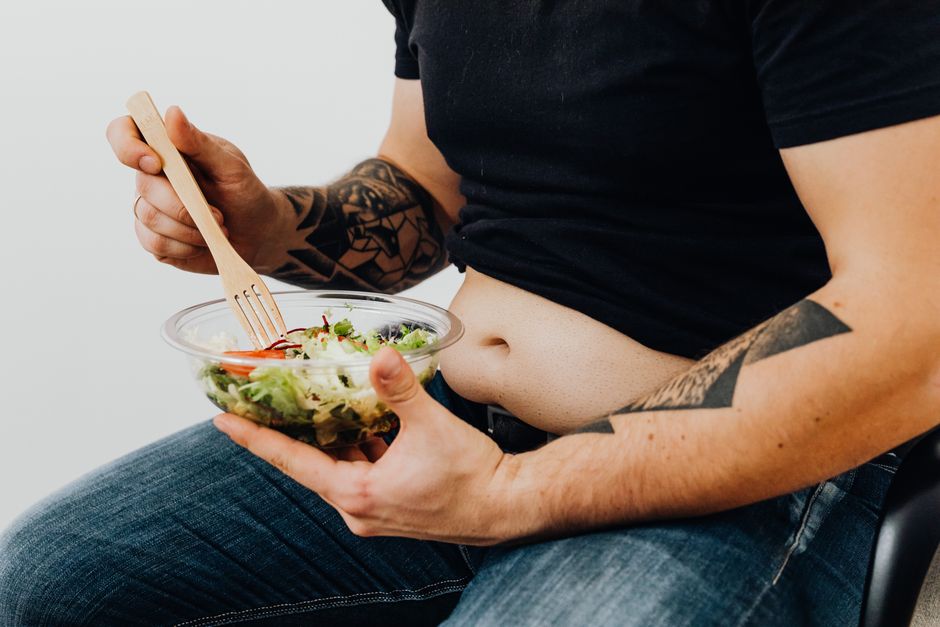
Losing belly fat after a C-section is a different process than losing it after a vaginal birth, and it takes more time than most women expect. The key is to start with gentle healing and walking, then gradually build up to core-strengthening exercises that target the deep abdominal muscles, all while managing nutrition and giving your body the full six to eight weeks of recovery it needs before any intense work begins.
Why Does Belly Fat Feel Different After a C-Section?
Your body just went through major surgery. A C-section involves cutting through skin, fat, and muscle tissue, and then stitching those layers back together. That area is healing for weeks. The swelling and numbness you feel are part of the repair process, not a sign that something is wrong.
Hormones also play a role. Your body holds onto extra fluid and fat during pregnancy to support the baby and prepare for breastfeeding. After delivery, estrogen and progesterone levels drop sharply. This shift can affect how your body stores fat, especially around the midsection.
There is also the reality of the scar itself. The tissue around a C-section scar can become tight and less flexible. This tightness can pull on your posture, making your stomach appear to stick out more than it actually does. Releasing that scar tissue through gentle massage and movement is often a missing piece in postpartum recovery.
When Can I Start Exercising After My C-Section?
The standard medical advice is to wait six to eight weeks before starting structured exercise. This is not a random number. It is the time your body needs for the uterine incision to heal and for your external wound to close securely. Starting too early increases the risk of infection, bleeding, and hernia.
But waiting does not mean doing nothing. Walking is safe and encouraged from the first days after surgery, as long as your doctor clears you. Short, slow walks around the house help prevent blood clots and get your bowels moving. By week two or three, many women can manage short outdoor walks. Listen to your body. If something pulls or hurts, stop and rest.
Before you start any exercise program, you need clearance from your obstetrician or midwife at your postpartum checkup. This is not a formality. Your provider will check your incision, your uterus, and your overall healing. Some women are cleared at six weeks. Others need more time. There is no prize for starting earlier.
What Exercises Are Safe for Post-C-Section Belly Fat?
Once you are cleared, the focus should not be on crunches or sit-ups. Those exercises can actually worsen a common postpartum condition called diastasis recti, where the abdominal muscles separate down the middle. Instead, start with exercises that engage your deep core muscles, specifically the transverse abdominis, which acts like a natural corset around your waist.
Safe first exercises include:
- Deep breathing with pelvic floor engagement — inhale to expand your ribs, exhale to draw your belly button toward your spine.
- Pelvic tilts — lying on your back with knees bent, gently flatten your lower back into the floor.
- Heel slides — lying on your back, slide one heel out and back in while keeping your core engaged.
- Bird dogs — on all fours, extend one arm and the opposite leg while keeping your hips level.
- Glute bridges — lying on your back, lift your hips while squeezing your glutes.
These exercises do not burn a significant number of calories. Their job is to rebuild the foundation of your core so that later, more demanding exercises are safe and effective. Skipping this step is how women end up with back pain or a belly that bulges despite being thin.
After several weeks of these foundational moves, you can progress to planks, squats, lunges, and full-body strength training. Cardiovascular exercise like brisk walking, cycling, or swimming can also be added. The goal is consistency over intensity.
Does Diastasis Recti Affect Belly Fat After C-Section?
Diastasis recti is the separation of the rectus abdominis muscles, the “six-pack” muscles, along the linea alba, the connective tissue running down your midline. This separation is normal during pregnancy to make room for the growing baby. For many women, it closes on its own within the first eight weeks after delivery.
For others, the gap remains. A persistent separation can make your belly look rounded or “pooched” even when you have lost the pregnancy weight. It is not fat, but it looks like it. Doing traditional crunches when you have diastasis recti can push the abdominal contents forward and widen the gap, making the bulge worse.
To check for diastasis recti, lie on your back with knees bent. Place your fingertips just above your belly button, pointing toward your pelvis. Lift your head slightly off the floor. If you feel a gap wider than two finger-widths, you may have diastasis recti. A physical therapist who specializes in postpartum recovery can give you a proper assessment and guide your exercise choices.
Some research suggests that C-section delivery may be associated with a higher risk of diastasis recti compared to vaginal delivery, though the evidence is mixed. The surgical incision itself does not cause the separation, but the recovery process can delay natural closure. Working with a pelvic floor physical therapist is one of the most effective steps you can take, and it is covered by many insurance plans with a doctor’s referral.
How Important Is Nutrition for Losing Belly Fat After C-Section?
Exercise builds muscle and burns calories, but nutrition is what drives fat loss. You cannot out-exercise a diet that is high in processed foods and added sugar. This is true for everyone, but especially for postpartum women whose bodies are recovering from surgery and possibly producing milk.
If you are breastfeeding, your body needs roughly 300 to 500 extra calories per day to maintain milk supply. Cutting calories too aggressively while nursing can reduce your milk production and leave you feeling exhausted. Your priority is nourishing yourself, not restricting.
Focus on:
- Protein at every meal — eggs, chicken, fish, beans, Greek yogurt. Protein supports tissue repair and keeps you full.
- Fiber-rich vegetables and fruits — they provide vitamins and help prevent constipation, which is common after C-section due to pain medications and reduced activity.
- Whole grains — oats, brown rice, quinoa for sustained energy.
- Plenty of water — hydration supports healing and helps regulate appetite.
- Healthy fats — avocados, nuts, olive oil for hormone balance.
Aim to eat when you are hungry and stop when you are satisfied. Hormonal changes and sleep deprivation can increase cravings for carbohydrates and sugar. This is a physiological response, not a character flaw. Planning balanced snacks ahead of time can help you avoid reaching for whatever is easiest when the baby is crying.
There is no specific “C-section diet” that targets belly fat. Any plan that creates a moderate calorie deficit while providing adequate nutrients will work. Crash diets are not appropriate after surgery. Your body needs fuel to heal the incision, produce milk if you are nursing, and care for a newborn.
Will Breastfeeding Help Me Lose Belly Fat?
Breastfeeding burns extra calories, usually around 300 to 500 per day. Many women do lose weight while nursing. Some women, however, hold onto fat stores while breastfeeding. This may be the body’s way of ensuring an energy reserve for milk production. It is frustrating, but it is normal.
Hormones also influence this. Prolactin, the hormone that stimulates milk production, can increase appetite and promote fat storage. Some women feel hungrier while nursing than they did during pregnancy. If you are eating more calories than you burn, you will not lose weight regardless of breastfeeding.
The evidence on whether breastfeeding accelerates postpartum weight loss is mixed. Some studies show a modest effect. Others show no significant difference between nursing and formula-feeding mothers by the one-year mark. The most important factor is overall diet and activity level, not feeding method.
If you are breastfeeding and want to lose weight, do not drop below about 1,800 calories per day without consulting your doctor. Gradual weight loss of about one pound per week is considered safe and should not affect milk supply. Rapid weight loss can release stored toxins into your bloodstream, which can pass into breast milk.
How Long Will It Take to See Results?
Realistic expectations matter here. Many women expect to look like they did before pregnancy within a few months. That is rarely how it works, especially after a C-section. The swelling from surgery can take up to twelve weeks to fully resolve. The scar tissue continues to remodel for months.
A reasonable timeline looks like this:
- Weeks 0 to 6 — focus on healing, walking, and scar care. No structured exercise.
- Weeks 6 to 12 — begin gentle core work and low-impact cardio. Swelling decreases noticeably.
- Months 3 to 6 — progress to full strength training and more intense cardio. Visible changes in body composition start to appear.
- Months 6 to 12 — most women see their most significant changes during this period as hormones stabilize and exercise habits become routine.
Some women return to their pre-pregnancy weight by six months. Others take eighteen months or longer. Both are normal. Your body created and delivered a human being. Give it the same patience you would give a friend recovering from major surgery.
If you are not seeing changes after several months of consistent exercise and balanced eating, talk to your doctor. Thyroid disorders and other hormonal conditions can develop after pregnancy and may interfere with weight loss. A simple blood test can rule these out.
What Role Does Sleep Play in Post-C-Section Belly Fat?
Sleep deprivation is nearly universal with a newborn, but it directly works against your weight loss efforts. Poor sleep increases cortisol, a stress hormone that promotes fat storage in the abdominal area. It also increases ghrelin, the hunger hormone, and decreases leptin, the hormone that signals fullness. The result is stronger cravings and a slower metabolism.
You cannot control how often your baby wakes at night. You can control how you respond to sleep loss. Prioritize rest whenever possible. Nap when the baby naps, even if the laundry is piling up. Accept help from your partner, family, or friends so you can get a few uninterrupted hours of sleep.
Research consistently shows that adults who sleep fewer than seven hours per night tend to have more abdominal fat than those who sleep longer. This relationship holds regardless of diet and exercise. Sleep is not a luxury during the postpartum period. It is a biological necessity for healing and weight management.
Should I Use a Postpartum Belly Wrap or Binder?
Many hospitals provide a postpartum binder after a C-section. These wraps provide gentle compression that can reduce pain and make movement feel more supported in the early days. Some women find them helpful for feeling secure when coughing or laughing after surgery.
There is limited clinical evidence that belly wraps permanently reduce belly fat or strengthen your core. They do not. What they can do is provide temporary support and improve posture, which may make your stomach look flatter while you wear them. Some physical therapists recommend them for the first few weeks to help with scar healing.
Do not rely on a binder as a substitute for exercise or expect it to “train” your muscles. Your abdominals need active engagement to regain strength. A binder is a comfort tool, not a treatment. If you use one, follow your doctor’s advice on how long to wear it and take it off regularly to check your incision.
Frequently Asked Questions
How soon after a C-section can I start doing ab exercises?
Wait until your doctor clears you at your six to eight week postpartum checkup. Start with gentle deep core exercises, not crunches, and stop if you feel pain or pulling at your incision.
Can I lose belly fat while breastfeeding?
Yes, but do not cut calories too low. Aim for gradual weight loss of about one pound per week and eat at least 1,800 calories daily to protect your milk supply.
Will my C-section pouch ever go away?
For most women, the pouch significantly improves by six to twelve months postpartum with consistent exercise and balanced nutrition. Scar tissue and diastasis recti can keep it visible longer, and a physical therapist can help address those factors.
Is it safe to do planks after a C-section?
Planks can be safe once your core has been rebuilt with foundational exercises and your doctor has cleared you, usually around three months postpartum. Stop if you feel pressure or bulging in your midline, as this may indicate diastasis recti.
