
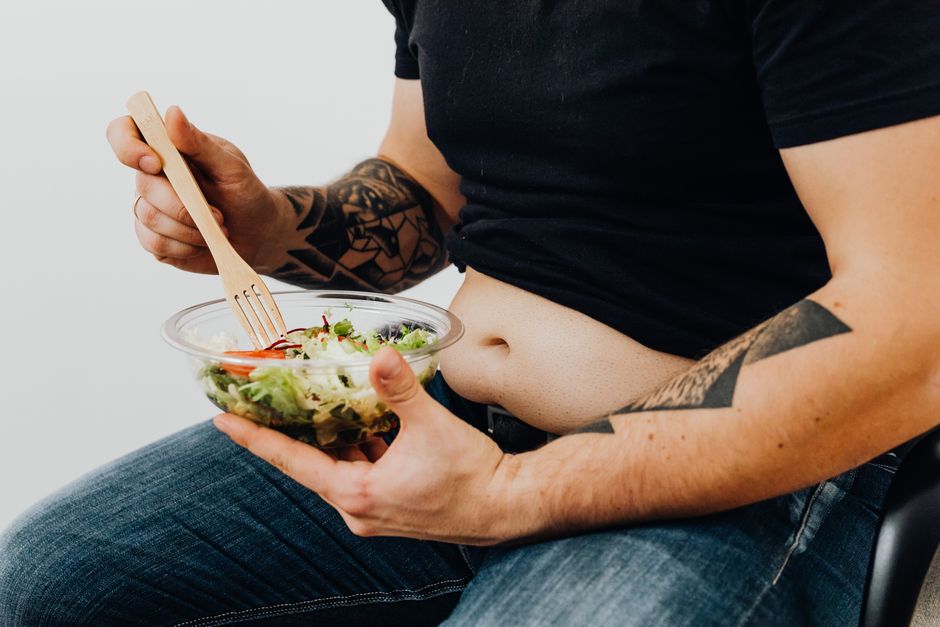
Losing belly fat after a C-section takes time because your body needs to heal first. The best approach combines gentle core exercises, proper nutrition, and patience — starting only after your doctor clears you for activity. Rushing into hard workouts or crash diets can slow healing and make belly fat harder to lose in the long run.
Why Does Belly Fat Stick Around After a C-Section?
Pregnancy stretches your abdominal muscles and skin. A C-section cuts through muscle tissue and nerves. Your body responds by storing extra fat around the midsection as protection.
This is not just stubborn fat. It is also inflammation and swelling from surgery. Many women mistake this for fat when it is partly fluid retention and healing tissue.
Research published in the journal Obstetrics & Gynecology found that abdominal muscle separation — called diastasis recti — affects about 60% of women after pregnancy. This separation makes your belly look rounder even without excess fat.
Healing the muscle separation must come before targeting fat loss. If you work on fat loss first without fixing the muscle gap, you risk making the separation worse.
When Can You Start Exercising After a C-Section?
Most doctors recommend waiting 6 to 8 weeks before any exercise beyond gentle walking. This is not a suggestion. It is a medical guideline from the American College of Obstetricians and Gynecologists.
Walking is safe as soon as you feel ready — usually a few days after surgery. Start with 5 to 10 minutes. Increase slowly.
Do not attempt crunches, planks, sit-ups, or heavy lifting until your incision has fully healed and your doctor says it is okay. These moves put pressure on the abdominal wall and can reopen the muscle separation.
A 2019 study in Physical Therapy found that women who started core exercises too early after C-section had higher rates of pelvic floor dysfunction and chronic back pain. The scar tissue needs time to form properly.
Signs you are not ready include sharp pain at the incision site, bleeding, or a pulling sensation when you move. Stop and check with your doctor if any of these happen.
What Core Exercises Actually Help Lose Belly Fat After C-Section?
The exercises that work best are not the ones that burn the most calories. They are the ones that rebuild your deep core muscles first.
Start with diaphragmatic breathing. Lie on your back with knees bent. Place hands on your belly. Breathe in deeply through your nose, letting your belly rise. Breathe out slowly and pull your belly button toward your spine. Do this for 5 minutes daily.
Once that feels easy, add pelvic tilts. Lie on your back with knees bent. Gently tilt your pelvis upward, flattening your lower back against the floor. Hold for 5 seconds. Repeat 10 times.
After 8 to 10 weeks postpartum, you can progress to heel slides, leg lifts with bent knees, and modified bird-dog exercises. These strengthen the transverse abdominis — the deep muscle layer that acts like a natural corset around your midsection.
A small study in Journal of Women’s Health Physical Therapy found that women who did these specific exercises for 12 weeks reduced their waist circumference by an average of 2.3 inches. The control group doing general abdominal crunches saw no change.
Avoid any exercise that makes your belly bulge outward like a dome. That is a sign of diastasis recti and means the exercise is too advanced for your current healing stage.



Does Diet Matter More Than Exercise for Belly Fat After C-Section?
Yes, diet plays a bigger role than exercise for losing belly fat after any kind of delivery. You cannot out-exercise a poor diet, especially when your body is recovering from major surgery.
Focus on protein at every meal. Protein helps repair the incision site and rebuilds muscle tissue. Aim for 20 to 30 grams per meal. Good sources include eggs, chicken, fish, Greek yogurt, lentils, and tofu.
Fiber is equally important. A high-fiber diet reduces overall body fat including visceral belly fat. The USDA recommends 25 to 30 grams of fiber daily for women. Most women get half that amount.
Avoid crash dieting. Your body needs extra calories to heal and produce breast milk if you are nursing. Dropping below 1500 calories per day can slow your metabolism and increase cortisol — a stress hormone that specifically stores fat in the belly.
A 2020 study in Nutrients followed 300 postpartum women for one year. Those who ate a balanced diet with adequate protein and fiber lost more belly fat than those who restricted calories heavily. The calorie restrictors lost weight initially but gained it back faster, especially around the midsection.
What Role Does Sleep and Stress Play in Belly Fat After C-Section?
Sleep deprivation and high stress directly increase belly fat storage. This is not a theory. It is a well-documented physiological response.
When you do not sleep enough, your body produces more cortisol. Cortisol signals your body to store fat in the abdominal area. A study from Sleep journal found that women sleeping less than 6 hours per night had 2.5 times more visceral belly fat than women sleeping 7 hours or more.
New mothers rarely get enough sleep. That is the reality. But small improvements help. Nap when the baby naps. Go to bed 30 minutes earlier. Ask your partner to handle one night feeding if possible.
Stress also raises cortisol. Postpartum anxiety affects about 1 in 5 women according to the CDC. Managing stress is not optional for belly fat loss — it is essential.
Gentle activities like walking outdoors, deep breathing, or listening to calming music for 10 minutes daily can lower cortisol levels. A 2018 study in Psychoneuroendocrinology showed that 20 minutes of mindfulness practice reduced cortisol by 15% in postpartum women.
What About Belly Wraps, Creams, and Other Quick Fixes?
Belly wraps and compression garments can make your belly look flatter temporarily under clothes. They do not reduce fat or tighten loose skin permanently.
Some women find wraps helpful for supporting the incision area during the first few weeks. That is fine. But do not expect them to melt belly fat. No credible study supports that claim.
Creams and lotions marketed for belly fat reduction are not effective. The FDA does not regulate them as drugs. Most contain caffeine or other ingredients that may temporarily tighten skin but do not reduce fat cells.
As of 2026, there is no clinical evidence that any topical cream reduces abdominal fat after C-section. Save your money.
Surgical options like tummy tucks are available but come with risks and significant recovery time. Most plastic surgeons recommend waiting at least 6 to 12 months after C-section before considering any cosmetic procedure.
Common Misconceptions About Belly Fat After C-Section
One common myth is that breastfeeding automatically burns belly fat. Breastfeeding does burn about 300 to 500 calories daily. But it also increases appetite and changes how your body stores fat. Some women lose weight while breastfeeding. Others hold onto belly fat. Both are normal.
Another myth is that spot reduction works. You cannot target belly fat specifically. When you lose fat, your body decides where to take it from. Genetics, hormones, and sleep patterns determine the order — not crunches.
Some people claim that drinking lemon water or apple cider vinegar melts belly fat. These claims are not supported by research. Staying hydrated helps overall metabolism but no single drink targets abdominal fat.
The truth is that losing belly fat after C-section takes 9 to 12 months for most women. Some see results in 6 months. Others take 18 months. Your timeline depends on your age, genetics, healing speed, and consistency with diet and exercise.
How to Track Progress Without Getting Discouraged
The scale is not the best measure after a C-section. Your body composition changes as swelling goes down and muscle rebuilds. The number on the scale may stay the same while your belly gets smaller.
Better ways to track progress include measuring your waist circumference with a tape measure once every two weeks. Place the tape around your belly at the level of your belly button. A decrease of 1 inch over a month is realistic and healthy.
Take progress photos in the same lighting and same clothes every two weeks. Photos often show changes the scale misses.
Pay attention to how your clothes fit. When your pre-pregnancy jeans start feeling looser around the waist, that is real progress.
Your energy levels and strength also matter. If you can walk longer, lift your baby easier, or hold a plank longer than last month, you are getting fitter even if belly fat is slow to change.
Frequently Asked Questions
How long does it take to lose belly fat after C-section?
Most women see noticeable changes between 6 and 12 months postpartum with consistent diet and exercise. Some women take up to 18 months depending on genetics and healing speed.
Can I do crunches after C-section to lose belly fat?
Crunches are not recommended until your abdominal muscles have fully healed and any diastasis recti has closed. Doing crunches too early can worsen muscle separation.
Does wearing a belly wrap help lose belly fat after C-section?
Belly wraps provide temporary support and can make your belly look flatter under clothes but they do not reduce fat. No evidence shows they help with long-term fat loss.
When is it safe to start running after a C-section?
Most doctors recommend waiting 12 to 16 weeks before running. Start with walking and only progress to jogging when you feel no pain or pulling at the incision site.
