
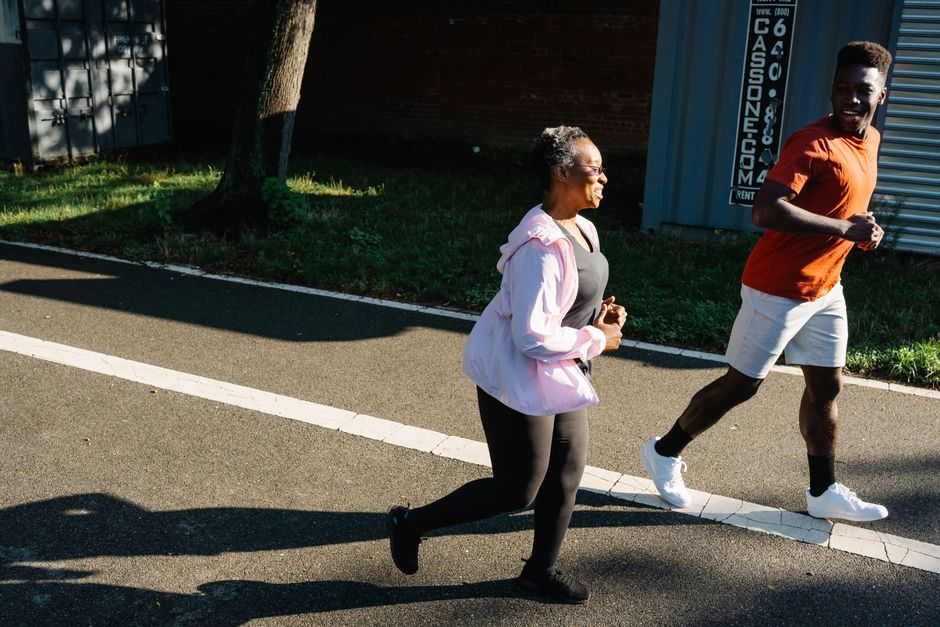
Yes, running can help you lose belly fat, but not because it targets your stomach directly. Running burns calories, and when you burn more calories than you take in, your body draws on stored fat for energy. That fat comes from all over your body, and for most people, the belly is one of the last places it leaves. The real question is not whether running works, but how you need to run, how often, and what else has to change for you to see results in that specific area.
Does Running Actually Target Belly Fat?
No exercise can burn fat from one specific spot. The idea of “spot reduction” has been studied for decades, and the evidence is clear: when you do crunches, planks, or any abdominal exercise, you strengthen the muscle underneath, but you do not force the fat above it to disappear. Fat loss is systemic. Your body decides where it mobilizes fat from based on genetics, hormones, and circulation patterns, not based on which muscles you just worked.
Running is a full-body exercise. It uses your legs, core, and arms, and it demands a significant amount of energy. Because it burns a high number of calories per minute compared to many other activities, it creates the calorie deficit needed for overall fat loss. As your total body fat percentage drops, your belly fat will eventually shrink too. For some people that happens early in the process. For others, the belly is stubborn and responds last. Both are normal.
How Running Burns Belly Fat: The Mechanism
Belly fat is not all the same. You have subcutaneous fat, which sits just under the skin and is the fat you can pinch. You also have visceral fat, which wraps around your organs deep inside your abdomen. Visceral fat is the more concerning type because it is linked to higher risks of heart disease, type 2 diabetes, and inflammation.
Running affects both types, but it has a particularly strong effect on visceral fat. Research consistently shows that aerobic exercise like running reduces visceral fat even when total body weight changes are modest. The mechanism involves your body’s hormonal response to sustained exercise. When you run, your body releases catecholamines, hormones that signal fat cells to release stored fatty acids into the bloodstream to be used as fuel. Visceral fat cells are more sensitive to this signal than subcutaneous fat cells, which is one reason why runners often see their waistlines shrink before other areas change.
Another factor is calorie burn. A 150-pound person running at a moderate pace burns roughly 300 calories in 30 minutes. Over a week, that adds up. A consistent deficit of about 500 calories per day leads to about one pound of fat loss per week. Running helps you create that deficit, but it does not work alone if your diet is working against you.
How Long Until You See Results?
Results depend on frequency, intensity, and diet. For most people, noticeable changes in waist measurement appear after 8 to 12 weeks of consistent running combined with a controlled diet. That timeline is not a guarantee, but it is a realistic expectation based on how fat loss typically progresses.
If you run three to four times per week for at least 30 minutes each session, you are in a reasonable range for seeing changes. If you run less often, your results will be slower. If you run more often or add intensity, you may see changes sooner, but only if your calorie intake supports the deficit. Running five miles and then eating back all those calories in one meal will not produce fat loss.
One thing many people do not realize is that the scale can be misleading. Muscle is denser than fat. If you are new to running, you may gain some muscle in your legs and core while losing fat. The scale might stay the same for weeks while your waistline shrinks. Measuring your waist with a tape measure once a week is a better way to track belly fat changes than stepping on a scale.





Steady Runs vs. Intervals: Which Is Better?
Both steady-state running and interval training can help you lose belly fat. They work through slightly different pathways, and the best choice depends on your fitness level and preferences.
Steady-state running means maintaining a comfortable pace for a sustained period, usually 30 to 60 minutes. This builds your aerobic base, improves your body’s ability to use fat as fuel, and burns a predictable number of calories. It is easier to recover from, which means you can do it more often.
Interval training involves alternating between hard efforts and recovery periods. For example, you might sprint for 30 seconds, then jog for 60 seconds, and repeat that cycle for 15 to 20 minutes. Interval training burns more calories per minute than steady running, and some studies suggest it has a stronger effect on reducing visceral fat specifically. It also triggers a higher afterburn effect, meaning your body continues burning extra calories for hours after you finish.
The evidence does not clearly crown one method as the winner. What matters more is consistency. The best approach is to do steady runs most of the time and add one interval session per week if your body tolerates it.
Why Diet Matters More Than You Think
Running can help you lose belly fat, but it cannot outrun a poor diet. Fat loss requires a calorie deficit, and it is far easier to eat 500 calories than it is to run them off. A single donut can erase the calorie burn from a 30-minute run. This is not a judgment, it is arithmetic.
Protein intake also matters. When you are in a calorie deficit, your body can break down muscle tissue for energy. Running does not build large amounts of muscle, but it does preserve what you have if you eat enough protein. Aim for a moderate protein intake at each meal, such as eggs at breakfast, chicken or beans at lunch, and fish or tofu at dinner. This helps you lose fat while keeping the muscle that gives your body shape and strength.
Refined carbohydrates and added sugars are the main dietary culprits when it comes to stubborn belly fat. These foods spike blood sugar and insulin, and high insulin levels tell your body to store fat rather than release it. Replacing sugary drinks, white bread, and processed snacks with whole foods like vegetables, whole grains, and lean proteins supports the fat-burning environment that running creates.
The Role of Stress and Sleep in Belly Fat
Running affects more than calories. It also influences your stress hormones, and those hormones directly affect belly fat accumulation. Cortisol, the primary stress hormone, promotes fat storage in the abdominal area when levels stay chronically elevated. This is a well-established physiological response. When your body perceives ongoing stress, it stores energy centrally as a protective mechanism.
Regular running can lower baseline cortisol levels over time, which helps counteract this effect. But intense running can do the opposite if you overdo it. Overtraining raises cortisol, and if you are also sleep-deprived, your body stays in a stressed state that makes belly fat harder to lose.
Sleep is the overlooked piece. Studies have found that people who sleep fewer than six hours per night have higher levels of the hunger hormone ghrelin and lower levels of the fullness hormone leptin. They also tend to crave high-calorie foods. Running improves sleep quality for most people, but only if you give yourself enough time in bed. Seven to nine hours per night is the range most adults need.
What Running Cannot Do
Running cannot give you a flat stomach if your diet is not in a calorie deficit. It cannot erase the effects of chronic stress or poor sleep. It cannot spot-reduce the fat around your waist no matter how many miles you log. And it will not work if you do it for two weeks and quit.
It also will not help if you have an underlying medical condition affecting your weight. Thyroid disorders, insulin resistance, and certain medications can make fat loss much harder. If you have been running consistently for several months with no change in your waistline, it is worth discussing with a doctor rather than pushing harder on your own.
Running help to lose belly fat: A Realistic Plan
A realistic plan looks like this. Run three to four times per week. Make most of those runs steady and comfortable, about 30 to 45 minutes. Add one interval session if you feel good. Track your waist measurement every two weeks rather than weighing yourself daily. Eat in a modest calorie deficit, prioritizing protein and vegetables. Sleep at least seven hours per night. Give it three months before judging the results.
This is not a quick fix. It is a sustainable approach that works because it addresses the multiple factors that contribute to belly fat: calorie balance, hormone regulation, stress, and sleep. Running is the anchor of the plan, but it works best as part of a broader pattern of healthy habits.
If you are consistent, you will likely notice your clothes fitting differently before the scale changes. That is a good sign. It means the visceral fat around your organs is shrinking, even if the subcutaneous layer is taking longer to follow.
Frequently Asked Questions
How often should I run to lose belly fat?
Running three to four times per week for 30 to 45 minutes per session is a reasonable target. Consistency over several months matters more than any single workout.
Is running or walking better for belly fat?
Running burns more calories per minute than walking, so it produces faster results for most people. Walking is still effective if you do enough of it and maintain a calorie deficit.
Can I lose belly fat by running without changing my diet?
You can lose some fat if running creates a calorie deficit on its own, but most people eat back what they burn. Diet changes are usually necessary for noticeable belly fat loss.
How long does it take to see belly fat loss from running?
Most people see measurable waist changes after 8 to 12 weeks of consistent running and dietary control. Individual results vary based on starting weight, genetics, and adherence.
