
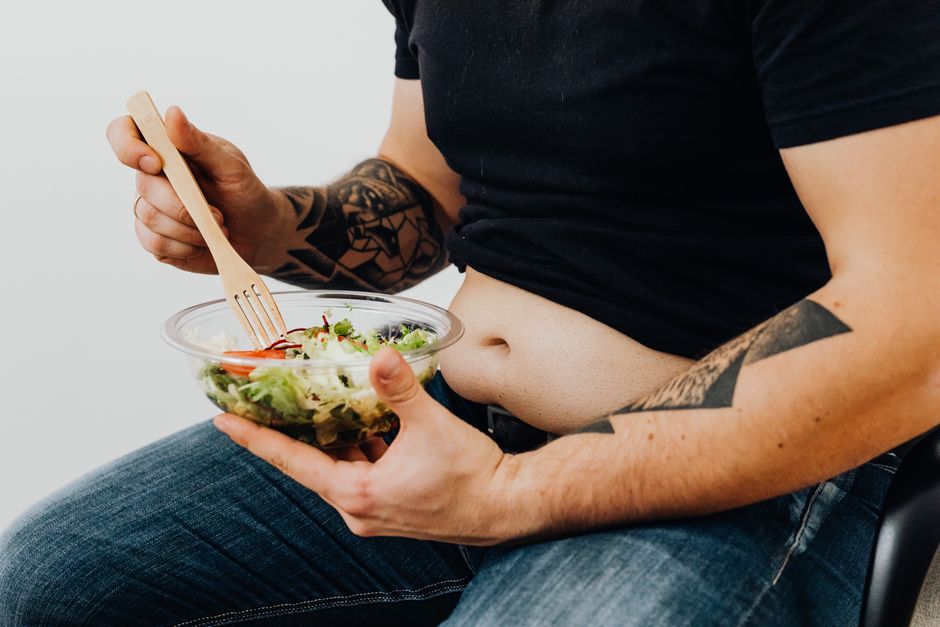
Nighttime eating gets blamed for a lot of weight gain. The truth is simpler than most diet advice suggests. What you eat in the evening matters less than how much you eat all day. But some foods genuinely work better for late-night hunger. They keep you full, support digestion, and help you sleep. And sleep quality directly affects the hormones that control belly fat storage. So the real answer is not about avoiding food after 6 p.m. It is about choosing foods that do not spike your blood sugar, do not disrupt sleep, and keep you satisfied with fewer calories.
Does Eating at Night Actually Cause Belly Fat?
Eating late does not automatically turn into belly fat. Weight gain happens when you eat more calories than your body burns over time. The clock itself is not the enemy. However, late-night eating often involves high-calorie, low-nutrient foods like chips, ice cream, or leftover takeout. Those choices add calories quickly and do not fill you up for long.
There is also a timing effect on digestion. Your metabolism slows slightly at night, but not enough to change the outcome of a healthy meal. What matters more is the total calorie balance for the day. A small, balanced snack at 9 p.m. will not undo a healthy day of eating. A 1,000-calorie binge will — regardless of when it happens.
Some research suggests that eating close to bedtime can affect sleep quality. Poor sleep raises ghrelin, the hunger hormone, and lowers leptin, the fullness hormone. That combination makes you hungrier the next day and more likely to crave high-calorie foods. So the real risk of late-night eating is not the food itself. It is the pattern of poor sleep and extra calories that often follows.
What to Eat at Night to Lose Belly Fat
The best nighttime foods are high in protein, fiber, or healthy fats. These nutrients slow digestion and keep blood sugar steady through the night. Steady blood sugar means fewer cravings tomorrow morning. It also means your body can rely on stored fat for energy instead of spiking insulin.
Good options include plain Greek yogurt with a few berries. The protein keeps you full, and the berries add fiber with minimal sugar. A small handful of almonds or walnuts works too. Nuts contain healthy fats and magnesium, which some studies link to better sleep quality.
Cottage cheese is another strong choice. It is high in casein protein, which digests slowly and provides a steady release of amino acids overnight. Pair it with a few slices of cucumber or a small piece of whole-grain toast for fiber.
If you prefer something warm, a bowl of oatmeal made with water or milk works well. Oats contain complex carbohydrates that digest slowly. Add a spoon of peanut butter for protein and healthy fat. Avoid instant oatmeal packets with added sugar — they spike blood sugar and defeat the purpose.
Hard-boiled eggs, a small turkey roll-up, or a slice of whole-grain bread with avocado are all reasonable options. The key is portion control. Keep the snack between 150 and 250 calories. That is enough to satisfy hunger without loading your system with excess energy right before bed.
Foods to Avoid Before Bed
Sugary foods are the worst choice at night. Ice cream, cookies, candy, and sweetened drinks cause a rapid rise in blood sugar. Your body releases insulin to bring it down, and that insulin spike promotes fat storage. It also sets you up for a blood sugar crash in the middle of the night, which can wake you up and disrupt sleep.
Fried foods and heavy meals are also problematic. They take longer to digest and can cause acid reflux when you lie down. Reflux disturbs sleep, and poor sleep makes weight loss harder. Spicy foods can do the same thing for some people.
Caffeine is an obvious one, but it hides in unexpected places. Chocolate, certain teas, and even some flavored waters contain caffeine. If you are sensitive to it, avoid these after mid-afternoon. Alcohol is another trap. It may help you fall asleep, but it fragments sleep later in the night. That disruption affects the same hunger hormones mentioned earlier.
Large portions of any food before bed are a problem. Your body is preparing for rest, not for a workout. A heavy meal forces your digestive system to work overnight, which can reduce sleep quality. Keep evening meals moderate and save any snack for about an hour before bed.





How Protein and Fiber Help You Lose Belly Fat
Belly fat responds to the same rules as fat anywhere else: calorie deficit over time. But protein and fiber make that deficit easier to maintain. Protein is the most filling macronutrient. It reduces hunger hormones and increases fullness hormones after a meal. That means you naturally eat less later.
Fiber adds bulk without calories. It slows the emptying of your stomach and keeps you feeling full for hours. High-fiber foods also feed the beneficial bacteria in your gut. Some research suggests that a healthy gut microbiome is associated with less abdominal fat, though the exact mechanism is still being studied.
Combining protein and fiber at night works especially well. Greek yogurt with chia seeds, cottage cheese with sliced apple, or a small turkey sandwich on whole-grain bread all deliver both. This combination stabilizes blood sugar overnight and reduces the chance you will wake up hungry.
There is no specific food that targets belly fat directly. Spot reduction is a myth. But choosing foods that keep you full and satisfied makes it easier to stay in a calorie deficit, and that is what actually reduces belly fat over time.
Does Meal Timing Matter for Weight Loss?
Meal timing research has produced mixed results. Some studies suggest that eating earlier in the day supports better blood sugar control. Others find no significant difference when total calories are matched. The evidence is not strong enough to say that eating at night directly causes weight gain.
What the research does support is consistency. People who eat at regular times tend to have better appetite control. They also tend to make more thoughtful food choices. Skipping meals all day and then eating a large dinner is a common pattern, but it often leads to overeating because hunger has built up too high.
A better approach is to eat balanced meals during the day and allow yourself a reasonable snack at night if you are genuinely hungry. If you are not hungry, there is no need to eat. Listening to actual hunger signals beats following a strict clock.
One important note: if you have diabetes, prediabetes, or blood sugar issues, talk to your doctor about nighttime eating. Some medications and insulin regimens require specific meal timing. General advice about late-night snacks does not replace individualized medical guidance.
Simple Nighttime Snack Ideas
Here are practical options that fit the protein-and-fiber pattern. Each stays around 200 calories and takes less than five minutes to prepare.
- Plain Greek yogurt with a handful of blueberries
- Cottage cheese with sliced cucumber and black pepper
- One hard-boiled egg with a small piece of whole-grain toast
- Small bowl of oatmeal with a spoon of peanut butter
- A few almonds and a small apple
- Turkey roll-up with lettuce and mustard on a whole-grain tortilla
- Hummus with carrot and celery sticks
These snacks are not magic. They work because they are filling, moderate in calories, and unlikely to disrupt sleep. Consistency matters more than perfection. If you choose one of these most nights, you will see better results than an occasional perfect meal followed by several poor ones.
Hydration and Its Role in Nighttime Hunger
Thirst is often mistaken for hunger. Many people eat a snack when they actually need water. Before reaching for food at night, drink a glass of water and wait ten minutes. If the hunger disappears, it was thirst.
Staying hydrated during the day also helps. Mild dehydration can cause fatigue, which makes you more likely to reach for quick energy in the evening. Water has zero calories and supports digestion and metabolism. Herbal teas like chamomile or peppermint are another good option, as long as they are caffeine-free.
Just avoid drinking large amounts of water right before bed. Waking up to use the bathroom interrupts sleep, and broken sleep makes weight loss harder. Stop drinking fluids about an hour before you plan to sleep.
Frequently Asked Questions
What is the best thing to eat late at night to lose belly fat?
Greek yogurt or cottage cheese are the best choices because they are high in protein and low in sugar. Add a small serving of fruit or vegetables for fiber to keep you full without excess calories.
Does eating after 8 p.m. make you gain weight?
Eating after 8 p.m. does not directly cause weight gain. Total calories eaten over the day determine weight change, not the clock time of your last meal.
Can eating before bed speed up your metabolism?
No food speeds up metabolism enough to matter for weight loss. Protein-rich snacks may slightly increase the calories burned during digestion, but the effect is too small to rely on.
Is it better to skip dinner to lose belly fat?
Skipping dinner often backfires because it leads to overeating later or the next morning. A balanced, moderate dinner supports better appetite control than skipping meals.
