
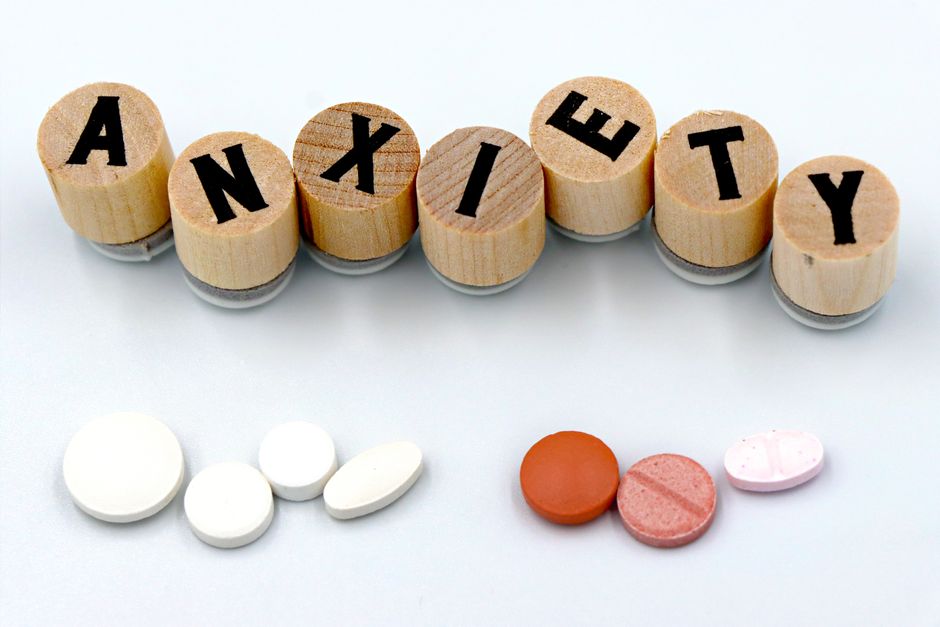
Anxiety feels like your brain is running a marathon while your body is stuck in a fight-or-flight mode that won’t switch off. It is a constant state of alert, where your mind races with worst-case scenarios and your body responds with a pounding heart, shallow breathing, and tense muscles. This is not just being nervous before a big event — it is a real condition that affects both your thoughts and your physical health in ways that can be exhausting and overwhelming.
What Does Anxiety Actually Feel Like in the Mind?
The mental experience of anxiety is often described as a loop of worry that you cannot break free from. Your brain keeps scanning for threats, even when you are safe at home or sitting at your desk. This is called hypervigilance, and it is one of the most common mental symptoms.
Research from the National Institute of Mental Health shows that people with anxiety disorders often have trouble concentrating because their attention is split between the present moment and imagined future dangers. You might find yourself rereading the same paragraph three times or forgetting what someone just said to you.
Another common mental symptom is catastrophizing. This is when your mind automatically jumps to the worst possible outcome. A small mistake at work becomes a fear of being fired. A headache becomes a fear of a serious illness. Your brain is not choosing to do this — it is stuck in a pattern that feels automatic and uncontrollable.
Some people also experience derealization or depersonalization. The world around you might feel unreal, like you are watching a movie of your own life. This can be frightening, but it is actually your brain’s way of trying to protect you from overwhelming stress. It is a real symptom that affects about one in four people with anxiety disorders.
How Does Anxiety Show Up in the Body?
Anxiety is not just in your head. Your body reacts as if it is in real danger, even when there is no physical threat. This is your autonomic nervous system doing its job, but it is working overtime.
Common physical symptoms include a racing heart, chest tightness, shortness of breath, sweating, trembling, and digestive problems. The American Psychological Association notes that chronic anxiety can also cause muscle tension, headaches, and fatigue. Your body is burning energy preparing for a fight that never happens.
Gastrointestinal issues are very common. Many people with anxiety experience nausea, diarrhea, or stomach pain. This is because your gut and brain are connected through the vagus nerve. When your brain signals stress, your gut responds. Some studies suggest that up to 40 percent of people with anxiety also have irritable bowel syndrome.
Sleep problems are another major physical effect. Your body’s stress hormone cortisol stays elevated, making it hard to fall asleep or stay asleep. You might wake up at 3 AM with your heart pounding and your mind already racing. This lack of quality sleep then makes your anxiety worse the next day, creating a vicious cycle.
What Is It Like to Have Anxiety Mind and Body Together?
When anxiety affects both your mind and body at the same time, it can feel like a total system overload. Your thoughts are spinning, your chest is tight, and your hands are shaking. You might feel like you are losing control or even dying, even though you are not in any real danger.
This combined experience is what makes anxiety so exhausting. Your mind is telling you something is wrong, and your body is confirming that message with physical symptoms. It is hard to tell yourself to calm down when your body is screaming that you are in danger. Many people describe it as feeling trapped in their own body.
Panic attacks are an extreme example of this mind-body connection. During a panic attack, your heart races, you struggle to breathe, and you may feel dizzy or nauseous. Your mind is flooded with fear and a sense of doom. Panic attacks usually peak within 10 minutes, but they can feel like they last much longer. The CDC reports that about 2 to 3 percent of US adults experience panic disorder in a given year.
It is important to understand that these symptoms are real. They are not a sign of weakness or something you can just “snap out of.” Anxiety is a medical condition that involves both your brain chemistry and your body’s stress response system.





What Causes Anxiety to Affect Both Mind and Body?
Anxiety disorders have multiple causes, and they vary from person to person. Genetics play a role. If a close family member has anxiety, your risk is higher. Research published in JAMA Psychiatry has found that certain genes affect how your brain processes fear and stress.
Brain chemistry is also involved. Your brain uses chemicals called neurotransmitters to send signals between nerve cells. Serotonin, dopamine, and norepinephrine all play a role in mood and anxiety. When these chemicals are out of balance, your brain may overreact to stress.
Life experiences are another major factor. Trauma, chronic stress, or major life changes can trigger an anxiety disorder. This includes things like childhood abuse, a serious accident, or prolonged work stress. Your brain learns to be on high alert because it has learned that danger is real.
Your body’s stress response system, called the HPA axis, can also become dysregulated. This is the system that releases cortisol and other stress hormones. When it stays activated for too long, your body stays in a state of high alert. This is why anxiety often comes with physical symptoms like high blood pressure and a weakened immune system.
Some people report that caffeine or lack of sleep can trigger their anxiety symptoms. While these are not causes of an anxiety disorder, they can make existing symptoms worse. The evidence for this is strong — caffeine stimulates your nervous system, which can mimic or worsen anxiety.
What Actually Helps with Anxiety in Both Mind and Body?
Treatment for anxiety usually involves a combination of approaches that address both mental and physical symptoms. Cognitive behavioral therapy (CBT) is one of the most well-researched and effective treatments. The American Psychological Association strongly recommends CBT for anxiety disorders. It helps you identify and change the thought patterns that keep your anxiety going.
Medication can also help. Selective serotonin reuptake inhibitors (SSRIs) are commonly prescribed for anxiety. They work by increasing serotonin levels in your brain, which can help regulate mood and reduce anxiety. These are not quick fixes — they usually take several weeks to start working. Always talk to a doctor or psychiatrist before starting any medication.
Lifestyle changes can make a real difference. Regular exercise is one of the most effective things you can do for both mind and body. Exercise lowers cortisol levels and releases endorphins, which are natural mood boosters. Even a 20-minute walk can help reduce anxiety symptoms in the short term.
Breathing exercises and mindfulness can help calm your body’s stress response. A simple technique is slow, deep breathing — inhale for four seconds, hold for four seconds, exhale for four seconds. This activates your parasympathetic nervous system, which helps your body relax. Evidence indicates that regular mindfulness practice can reduce anxiety symptoms over time.
Limiting caffeine and alcohol can also help. Caffeine can trigger or worsen anxiety symptoms in some people. Alcohol may feel calming at first, but it can disrupt sleep and increase anxiety as it wears off. The National Institute on Alcohol Abuse and Alcoholism notes that alcohol can worsen anxiety over time.
What Avoids Making Anxiety Worse?
There are some things that people commonly try that can actually make anxiety worse. Avoiding the things that make you anxious is one of the biggest traps. When you avoid a situation because it scares you, your brain learns that the situation is dangerous. This reinforces your anxiety and makes it stronger over time. This is called avoidance behavior, and it is a key part of how anxiety disorders persist.
Another mistake is relying on alcohol or drugs to cope. This is widely claimed though strong evidence is limited for some substances, but what is clear is that alcohol and marijuana can actually increase anxiety in the long run. They may provide temporary relief, but they interfere with your brain’s natural ability to regulate stress.
Pushing yourself too hard without rest is also counterproductive. Anxiety already exhausts your body and mind. Trying to power through without sleep or breaks can lead to burnout. Your body needs recovery time to heal from the constant stress response.
Comparing your experience to others is another trap. Some people report that reading about others’ severe anxiety makes them feel like their own struggles are not valid. The truth is that anxiety exists on a spectrum. Your experience is real and deserves attention, no matter how it compares to someone else’s.
Common Misconceptions About Anxiety
One of the biggest misconceptions is that anxiety is just being overly dramatic or seeking attention. This is false. Anxiety disorders are real medical conditions with measurable changes in brain activity. Brain scans have shown that people with anxiety have overactive amygdala, the part of the brain that processes fear.
Another misconception is that medication will change your personality. SSRIs and other anxiety medications do not change who you are. They help balance your brain chemistry so you can feel more like yourself without the constant weight of anxiety. Many people report that medication helps them think more clearly and feel less on edge.
Some people believe that anxiety will go away on its own if you just wait long enough. For some people with mild anxiety, symptoms may improve with time and lifestyle changes. But for many, anxiety is a chronic condition that requires active treatment. Ignoring it usually makes it worse, not better.
There is also a myth that only weak people get anxiety. This is harmful and untrue. Anxiety affects people of all backgrounds, including successful professionals, athletes, and leaders. It is a brain condition, not a character flaw.
As of 2026 there is no clinical evidence that any single supplement or diet can cure anxiety. Some supplements like magnesium or omega-3 fatty acids may help with symptoms for some people, but they are not a replacement for professional treatment. Always talk to your doctor before trying supplements.
Comparison of Common Anxiety Treatments
| Treatment | What It Does | How Long to Work |
|---|---|---|
| Cognitive Behavioral Therapy (CBT) | Changes thought patterns and behaviors | 8-12 weeks for noticeable improvement |
| SSRI Medication | Balances serotonin levels in the brain | 4-6 weeks to start working |
| Regular Exercise | Lowers stress hormones and boosts mood | Immediate short-term relief; long-term benefits in weeks |
| Mindfulness Meditation | Calms the nervous system and reduces reactivity | Several weeks of daily practice |
When Should You Seek Professional Help?
If anxiety is interfering with your daily life — your work, your relationships, or your ability to enjoy things — it is time to talk to a professional. This includes your primary care doctor, a therapist, or a psychiatrist. They can help you figure out what is going on and what treatment might work best for you.
If you are having thoughts of harming yourself, call the National Suicide Prevention Lifeline at 988. This is a free, confidential service available 24/7. You do not have to handle this alone.
Even if your anxiety feels manageable, a therapist can help you understand it better and give you tools to cope. Many people wait years before seeking help, and they often wish they had started sooner. Treatment works, and it can change your life.
Anxiety is not something you have to live with forever. With the right support, you can learn to manage both the mental and physical symptoms. Your mind and body can find calm again.
Frequently Asked Questions
Can anxiety cause physical pain?
Yes, chronic anxiety often causes muscle tension, headaches, and chest pain. These physical symptoms are real and come from your body’s constant stress response.
How do I know if I have an anxiety disorder or just normal stress?
Anxiety disorders involve persistent worry that interferes with daily life for six months or more. Normal stress usually passes once the stressful situation ends.
Does anxiety ever go away completely?
For many people, anxiety becomes manageable with treatment but may not disappear entirely. Learning to manage symptoms is a realistic and achievable goal.
Can anxiety cause heart problems?
Chronic anxiety can increase your risk of high blood pressure and heart disease over time. The American Heart Association notes that managing anxiety is important for heart health.
