
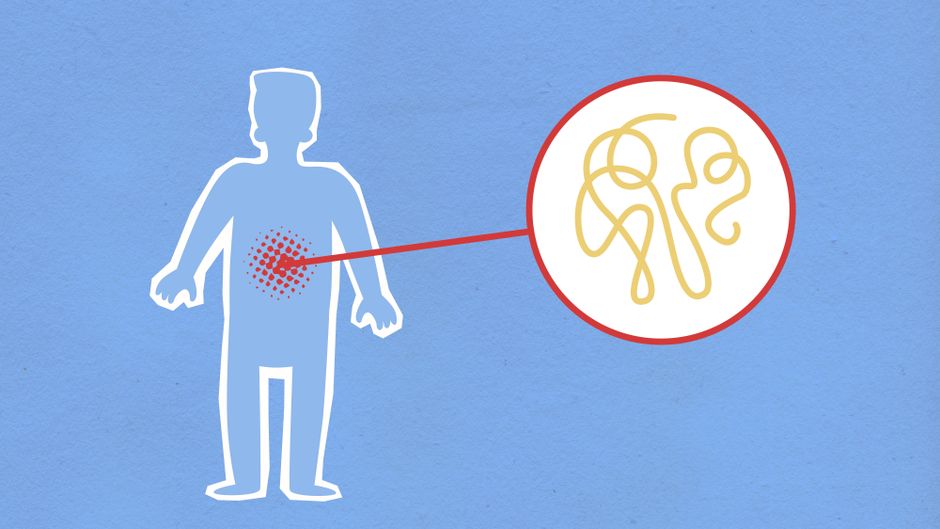
Stomach flu is a common name for viral gastroenteritis, an infection that causes diarrhea, vomiting, and stomach cramps. It is not the same as the flu, which is a respiratory illness caused by influenza viruses. The stomach flu is highly contagious and spreads easily through close contact and contaminated surfaces. You can avoid it by washing your hands thoroughly with soap and water, especially after using the bathroom and before eating.
What Exactly Causes the Stomach Flu?
Several different viruses can cause the stomach flu. The most common ones in the United States are norovirus and rotavirus. Norovirus causes most cases in adults. Rotavirus is more common in infants and young children.
These viruses attack the lining of your intestines. They cause inflammation that leads to the classic symptoms of watery diarrhea, vomiting, nausea, and stomach pain. Symptoms usually appear 12 to 48 hours after you are exposed to the virus. Most people feel better within one to three days, though some symptoms can linger longer.
How Is the Stomach Flu Spread?
The stomach flu spreads through the fecal-oral route. That means virus particles from an infected person’s stool end up in another person’s mouth. This sounds unpleasant, but it happens more easily than you might think.
An infected person sheds billions of virus particles in their stool and vomit. These particles can survive on surfaces for days or even weeks. When someone touches a contaminated doorknob, phone, or kitchen counter and then touches their mouth, they can become infected.
Food can also be a source of infection. If someone with the virus prepares food without washing their hands properly, they can contaminate the meal. Shellfish from contaminated waters and raw produce washed in contaminated water are other known sources.
You can also catch the stomach flu directly from an infected person. Sharing utensils, drinking from the same glass, or caring for someone who is sick puts you at risk. Inhaling virus particles from vomit can also spread the infection in some cases.
How Long Is a Person Contagious?
People are most contagious while they have symptoms and for a few days after they feel better. You can still shed the virus in your stool for up to two weeks after recovery. This is why careful handwashing after recovery matters.
Some people infected with norovirus show no symptoms at all but can still spread the virus to others. This makes the stomach flu particularly difficult to contain in households and communities.




What Are the Best Ways to Prevent the Stomach Flu?
Handwashing is your single best defense. Soap and water work better than alcohol-based hand sanitizers against norovirus. The friction of rubbing your hands together with soap for at least 20 seconds physically removes the virus particles. Hand sanitizer does not reliably kill norovirus.
Wash your hands in these situations:
- After using the bathroom
- After changing a diaper
- Before preparing or eating food
- After caring for someone who is sick
If someone in your home is sick, clean surfaces with a bleach-based disinfectant. Standard household cleaners may not kill norovirus. A solution of about 5 to 25 tablespoons of bleach per gallon of water is effective, depending on the surface. Follow the instructions on the disinfectant label.
Wash laundry thoroughly. Handle soiled clothes and sheets with gloves if possible. Wash your hands after touching any potentially contaminated fabric.
Do not prepare food for others while you are sick. Wait at least two days after your symptoms stop before cooking for anyone else. This timeframe aligns with when you are most contagious.
Is There a Vaccine for the Stomach Flu?
There is no vaccine for norovirus, which causes most adult cases of stomach flu. Research is ongoing, but no approved vaccine currently exists.
Rotavirus is different. Oral rotavirus vaccines are part of the routine childhood immunization schedule in the United States. These vaccines have dramatically reduced severe rotavirus infections in infants and young children. The vaccine does not prevent all cases, but it significantly lowers the risk of severe dehydration and hospitalization.
Adults do not typically receive the rotavirus vaccine. The protection it provides in childhood does not fully carry into adulthood, but adult rotavirus infections are usually milder than childhood cases.
What Should You Do If You Get the Stomach Flu?
Most cases resolve on their own without medical treatment. The main danger is dehydration from fluid loss. Focus on replacing fluids and electrolytes.
Clear liquids like water, broth, and oral rehydration solutions are best. Oral rehydration solutions contain the right balance of salt and sugar for your body to absorb. Sports drinks can help, but they contain more sugar than ideal for severe dehydration.
Eat bland foods as your appetite returns. Crackers, toast, rice, and bananas are gentle on the stomach. Avoid dairy, fatty foods, and highly seasoned foods until you feel fully recovered.
Over-the-counter anti-diarrheal medications like loperamide (Imodium) can reduce symptoms in adults. Do not give these to children without a doctor’s approval. Some doctors advise against them because stopping diarrhea too quickly can trap the virus in your system, though evidence on this is limited.
Antibiotics do not work against viruses. They will not help the stomach flu and can cause side effects.
When Should You See a Doctor?
Most adults can manage the stomach flu at home. But some situations require medical attention.
Seek medical care if you experience any of these signs:
- Blood in your vomit or stool
- Vomiting that lasts more than two days
- Signs of severe dehydration
- A fever higher than 102°F (about 39°C)
Severe dehydration is a medical emergency. Signs include extreme thirst, dry mouth, dark urine, dizziness when standing, and little or no urination. In infants and young children, look for a sunken soft spot on the head, no tears when crying, and dry diapers for three or more hours.
Infants, older adults, and people with weakened immune systems are at higher risk for complications. If someone in these groups gets the stomach flu, contact a healthcare provider early for guidance.
Does the Stomach Flu Spread Through the Air?
Most spread happens through direct contact with contaminated surfaces or people. Airborne transmission is not the main route for norovirus.
However, research indicates that vomiting can release virus particles into the air. These particles can settle on nearby surfaces or potentially be inhaled. This is why cleaning up vomit quickly and carefully matters.
When cleaning vomit, wear gloves and a mask if available. Open windows for ventilation if possible. Dispose of contaminated materials in a sealed plastic bag. Then disinfect the area with a bleach-based cleaner.
How Long Does the Virus Survive on Surfaces?
Norovirus is remarkably durable. Studies have found it can survive on hard surfaces like doorknobs and countertops for days. It can survive on soft surfaces like fabric and carpet for shorter periods but still long enough to pose a risk.
This durability explains why stomach flu outbreaks spread so quickly in places like cruise ships, schools, and nursing homes. Thorough cleaning with effective disinfectants is essential to break the chain of transmission.
Steam cleaning carpets and upholstery can help kill viruses in fabric. Washing clothes in hot water with detergent also removes virus particles.
Frequently Asked Questions
Can you get the stomach flu twice?
Yes, you can get the stomach flu multiple times. There are many different viruses and strains that cause it, and immunity to one does not protect you from others.
How long does stomach flu last on surfaces?
Norovirus can survive on hard surfaces for several days or even weeks. Cleaning with a bleach-based disinfectant is the most reliable way to kill it.
Is the stomach flu contagious before symptoms appear?
Yes, you can spread the virus before you feel sick. People typically become contagious about two days before symptoms start.
Does hand sanitizer kill the stomach flu virus?
No, alcohol-based hand sanitizers are not reliable against norovirus. Washing your hands with soap and water for at least 20 seconds is the effective method.
