
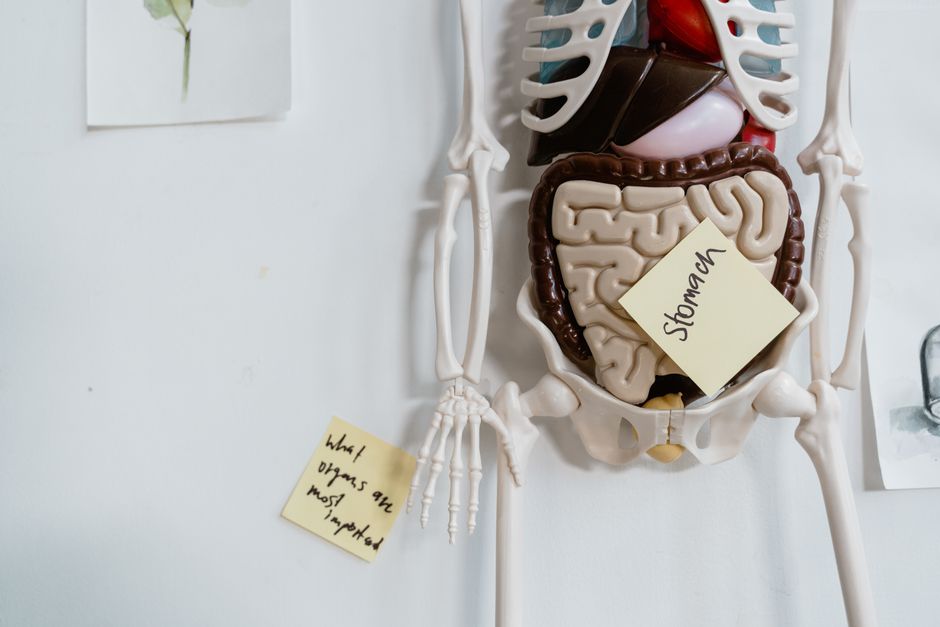
A stomach bug spreads mainly when tiny amounts of virus or bacteria from an infected person’s stool or vomit get into your mouth. That can happen through contaminated surfaces you touch, food handled by someone who is infected, or airborne particles from vomiting. The germs don’t float around on their own — they need a route from their body to yours.
The term “stomach bug” is a catch-all. Most cases are viral gastroenteritis, and norovirus is the most common cause in adults. Rotavirus was once the leading cause in young children before vaccination became widespread. Bacteria like Salmonella, Campylobacter, and E. coli can cause similar symptoms, but they spread through somewhat different routes and often through food specifically.
How Does a Stomach Bug Spread Through Surfaces?
Surfaces matter more than most people realize. When an infected person vomits or has diarrhea, microscopic particles of stool or vomit can end up on their hands. If they then touch a doorknob, a light switch, a phone, or a countertop, those particles transfer to the surface.
Norovirus is particularly good at surviving this way. It can remain infectious on hard surfaces for days, and possibly longer. The amount needed to make someone sick is extremely small — far less than what you could see. This is why outbreaks spread so quickly in places like schools, cruise ships, nursing homes, and restaurants.
The chain works like this:
- An infected person touches a surface after using the bathroom or changing a diaper.
- You touch that same surface and pick up the virus on your fingers.
- You eat, rub your eyes, or touch your mouth before washing your hands.
- The virus enters your body and begins to multiply.
Hand sanitizer is not a reliable substitute for soap and water against norovirus. Alcohol-based sanitizers do not kill norovirus effectively. Washing hands with soap and running water for at least 20 seconds is the method public health agencies consistently recommend. The physical action of scrubbing and rinsing removes the virus from your skin.
Can You Catch a Stomach Bug From Food?
Yes. Food is one of the most common vehicles for stomach bugs, and the reason usually comes down to who handled it and how.
An infected person who prepares food can contaminate it even if they feel fine. Norovirus can be shed in stool before symptoms start and for days after they stop. This means a food handler who seems completely healthy can still pass the virus along.
Foods that are commonly linked to outbreaks include:
- Leafy greens and fresh produce that are served raw
- Fresh fruits handled during preparation
- Shellfish, especially oysters and clams harvested from contaminated water
- Ready-to-eat foods touched by hands after cooking
Cooking kills most stomach bug germs, but food that is contaminated after cooking — by a sick handler, a dirty surface, or cross-contamination from raw ingredients — can still make you sick. This is why food safety guidance emphasizes handwashing, separating raw and cooked foods, and keeping preparation surfaces clean.
Bacterial causes like Salmonella and Campylobacter are often linked to undercooked poultry, eggs, and unpasteurized dairy. E. coli outbreaks have been tied to ground beef, raw sprouts, and contaminated water. These bacteria behave differently from viruses, but the core principle is the same: contaminated material reaches your mouth.
Is a Stomach Bug Airborne?
Partly, yes — but not in the way a cold or flu is airborne. Stomach bugs do not spread through normal breathing or talking the way respiratory viruses do. The airborne route for stomach bugs is specific and mostly involves vomiting.
When an infected person vomits, they release a spray of fine particles that can contain virus. These particles can land on nearby surfaces or be inhaled or swallowed by someone close by. This is one reason outbreaks can spread fast in enclosed spaces like restaurants, schools, and cruise ship dining rooms.
Some research suggests that norovirus particles can travel farther than a few feet during forceful vomiting, and that aerosolized particles may settle on surfaces well away from the person who was sick. The evidence for true airborne transmission over long distances is limited, but close-range aerosol spread during vomiting is well documented.
Diarrhea does not create the same kind of aerosol spray. The airborne concern is largely tied to vomiting episodes.

How Long Do Stomach Bug Germs Live on Surfaces?
It depends on the germ, the surface, and the conditions. Norovirus is notably persistent. Studies have found it can remain infectious on hard, non-porous surfaces for days to weeks. On soft surfaces like fabric or carpet, it may survive for a shorter time, but the exact duration varies.
Bacteria like Salmonella and E. coli can also survive on surfaces for extended periods, especially in moist environments. But they generally do not persist as long as norovirus on dry surfaces.
This is why cleaning and disinfecting matter after someone in your home has been sick. Regular cleaning removes germs. Disinfecting kills them. For norovirus, the CDC recommends using a chlorine bleach solution or an EPA-registered disinfectant labeled as effective against norovirus. Wiping a surface with a damp cloth alone is not enough.
Items that are frequently overlooked include:
- Toilet handles and bathroom faucets
- Kitchen counters and refrigerator handles
- Phones, tablets, and remote controls
- Door knobs and light switches
- Diaper changing areas
How Long Are You Contagious With a Stomach Bug?
You are most contagious while you have symptoms — especially vomiting and diarrhea — and for the first few days after you start feeling better. But the contagious period can extend beyond that.
With norovirus, people can shed the virus in their stool for up to two weeks or more after symptoms resolve. Children and people with weakened immune systems may shed it even longer. This doesn’t mean you’re highly contagious the whole time, but it does mean you can still pass the virus to others after you feel fine.
For bacterial causes, the contagious window varies. Salmonella can be shed in stool for several weeks. E. coli shedding typically lasts less time but can still persist after symptoms stop.
The practical takeaway: stay home while you are sick, and keep washing your hands carefully for at least two weeks after symptoms end. Avoid preparing food for others during that time if you can.
What Actually Prevents Stomach Bugs From Spreading?
Handwashing is the single most effective step. Soap and water, scrubbed for at least 20 seconds, removes norovirus and most bacteria from your hands. Hand sanitizer is a useful backup when soap is unavailable, but it is not a replacement, especially against norovirus.
Other measures that public health agencies consistently recommend:
- Disinfect high-touch surfaces with a bleach-based or EPA-registered product
- Wash laundry from a sick person separately, using hot water and drying on high heat
- Do not prepare food for others while sick or for at least two days after symptoms stop
- Wash raw produce thoroughly and cook meat and shellfish to safe internal temperatures
- Stay home from work, school, or group settings while you have active symptoms
There is no vaccine for norovirus currently available to the general public, though candidates are in development. Rotavirus vaccines are part of the routine childhood immunization schedule in the United States and have substantially reduced severe cases in young children.
One thing worth knowing: antibiotics do not work against viral stomach bugs. Most cases resolve on their own within one to three days. The main risk is dehydration, especially in young children, older adults, and people with weakened immune systems. Oral rehydration solutions are more effective than plain water for replacing lost electrolytes.
Frequently Asked Questions
Can you catch a stomach bug just from being in the same room as someone who has it?
Yes, if that person vomits. Vomiting can release fine particles that carry the virus into the air, and you can breathe them in or swallow them if you are close by. Normal breathing or talking does not spread stomach bugs the way it spreads colds or flu.
How long does norovirus live on surfaces?
Norovirus can remain infectious on hard surfaces for days to weeks. The exact time depends on the surface and conditions, but it is one of the most persistent stomach bugs on surfaces.
Does hand sanitizer kill stomach bugs?
Alcohol-based hand sanitizers are not effective against norovirus, which is the most common cause of stomach bugs. Soap and running water for at least 20 seconds is the recommended method.
Can you spread a stomach bug before you have symptoms?
Yes. Norovirus can be shed in stool before symptoms begin and for days after they stop. This is one reason outbreaks can be hard to trace and contain.
