
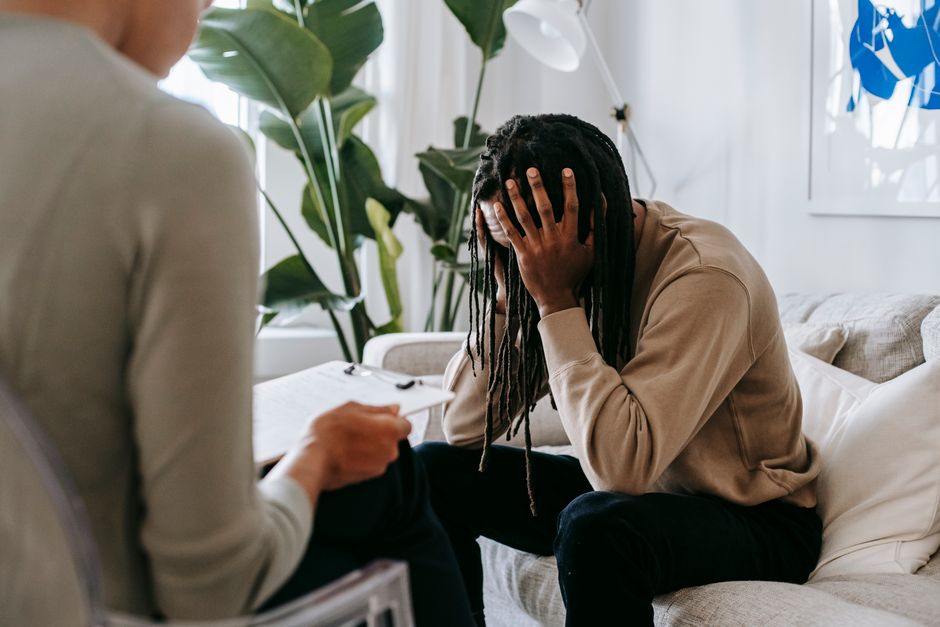
Anxiety can feel like a constant alarm system that never turns off. It is not just being nervous before a big meeting — it is a persistent feeling of dread that interferes with daily life. What helps with anxiety is not one single thing but a combination of approaches based on solid evidence. The most effective strategies include therapy like cognitive behavioral therapy (CBT), certain medications, lifestyle changes like regular exercise, and practical techniques for managing symptoms in the moment.
What Causes Anxiety in the First Place?
Anxiety does not have one single cause. It usually comes from a mix of things. Your genetics play a role. If a close family member has anxiety, your chances of having it are higher.
Your brain chemistry matters too. Certain brain chemicals called neurotransmitters help regulate mood. When they are out of balance, anxiety can take hold. Life experiences also shape your risk. Trauma, chronic stress, or a major life change can trigger an anxiety disorder.
Some medical conditions can cause anxiety-like symptoms. Thyroid problems, heart arrhythmias, and even vitamin deficiencies can mimic anxiety. That is why a doctor should check for physical causes before you assume it is purely mental.
Substances like caffeine, alcohol, and some medications can make anxiety worse. Current research suggests that even long-term use of cannabis can increase anxiety for some people, despite the temporary calming effect it might provide.
What Does the Research Show About Therapy for Anxiety?
Cognitive behavioral therapy (CBT) is the most studied treatment for anxiety. Research shows it works as well as medication for many people. CBT helps you identify thought patterns that fuel anxiety and teaches you to challenge them.
For example, if you think “everyone is judging me,” CBT helps you look for evidence against that thought. Over time, your brain learns new patterns. This is not about positive thinking. It is about realistic thinking.
Exposure therapy is a specific type of CBT. It involves facing feared situations in a controlled way. A person with social anxiety might start by imagining a conversation, then practice with a friend, and eventually speak in a small group. The key is doing it gradually so the brain learns that the feared outcome does not happen.
Other therapies like acceptance and commitment therapy (ACT) and dialectical behavior therapy (DBT) also have evidence behind them. ACT focuses on accepting anxious feelings rather than fighting them. DBT teaches distress tolerance skills. Both can be very effective.
As of 2026, online therapy has been shown to be just as effective as in-person therapy for anxiety. This is good news for people who cannot easily get to a therapist’s office.
Do Medications Help with Anxiety?
Medications can be very effective for anxiety. They are not a crutch or a sign of weakness. They are a tool that helps your brain function better, just like insulin helps a diabetic.
Selective serotonin reuptake inhibitors (SSRIs) are the most common first-line treatment. Drugs like sertraline (Zoloft) and escitalopram (Lexapro) increase serotonin levels in the brain. They take 4 to 6 weeks to start working fully. They are not addictive like some older anxiety medications.
Benzodiazepines like Xanax and Valium work quickly but carry risks. They can be habit-forming. Doctors usually prescribe them for short-term use or for panic attacks that happen rarely. Using them daily for months can lead to dependence.
Other medications like buspirone and beta-blockers also help. Buspirone is a non-addictive option for generalized anxiety. Beta-blockers help with the physical symptoms like racing heart and shaking, especially for performance anxiety.
Finding the right medication often takes trial and error. What works for one person may not work for another. Side effects are common in the first few weeks but usually improve. Never stop an anxiety medication suddenly — withdrawal can be dangerous.



How Do Lifestyle Changes Affect Anxiety?
Exercise is one of the most powerful tools against anxiety. Studies have found that regular aerobic exercise can reduce anxiety as much as medication for some people. Exercise burns off stress hormones like cortisol and releases endorphins that improve mood.
You do not need to run a marathon. Twenty minutes of brisk walking five times a week makes a real difference. The key is consistency. Even a short walk can break an anxious thought cycle.
Sleep and anxiety are closely linked. Poor sleep makes anxiety worse, and anxiety makes it harder to sleep. Improving sleep hygiene helps break this cycle. Keep a consistent bedtime, avoid screens an hour before sleep, and keep your bedroom cool and dark.
What you eat matters too. Blood sugar crashes can feel like anxiety. Eating regular meals with protein and fiber helps keep blood sugar stable. Caffeine is a common trigger — it activates the same nervous system pathways as anxiety. Cutting back or avoiding it after noon can help.
Alcohol is a trap for people with anxiety. It feels relaxing at first but disrupts sleep and causes rebound anxiety the next day. Many people find their baseline anxiety drops significantly after cutting alcohol.
Here is a quick comparison of common lifestyle approaches:
| Approach | How It Helps | Time to Effect |
| Aerobic exercise | Burns stress hormones, releases endorphins | Immediate after session, builds over weeks |
| Sleep improvement | Restores emotional regulation | Several days to weeks |
| Caffeine reduction | Lowers physical arousal | 1-3 days |
| Alcohol elimination | Stabilizes mood and sleep | 1-2 weeks |
| Mediterranean diet | Reduces inflammation linked to anxiety | Weeks to months |
What Techniques Help During an Anxiety Attack?
When anxiety hits hard, your brain goes into fight-or-flight mode. Your breathing becomes shallow. Your heart races. Your thoughts spiral. Techniques that work in this moment are different from long-term treatments.
Deep breathing is simple but backed by research. Slow, deliberate breathing activates the vagus nerve, which tells your nervous system to calm down. The 4-7-8 method works well: breathe in for 4 seconds, hold for 7 seconds, breathe out for 8 seconds. Do this for a minute or two.
Grounding techniques pull your attention away from anxious thoughts and back to the present moment. The 5-4-3-2-1 method is popular:
- Name 5 things you can see
- Name 4 things you can touch
- Name 3 things you can hear
- Name 2 things you can smell
- Name 1 thing you can taste
Cold water can shock your system out of a panic spiral. Splash cold water on your face or hold an ice cube. The cold activates the mammalian dive reflex, which slows your heart rate.
Movement helps too. Shaking your hands and feet, walking briskly, or doing jumping jacks can burn off the adrenaline that is flooding your body. Anxiety is energy trapped in your body. Moving helps release it.
Some people report that talking to someone during an attack helps. The key is choosing someone who will not feed your anxiety. You need someone calm who can help you reality-check your thoughts, not someone who will panic with you.
What Should You Avoid When Managing Anxiety?
Some popular things are widely claimed to help with anxiety but have limited evidence. Supplements are a big one. Many natural products make bold claims without solid research behind them.
Kava is one example. Some studies suggest it reduces anxiety, but there is a real risk of liver damage. As of 2026, the FDA has warned about kava’s safety. It is not worth the risk when safer options exist.
CBD is another popular product. Some people report that it helps them feel calmer. However, strong evidence is limited. The research is still early, and the quality of CBD products varies wildly. You cannot be sure what you are actually getting.
Valerian root and passionflower are sometimes used for anxiety. The evidence is weak. They might help mild anxiety but are not substitutes for proven treatments like therapy or medication.
Avoid relying on alcohol or marijuana to manage anxiety. Both provide temporary relief but make things worse over time. They interfere with sleep, affect mood regulation, and can lead to dependence.
Do not fall for products that promise instant or permanent relief. Anxiety is a chronic condition for most people. Management is about building skills and habits, not finding a magic cure.
Frequently Asked Questions About Helps with Anxiety
Can anxiety go away on its own?
Mild anxiety sometimes improves without treatment, but chronic anxiety disorders usually need active management through therapy, medication, or lifestyle changes.
How long does it take for anxiety treatment to work?
Therapy and medication typically take 4 to 8 weeks to show meaningful results, though some techniques like deep breathing work within minutes during an attack.
Is it better to take medication or do therapy for anxiety?
Research shows both work well, and combining them often gives the best results for moderate to severe anxiety.
What is the most effective natural remedy for anxiety?
Regular aerobic exercise has the strongest evidence of any natural approach, with effects comparable to medication for some people.
