
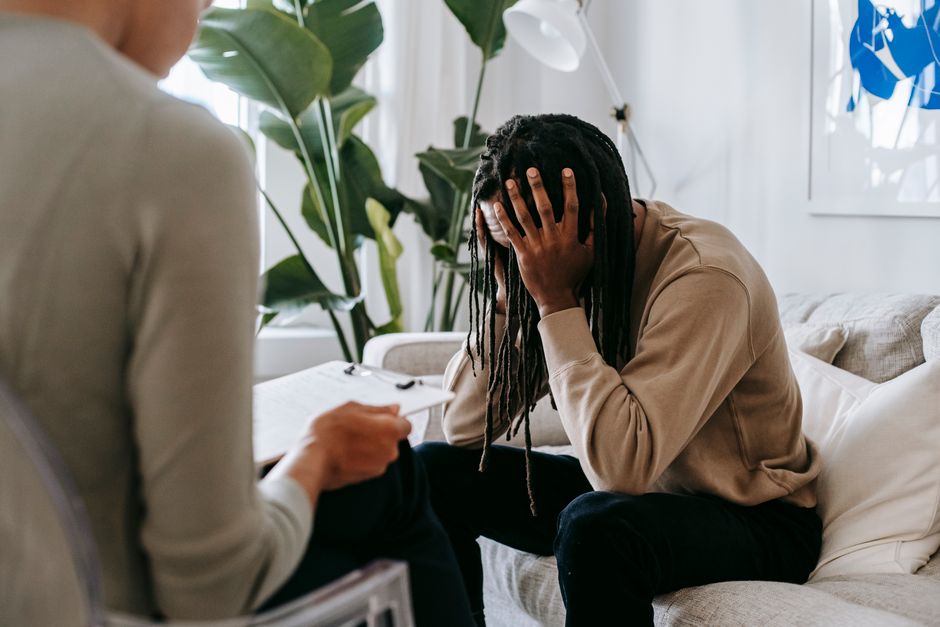
Anxiety and stress are not the same thing, but they often travel together. Stress is your body’s reaction to a demand or pressure. Anxiety is a feeling of fear or worry about what might happen next. The good news is that there are real, evidence-backed ways to calm both. The best approach combines immediate relief strategies with longer-term habits. Deep breathing, regular movement, and limiting caffeine can help right now. Therapy and lifestyle changes build lasting resilience. This article walks through what works, what doesn’t, and how to tell the difference.
What is the Difference Between Anxiety and Stress?
Stress usually has a clear cause. A deadline at work, a fight with a partner, or a traffic jam all trigger stress. Once the situation ends, stress usually fades. Anxiety tends to stick around even after the trigger is gone. It is a general sense of worry that may not have a clear source.
Your body reacts to both in similar ways. Your heart beats faster. Your breathing gets shallow. Your muscles tense up. This is called the fight-or-flight response. It is designed to protect you from danger. The problem is that your body can get stuck in this state even when there is no real threat.
Research shows that chronic stress can actually rewire the brain. The amygdala, which processes fear, becomes more active. The prefrontal cortex, which handles rational thinking, becomes less active. This makes it harder to calm down once you are upset. Understanding this helps explain why anxiety can feel so overwhelming. It is not a character flaw. It is a biological response that has gone into overdrive.
What Helps Anxiety and Stress Right Now?
When anxiety hits hard, you need tools that work in the moment. The most studied technique is slow, deep breathing. A 2017 study in the journal Frontiers in Psychology found that slow breathing at six breaths per minute activates the vagus nerve. This nerve signals your body to relax. Try breathing in for four seconds, holding for four seconds, and exhaling for six seconds. Do this for two minutes.
Physical movement also helps fast. A brisk five-minute walk lowers cortisol, the main stress hormone. Even standing up and stretching can shift your nervous system out of fight-or-flight mode. The key is to move your body in a way that feels good, not forced.
Another immediate tool is the 5-4-3-2-1 grounding exercise. Name five things you can see, four things you can touch, three things you can hear, two things you can smell, and one thing you can taste. This pulls your brain out of anxious thoughts and into the present moment. It works because your brain cannot focus on a threat and on sensory details at the same time.
Cold water on your face or holding an ice cube can also help. The cold shock activates the dive reflex, which slows your heart rate. This is a quick reset for an overwhelmed nervous system.
What Lifestyle Changes Have the Strongest Evidence?
Exercise is the single most effective lifestyle change for anxiety. A 2021 review in Depression and Anxiety looked at dozens of studies and found that regular aerobic exercise reduces anxiety symptoms by 20 to 40 percent. Walking, jogging, swimming, and cycling all work. The key is consistency. Thirty minutes of moderate movement five times per week is the target. Even ten minutes at a time adds up.
Sleep is just as important. Poor sleep makes anxiety worse, and anxiety makes sleep worse. It is a vicious cycle. A 2020 study in Nature Human Behaviour found that even one night of poor sleep increases anxiety levels by 30 percent the next day. Protect your sleep by keeping a consistent bedtime, avoiding screens an hour before bed, and keeping your bedroom cool and dark.
What you eat also matters. Caffeine is a common trigger for anxiety. It blocks adenosine, a chemical that helps you feel calm. If you are prone to anxiety, try cutting caffeine after noon. Alcohol is another problem. It may feel relaxing at first, but it disrupts sleep and can cause rebound anxiety the next day. Sugar spikes and crashes can also mimic anxiety symptoms.
Social connection is a powerful but overlooked tool. A 2018 study in Psychological Science found that people who felt socially supported had lower cortisol levels during stressful tasks. Even a short phone call with a friend can help. Isolation makes anxiety worse. Connection helps regulate your nervous system.



What About Supplements and Herbal Remedies?
Some supplements have real evidence behind them. Others are mostly hype. Here is what current research suggests as of 2026.
| Supplement | What the Evidence Says |
|---|---|
| Magnesium | Some studies suggest magnesium helps with mild anxiety. A 2017 review in Nutrients found that magnesium deficiency is linked to higher anxiety. Food sources like spinach, almonds, and black beans are better than pills. |
| Omega-3 fatty acids | Stronger evidence. A 2018 meta-analysis in JAMA Network Open found that omega-3s reduce anxiety symptoms. Fish oil supplements with at least 1,000 mg of EPA are most effective. |
| L-theanine | This amino acid found in green tea promotes calm without drowsiness. A 2019 study in Nutrients found that 200 mg of L-theanine reduces stress response in about an hour. |
| Ashwagandha | Some studies suggest it lowers cortisol. A 2021 review in Cureus found a modest effect on stress. More research is needed. Quality varies between brands. |
| CBD oil | This is widely claimed to help anxiety, though strong evidence is limited. A 2019 study in The Permanente Journal found some benefit for anxiety in adults. Most studies are small. Talk to a doctor before trying it. |
| Valerian root | Used for sleep, not daytime anxiety. Some people report it helps with relaxation. Clinical evidence is mixed. It can interact with other medications. |
Always talk to your doctor before starting any supplement. Natural does not mean safe for everyone. Some supplements interact with prescription medications. Others affect liver function or blood pressure.
When Should You Consider Therapy or Medication?
If anxiety or stress is interfering with your daily life, professional help is worth considering. Signs that it is time include trouble sleeping most nights, avoiding social situations, constant worry that you cannot control, or physical symptoms like chest pain or headaches that your doctor has ruled out as medical issues.
Cognitive behavioral therapy has the strongest evidence of any treatment for anxiety. A 2020 meta-analysis in JAMA Psychiatry found that CBT works as well as medication for many people, and the benefits last longer. CBT teaches you to identify and change thought patterns that fuel anxiety. It is not about positive thinking. It is about realistic thinking.
Medication can also help. SSRIs like sertraline and escitalopram are the most common first-line treatments. They take four to six weeks to work. Buspirone is another option for general anxiety. Benzodiazepines like Xanax work fast but are addictive. Most doctors prescribe them only for short-term use.
Therapy and medication together often work better than either alone. A 2021 study in The Lancet Psychiatry found that combining CBT with an SSRI was more effective than either treatment alone for moderate to severe anxiety. If you are struggling, talk to your primary care doctor. They can refer you to a specialist.
What Common Misconceptions Should You Ignore?
One widespread myth is that anxiety is just a mindset problem. If you think positively, the logic goes, the anxiety will go away. This is not true. Anxiety has biological roots in brain chemistry and nervous system function. You cannot think your way out of a chemical imbalance any more than you can think your way out of diabetes.
Another misconception is that avoiding stressful situations is helpful. In the short term, avoidance reduces anxiety. In the long term, it makes anxiety worse. Your brain learns that the only way to feel safe is to avoid the thing you fear. This shrinks your world over time. The better approach is gradual exposure, done with support from a therapist.
A third myth is that everyone needs medication. Many people manage anxiety well with therapy, exercise, and lifestyle changes alone. Medication is one tool, not the only tool. The right approach depends on your specific situation. There is no one-size-fits-all solution.
Finally, some people believe that anxiety always needs treatment. Mild anxiety that comes and goes is a normal human experience. It does not always require intervention. The goal is not to eliminate anxiety completely. The goal is to manage it so it does not control your life.
Frequently Asked Questions
How do I know if I have anxiety or just stress?
Stress has a clear cause and fades when the cause goes away. Anxiety lingers and may not have an obvious trigger.
Can exercise really help with anxiety?
Yes. Regular aerobic exercise reduces anxiety symptoms by 20 to 40 percent according to multiple studies.
What is the fastest way to calm an anxiety attack?
Slow breathing at six breaths per minute activates the vagus nerve and signals your body to relax within two minutes.
Should I see a doctor for anxiety?
If anxiety interferes with sleep, work, or relationships, or if you have physical symptoms like chest pain, see a doctor.
