
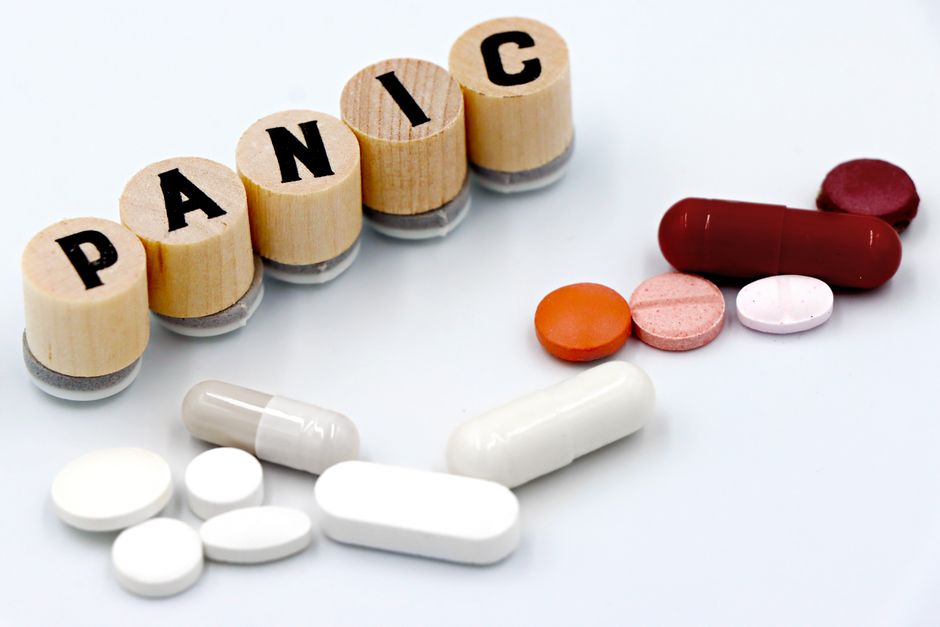
Anxiety is your body’s natural alarm system, but sometimes it goes off when there is no real danger. Managing anxiety starts with understanding that you are not broken — your brain is just trying to protect you in a way that no longer fits your life. The most effective approach combines breathing techniques that work in the moment, daily habits that build long-term resilience, and knowing when to ask for help from a professional.
What Actually Causes Anxiety?
Anxiety does not have one single cause. Research shows it comes from a mix of genetics, brain chemistry, and life experiences. Your amygdala — a small part of your brain — acts like a smoke detector. In some people, it is set too sensitive. It goes off for small things that are not actually dangerous.
Stressful events can also turn up the sensitivity. Losing a job, going through a divorce, or living through a pandemic changes how your brain processes threat. Some studies suggest that growing up with anxious parents can teach your brain to be on high alert more often. This is not your fault. It is how your brain learned to survive.
Physical health matters too. Thyroid problems, heart conditions, and even low blood sugar can cause symptoms that feel exactly like anxiety. Current research suggests that inflammation in the body may also play a role. If your anxiety started suddenly or feels different than before, a doctor should check for medical causes first.
How to Manage Anxiety in the Moment
When anxiety hits, your body goes into fight-or-flight mode. Your heart races, your breathing gets shallow, and your thoughts spin. The fastest way to calm this response is through your breath. Slow, deep breathing tells your nervous system that the danger has passed.
Try this: breathe in for four seconds, hold for four seconds, breathe out for six seconds. The longer exhale activates the vagus nerve, which helps your body relax. Do this for two minutes. It sounds simple, but research shows it lowers heart rate and stress hormones quickly.
Grounding techniques also work well. The 5-4-3-2-1 method helps pull your mind away from anxious thoughts and back to the present. Name five things you can see, four things you can touch, three things you can hear, two things you can smell, and one thing you can taste. This forces your brain to focus on real sensory information instead of imagined threats.
Cold water can help too. Splashing cold water on your face or holding an ice cube triggers the mammalian dive reflex. This slows your heart rate and shifts your body out of panic mode. It is not a cure, but it can buy you enough calm to think clearly.
| Technique | How It Works | How Long to Try |
|---|---|---|
| 4-7-8 Breathing | Inhale 4 sec, hold 7 sec, exhale 8 sec | 1-2 minutes |
| 5-4-3-2-1 Grounding | Shift focus to senses | 3-5 minutes |
| Cold Water Splash | Triggers dive reflex | 30 seconds |
| Progressive Muscle Relaxation | Tense and release muscle groups | 5-10 minutes |
What Daily Habits Help Manage Anxiety Long-Term
Managing anxiety is not just about surviving bad moments. It is about building a life where anxiety has less power over you. Sleep is the foundation. When you are sleep-deprived, your amygdala becomes 60% more reactive to negative stimuli, according to some brain imaging studies. Aim for seven to nine hours. If you struggle with sleep, focus on a consistent wake-up time even on weekends.
Exercise works as well as medication for some people with mild to moderate anxiety. You do not need to run marathons. Twenty minutes of brisk walking five days a week is enough to lower anxiety levels. The key is consistency. Your brain needs regular signals that you are safe and active.
What you eat matters more than most people realize. High sugar intake can cause blood sugar spikes and crashes that mimic anxiety symptoms. Caffeine is a direct trigger for many people. It blocks adenosine, a chemical that helps you feel calm, and can keep your nervous system stuck in high alert. If you have anxiety, try cutting caffeine completely for two weeks and see how you feel.
Alcohol is tricky. It feels relaxing in the moment, but it disrupts sleep and increases anxiety the next day. This is called the rebound effect. Many people drink to calm down, only to wake up feeling more anxious than before. Reducing alcohol intake often leads to noticeable improvements in anxiety within a week.





Does Therapy Actually Help Manage Anxiety
Therapy is one of the most effective tools for managing anxiety. Cognitive Behavioral Therapy, or CBT, has the strongest research backing. It teaches you to notice anxious thoughts and question whether they are true. Over time, you learn to respond differently to triggers. Studies show that CBT works as well as medication for many people, and the benefits last longer.
Exposure therapy is another evidence-based approach. It involves facing feared situations in small, manageable steps. This might mean going to a crowded store for five minutes if social anxiety is your struggle. The goal is not to eliminate fear completely but to teach your brain that you can handle discomfort without something bad happening.
Acceptance and Commitment Therapy, or ACT, takes a different approach. Instead of fighting anxious thoughts, you learn to accept them without letting them control your actions. Some people find this more helpful than CBT, especially if they have tried CBT and felt like it was too focused on changing thoughts. Both approaches have solid research support.
As of 2026, online therapy is just as effective as in-person therapy for most people. The convenience often leads to better attendance, which improves outcomes. If cost is a barrier, look for community mental health centers or therapists who offer sliding scale fees. Do not let money stop you from getting help.
What About Medication for Anxiety
Medication can be helpful, but it is not a magic fix. The most common medications are SSRIs, which increase serotonin levels in your brain. They take four to six weeks to start working fully. They are not addictive, but they can cause side effects like nausea, weight gain, or sexual problems. Some people need to try a few different ones before finding the right fit.
Benzodiazepines like Xanax or Valium work fast but are only meant for short-term use. They are highly addictive and can cause tolerance, meaning you need more to get the same effect. Doctors generally recommend them only for panic attacks or occasional severe anxiety, not for daily use.
Beta-blockers are sometimes used for performance anxiety. They block the physical symptoms like shaking and rapid heart rate without affecting your thinking. They are not a treatment for generalized anxiety, but they can help in specific situations like giving a speech.
The decision to take medication is personal. Some people benefit greatly from it. Others prefer to manage without it. There is no right or wrong answer. The important thing is to work with a doctor who listens to you and explains the options clearly.
Many people benefit from combining therapy and medication. The medication takes the edge off so that therapy can work better. This is especially true for people with moderate to severe anxiety who find it hard to focus on therapy techniques when their anxiety is overwhelming.
What Makes Anxiety Worse Without Realizing It
Some common habits accidentally make anxiety worse. Reassurance seeking is one of them. Asking friends or family repeatedly if everything will be okay might feel helpful, but it trains your brain to depend on external validation. Over time, you need more reassurance to feel the same relief. The better approach is to sit with uncertainty and let yourself feel uncomfortable without asking for help.
Avoidance is another trap. If you avoid everything that makes you anxious, your brain learns that those things are dangerous. The anxiety grows bigger each time you avoid. The opposite approach — facing fears gradually — shrinks anxiety over time. This is hard but effective.
Checking behaviors also feed anxiety. Checking your phone for bad news, checking your body for signs of illness, or checking locks multiple times gives temporary relief but keeps the anxiety cycle going. Each check reinforces the idea that you need to be vigilant. Breaking this habit is difficult but necessary for long-term improvement.
Some people report that overthinking or analyzing their anxiety makes it worse. This is widely claimed though strong evidence is limited. What is clear is that spending hours trying to figure out why you are anxious often keeps you stuck. Sometimes the most helpful thing is to stop analyzing and simply focus on what you can do right now.
Common Misconceptions About Anxiety
Many people believe that anxiety is a sign of weakness. This is not true. Anxiety is a biological response that has nothing to do with character. Some of the strongest, most successful people struggle with anxiety. It does not mean you are broken or failing at life.
Another misconception is that you can just think your way out of anxiety. Positive thinking alone does not work for most people. Your brain’s emotional center responds faster than your thinking brain. You need physical techniques and behavioral changes, not just positive affirmations. Thinking your way out of anxiety is like trying to talk your way out of a fever.
Some people think that if they need medication, they have failed. This is false. Anxiety is a medical condition just like high blood pressure or diabetes. Taking medication for it is no different than taking insulin for diabetes. There is no shame in using tools that help you live better.
A final misconception is that anxiety will go away completely if you try hard enough. For many people, anxiety is a chronic condition that needs ongoing management. The goal is not to eliminate anxiety entirely but to reduce it to a manageable level where it does not control your life. This is a realistic and achievable goal.
Frequently Asked Questions About manage anxiety
Can anxiety go away without treatment?
Some people experience anxiety that fades on its own, especially if it is linked to a specific stressful event. For chronic anxiety, treatment usually leads to better and faster improvement than waiting for it to disappear.
How long does it take to learn how to manage anxiety?
Most people notice some improvement within a few weeks of practicing techniques like deep breathing or regular exercise. Full benefits from therapy or medication typically take two to three months.
Is it normal to have anxiety every day?
Feeling anxious every day is common but not normal in the sense of being healthy. Daily anxiety that interferes with your life is a sign that you could benefit from professional support or lifestyle changes.
What is the most effective way to manage anxiety at home?
Combining regular exercise, good sleep habits, and deep breathing techniques is the most effective home approach. Consistency matters more than any single technique.
