
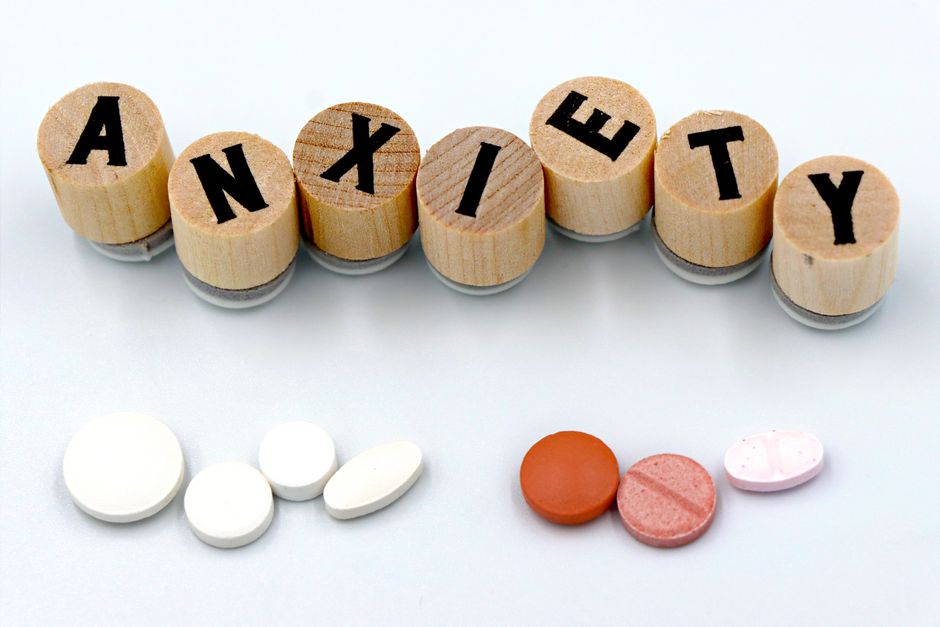
Anxiety feels like your brain is stuck on high alert for no good reason. The real answer to what helps anxiety is not one magic fix — it is a mix of proven therapies, daily habits, and sometimes medication. Research shows that the most effective approach combines professional help with lifestyle changes that calm the nervous system over time.
What Actually Causes Anxiety in the First Place?
Anxiety is not a character flaw or something you can just “snap out of.” It is a real biological response. Your amygdala — the part of your brain that detects threats — is working overtime. Your body releases stress hormones like cortisol and adrenaline even when there is no danger.
Some people are born with a more sensitive nervous system. Others develop anxiety after trauma, chronic stress, or major life changes. Brain chemistry plays a role too. Low levels of GABA, a natural calming chemical in the brain, are linked to higher anxiety. As of 2026, researchers also know that inflammation in the body can trigger anxiety symptoms.
Genetics matter but do not tell the whole story. If a close family member has anxiety, your risk is higher. But environment and life experiences often matter more. The good news is that the brain can change. This is called neuroplasticity. With the right tools, you can train your brain to be less reactive.
Does Therapy Actually Help Anxiety?
Therapy is the gold standard for treating anxiety. Research shows that cognitive behavioral therapy, or CBT, works for about 60 to 80 percent of people with anxiety disorders. CBT teaches you to notice anxious thoughts and challenge them. You learn that the worst-case scenario you fear is unlikely to happen.
There is also exposure therapy, which is a type of CBT. You face feared situations in small, safe steps. Over time, your brain learns that these situations are not dangerous. The fear response fades. This works especially well for phobias and panic attacks.
Another option is acceptance and commitment therapy, or ACT. Instead of fighting anxious thoughts, you learn to accept them without letting them control your actions. Some studies suggest ACT works as well as CBT for generalized anxiety. Current research suggests that both therapies are effective, and the best choice depends on your personality and specific symptoms.
Therapy is not a quick fix. Most people need 8 to 20 sessions to see real change. But the skills you learn last a lifetime. If you have never tried therapy, it is worth considering. A good therapist will give you tools that no app or supplement can replace.
What Medications Are Proven to Help Anxiety?
Medication is not for everyone, but it helps many people. The most common first-line medications are selective serotonin reuptake inhibitors, or SSRIs. These include drugs like sertraline, escitalopram, and fluoxetine. They increase serotonin levels in the brain, which improves mood and reduces anxiety over time.
SSRIs take 4 to 6 weeks to start working fully. They are not addictive, but stopping them suddenly can cause withdrawal symptoms. Some people experience side effects like nausea, sleep problems, or lower sex drive. These often improve after the first few weeks.
Another class of medications is SNRIs, which affect both serotonin and norepinephrine. Venlafaxine and duloxetine are examples. They work similarly to SSRIs and are also effective for anxiety.
Benzodiazepines like Xanax and Valium work quickly but are not meant for long-term use. They can be addictive and cause tolerance, meaning you need higher doses over time. Doctors usually prescribe them only for short-term relief or panic attacks. They are not a daily solution.
Buspirone is a less common medication that works for generalized anxiety. It has fewer side effects than SSRIs but takes longer to work. Your doctor can help you decide which medication makes sense for your situation.



What Lifestyle Changes Actually Help Anxiety?
Exercise is one of the most effective natural treatments for anxiety. Studies show that regular aerobic exercise reduces anxiety symptoms by 20 to 40 percent. It burns off stress hormones and releases endorphins, which are natural mood boosters. Even a 20-minute walk can help.
Sleep is equally important. Poor sleep makes your brain more reactive to stress. Aim for 7 to 9 hours per night. If anxiety keeps you awake, try a consistent bedtime routine. Avoid screens for an hour before bed. Keep your bedroom cool and dark.
What you eat matters too. High sugar and processed foods can spike blood sugar and mimic anxiety symptoms. Caffeine is a common trigger. It blocks adenosine, a chemical that helps you feel calm. For some people, one cup of coffee is fine. For others, it causes jitteriness and panic. Pay attention to how your body reacts.
Alcohol is tricky. It may feel relaxing at first, but it disrupts sleep and can increase anxiety the next day. This is sometimes called “hangxiety.” Reducing or cutting out alcohol often leads to noticeable improvements.
Here is a quick comparison of lifestyle changes and their effects:
| Change | How It Helps | Time to Notice Effect |
|---|---|---|
| Aerobic exercise | Burns stress hormones, releases endorphins | 2 to 4 weeks |
| Better sleep | Calms the nervous system | A few days |
| Less caffeine | Reduces physical anxiety symptoms | Immediate |
| Less alcohol | Improves sleep and mood stability | 1 to 2 weeks |
| Regular meals | Stabilizes blood sugar | A few days |
Do Supplements and Natural Remedies Help Anxiety?
Some supplements have real research behind them. Others are widely claimed to work, but strong evidence is limited. Let us look at what the studies actually say.
Magnesium is one of the better-studied supplements. It helps regulate the nervous system and calm muscle tension. Some studies suggest that magnesium glycinate specifically can reduce anxiety symptoms. The effect is modest but real.
Omega-3 fatty acids, found in fish oil, also show promise. They reduce inflammation in the body, which may lower anxiety. A 2018 study found that medical students who took omega-3 supplements had 20 percent less anxiety than those who took a placebo.
L-theanine is an amino acid found in green tea. It promotes relaxation without drowsiness. Studies show it increases alpha brain waves, which are linked to a calm, alert state. It is safe and can be taken daily.
Ashwagandha is an herb used in Ayurvedic medicine. Some studies suggest it lowers cortisol levels and reduces stress. But the quality of research is mixed, and not all studies show strong effects. It may help some people, but it is not a substitute for therapy or medication.
CBD, or cannabidiol, is widely claimed to help anxiety. As of 2026, there is no clinical evidence that CBD works for all types of anxiety. Some small studies show benefit for social anxiety, but larger studies are needed. The FDA has not approved CBD for anxiety, and products are not regulated. Be cautious.
Here are some things to avoid:
- Supplements that claim to “cure” anxiety instantly
- High doses of melatonin, which can worsen mood
- Kava kava, which can cause liver damage
- Any supplement that promises to replace therapy or medication
What Breathing and Relaxation Techniques Work?
Breathing techniques are one of the fastest ways to calm anxiety in the moment. They work by activating the parasympathetic nervous system, which is your body’s “rest and digest” mode. This lowers heart rate and blood pressure.
The most studied technique is slow, diaphragmatic breathing. Breathe in through your nose for 4 seconds. Hold for 4 seconds. Breathe out through your mouth for 6 seconds. This longer exhale activates the vagus nerve, which signals your brain to relax. Practice this for 5 minutes twice a day.
Progressive muscle relaxation is another effective method. You tense each muscle group for 5 seconds, then release. Start with your feet and work up to your face. This helps you notice where you hold tension and teaches your body to let go.
Mindfulness meditation has strong research behind it. A 2014 meta-analysis of 47 studies found that mindfulness programs reduce anxiety by a moderate amount. The key is consistency. Even 10 minutes a day can rewire your brain over time. Apps like Headspace and Calm can help you get started, but they are not a replacement for professional treatment.
One non-obvious insight: trying to relax when you are anxious can backfire. This is called relaxation-induced anxiety. If you feel worse when you try to relax, start with active techniques like walking or stretching instead. Some people need to burn off energy before they can settle down.
Frequently Asked Questions About helps anxiety
Frequently Asked Questions About helps anxiety
Does exercise really help anxiety?
Yes, regular aerobic exercise reduces anxiety symptoms by 20 to 40 percent in many people. It works by burning off stress hormones and releasing natural mood boosters.
How long does therapy take to help anxiety?
Most people need 8 to 20 sessions of cognitive behavioral therapy to see lasting improvement. Some people notice benefits after just a few sessions.
Can diet changes help anxiety?
Yes, reducing caffeine, sugar, and alcohol can lower anxiety symptoms for many people. Eating regular meals that stabilize blood sugar also helps.
Is medication safe for long-term anxiety treatment?
SSRIs and SNRIs are safe for long-term use under a doctor’s supervision. Benzodiazepines are not recommended for long-term use due to risk of dependence.
