
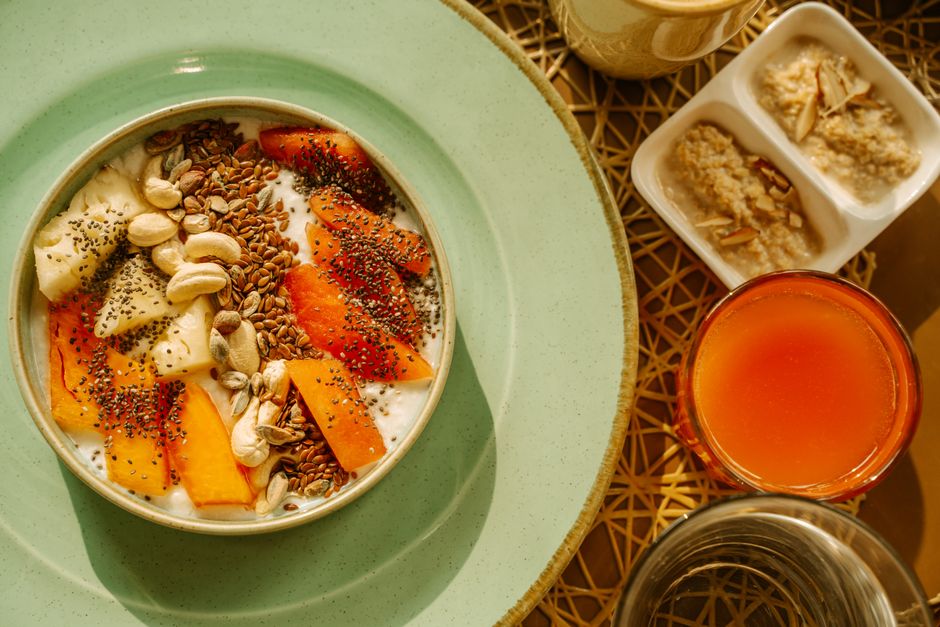
Chia seeds are tiny black or white seeds from the Salvia hispanica plant, and they are one of the most nutrient-dense foods available. Research shows that adding them to your diet can support heart health, help manage blood sugar, and improve digestion. These seeds have been cultivated for centuries, but modern science now confirms why they remain a valuable addition to a balanced diet.
What Makes Chia Seeds So Nutritious?
Chia seeds pack a remarkable amount of nutrition into a very small package. A standard two-tablespoon serving contains about 138 calories, 4.7 grams of protein, 8.7 grams of fat, and 11.9 grams of fiber. Most of the fat is alpha-linolenic acid (ALA), a plant-based omega-3 fatty acid.
The fiber content is particularly notable. Two tablespoons provide roughly 40 percent of the daily recommended fiber intake for adults. This single fact explains many of the health benefits associated with chia seeds.
Chia seeds are also a good source of several essential minerals. They contain calcium, magnesium, phosphorus, and manganese. These minerals support bone health, muscle function, and energy metabolism.
Can Chia Seeds Improve Heart Health?
Research consistently shows that chia seeds can positively affect several markers of cardiovascular health. The combination of fiber, omega-3 fatty acids, and plant compounds appears to work together to support the heart.
Studies have found that regular chia seed consumption can help lower blood pressure in people with hypertension. The effect is modest but meaningful, particularly when chia seeds replace less healthy foods in the diet.
The ALA in chia seeds may also help reduce inflammation throughout the body. Chronic inflammation is a known risk factor for heart disease, so reducing it through diet is a sensible strategy.
One important note: the omega-3s in chia seeds are not the same as the EPA and DHA found in fish oil. Your body must convert ALA into these forms, and the conversion rate is low. Chia seeds are a valuable plant-based source, but they do not replace fish or fish oil for omega-3 intake.
How Do Chia Seeds Affect Blood Sugar?
Chia seeds have a genuine, measurable effect on blood sugar management. The high fiber content slows digestion and the release of sugar into the bloodstream. This helps prevent the sharp spikes and crashes that follow meals high in refined carbohydrates.
Some studies suggest that chia seeds can improve insulin sensitivity. This means your cells respond more effectively to insulin, which helps keep blood sugar levels stable. The evidence here is promising, though not as strong as the evidence for fiber’s role in slowing digestion.
For people with type 2 diabetes, adding chia seeds to meals may help with glycemic control. However, chia seeds are not a treatment for diabetes. They are a supportive food that works alongside medication and other lifestyle changes.
If you take medication for blood sugar, talk to your doctor before making significant changes to your diet. Adding large amounts of fiber can change how your body responds to medication.


Do Chia Seeds Support Digestive Health?
The fiber in chia seeds is both soluble and insoluble. Soluble fiber forms a gel when mixed with water. Insoluble fiber adds bulk to stool. Together, they support regular bowel movements and a healthy digestive tract.
Chia seeds also act as a prebiotic. This means they feed the beneficial bacteria in your gut. A healthy gut microbiome is linked to better digestion, improved immune function, and even mood regulation.
When you eat chia seeds, they absorb many times their weight in water. This is why they form a gel-like consistency. This gel can help soften stool and make it easier to pass.
If you are not used to eating high-fiber foods, start slowly. Sudden increases in fiber can cause bloating, gas, and abdominal discomfort. Increase your intake gradually and drink plenty of water throughout the day.
What Is the Evidence for Weight Management?
Chia seeds may support weight management, but the evidence is more modest than many claims suggest. The fiber and protein in chia seeds can increase feelings of fullness. This may help you eat fewer calories overall.
Some studies have found that chia seeds can reduce appetite and food intake at subsequent meals. However, research on actual weight loss is mixed. A few well-designed trials have not found significant weight loss differences between groups consuming chia seeds and control groups.
This is an honest point of uncertainty. Chia seeds are a reasonable addition to a weight management plan, but they are not a weight loss tool on their own. No food works that way.
The practical benefit is simpler. Replacing processed snacks with a chia-based pudding or adding chia to yogurt can reduce overall calorie intake while increasing nutrient density.
How Should You Eat Chia Seeds?
Chia seeds are versatile and easy to incorporate into your diet. They have a mild, nutty flavor that does not overpower other foods.
Common ways to eat chia seeds include:
- Stirring them into yogurt, oatmeal, or smoothies
- Making chia pudding by mixing seeds with milk or a milk alternative
- Using them as an egg substitute in baking (one tablespoon mixed with three tablespoons of water replaces one egg)
- Sprinkling them over salads or cooked vegetables
- Adding them to homemade baked goods like muffins or bread
Whole chia seeds can be eaten dry, but they are easier to digest when soaked. Soaking also makes the nutrients more available to your body.
There is no official recommended daily dose of chia seeds. Most studies have used between 15 and 30 grams per day, which is roughly one to two tablespoons. This amount appears safe and well-tolerated for most people.
Are There Any Risks or Side Effects?
Chia seeds are safe for most people when consumed in normal food amounts. There are a few important considerations.
People taking blood pressure medication or blood thinners should be cautious. Chia seeds can lower blood pressure and may have mild blood-thinning effects. Talk to your doctor if you take these medications.
Dry chia seeds absorb water rapidly. If you eat them dry, they can swell in your esophagus and cause choking or blockage. This is rare but has been reported. Always soak chia seeds or mix them thoroughly with liquid before eating.
People with a history of swallowing difficulties or esophageal strictures should avoid dry chia seeds entirely. The risk of blockage is real and potentially serious.
Allergic reactions to chia seeds are uncommon but possible. If you have a known allergy to mustard seeds or other seeds, discuss chia seeds with your doctor before trying them.
Do Chia Seeds Interact with Medications?
Chia seeds can interact with certain medications, primarily through their effects on blood sugar and blood pressure. The fiber content can also affect how some medications are absorbed.
If you take diabetes medication, chia seeds may enhance the blood sugar-lowering effect. This could lead to hypoglycemia if not monitored. Check your blood sugar more frequently when you first add chia seeds to your diet.
For blood pressure medication, the same principle applies. Chia seeds may add to the blood pressure-lowering effect of your medication. Monitor your blood pressure and keep your doctor informed.
Fiber can bind to some medications and reduce their absorption. To be safe, take medications at least one hour before or two hours after eating chia seeds. This is a general precaution, not a specific guideline for any single medication.
Frequently Asked Questions
Can you eat chia seeds every day?
Yes, chia seeds are safe to eat daily in amounts of one to two tablespoons. This amount is well-tolerated by most people and provides meaningful nutritional benefits.
Do chia seeds need to be soaked before eating?
Soaking is not required, but it is safer and improves digestion. Dry chia seeds can swell in the esophagus and cause choking, so mixing them with liquid is the recommended approach.
Can chia seeds help you lose weight?
Chia seeds may help with weight management by increasing fullness and reducing appetite, but the evidence for actual weight loss is mixed. They are a supportive food, not a weight loss solution on their own.
Are chia seeds better than flax seeds?
Both seeds are highly nutritious, and neither is clearly superior. Chia seeds have more fiber and calcium, while flax seeds contain lignans that may have additional health benefits. Including both in your diet is a reasonable approach.
