
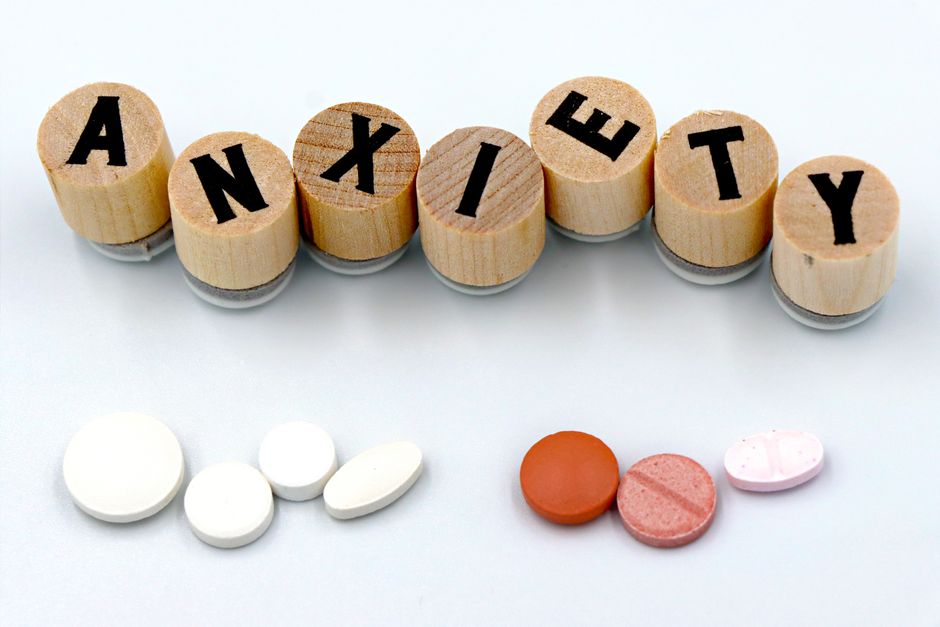
Almost everyone feels nervous before speaking in public or walking into a room full of strangers. Social anxiety is different. It is a recognized mental health condition in which everyday social situations cause intense fear, self-consciousness, and avoidance that interferes with work, school, or relationships. If that sounds familiar, you are not alone — and you are not simply shy.
Social anxiety disorder is one of the most common anxiety disorders. It usually begins in the teenage years, though many people do not get help until well into adulthood. The good news is that it responds well to treatment. The harder part is often recognizing it in yourself, because the symptoms can feel like a personal flaw rather than a medical condition.
What Is Social Anxiety Disorder?
Social anxiety disorder — also called social phobia — is a persistent, intense fear of being watched, judged, or negatively evaluated by other people.
The fear is out of proportion to the actual situation. A person with social anxiety might know logically that a casual lunch with coworkers is not dangerous. Their body and mind react as if it is. The distress is real, and it can be disabling.
This is where social anxiety differs from ordinary shyness. Shyness is a personality trait. It may feel uncomfortable, but it does not usually stop someone from living their life. Social anxiety is a clinical condition. It causes significant distress or makes it hard to function day to day.
The American Psychiatric Association recognizes social anxiety disorder as a distinct diagnosis. It can be specific — only about public speaking, for example — or generalized, meaning it affects a wide range of social situations.
Have I Got Social Anxiety? Signs to Look For
Social anxiety shows up in three main ways: what you feel, what you think, and what you do.
Physical symptoms include a racing heart, sweating, trembling, blushing, nausea, and difficulty catching your breath. These are the body’s stress response, sometimes called the fight-or-flight reaction, kicking in when there is no physical danger.
Cognitive symptoms are the thoughts. A person might worry for days before an event, replay conversations afterward, or assume that others are noticing every mistake. There is often a strong fear of embarrassment or humiliation.
Behavioral symptoms are the actions. This might mean avoiding situations entirely, leaving early, or enduring events with intense distress. Some people rely on alcohol or other substances to get through social situations, which can lead to separate problems.
A key sign is avoidance. If you find yourself regularly turning down invitations, making excuses, or arranging your life to minimize contact with people, that pattern is worth paying attention to.
How Is It Different From Just Being Shy?
Shyness and social anxiety can look similar from the outside. The difference is in intensity, duration, and impact.
Shy people may feel awkward around new people but warm up over time. They generally do not fear harsh judgment, and they do not organize their lives around avoiding social contact.
With social anxiety, the fear is persistent — typically lasting six months or more for a diagnosis — and it causes real problems. Someone might turn down a promotion because it involves presentations. A student might skip classes that require speaking up. The condition interferes with what the person wants to do.
Another difference is the level of self-awareness. Many people with social anxiety know their fear is excessive. That knowledge does not make it go away. This gap between knowing and feeling is part of what makes the condition so frustrating.





What Causes Social Anxiety?
There is no single cause. Social anxiety appears to develop from a mix of factors.
Genetics play a role. Anxiety disorders tend to run in families, suggesting an inherited vulnerability. Brain chemistry is also involved — particularly the systems that regulate fear and stress responses.
Life experiences matter too. People who experienced bullying, teasing, rejection, or humiliation may be more likely to develop the condition. Parenting style and early social environment can contribute, though they are not the whole story.
Temperament shows up early. Children who are behaviorally inhibited — meaning they are unusually fearful and withdrawn around unfamiliar people and situations — appear to have a higher risk of developing social anxiety later. Not every inhibited child develops it, and not everyone with social anxiety was an inhibited child.
What does not cause social anxiety: weakness, poor character, or a lack of willpower. It is not something a person can simply decide to get over.
When Should You Seek Help?
The right time to seek help is when social anxiety is affecting your life. There is no threshold you have to cross first.
Consider talking to a doctor or mental health professional if:
- You avoid social situations that matter to you
- The fear causes significant distress most days
- Your work, school, or relationships are suffering
- You use alcohol or drugs to cope with social situations
- You feel hopeless or have thoughts of harming yourself
If you have thoughts of suicide or self-harm, reach out for help right away. In the US, you can call or text 988 to reach the Suicide and Crisis Lifeline.
Many people wait years before seeking help, often because they assume their anxiety is just part of who they are. It is not. Social anxiety is treatable, and getting support earlier usually makes the process easier.
How Is Social Anxiety Treated?
Two approaches have the strongest evidence behind them: talk therapy and medication. They are often used together.
Cognitive behavioral therapy (CBT) is the most studied form of therapy for social anxiety. It helps people identify and challenge the thoughts that fuel their fear, and it often includes exposure — gradually facing feared situations instead of avoiding them. This is not about forcing yourself into something overwhelming. It is a structured, step-by-step process, usually guided by a trained therapist.
Medications can reduce symptoms. Certain antidepressants, including selective serotonin reuptake inhibitors (SSRIs), are commonly prescribed and have evidence supporting their use. Beta-blockers are sometimes used for performance-specific anxiety, such as public speaking, though the evidence for this is more limited than for SSRIs.
Benzodiazepines may be prescribed short-term in some cases, but they carry a risk of dependence and are generally not recommended for long-term use.
Lifestyle changes — regular exercise, good sleep, limiting caffeine — can support overall mental health. They are not a replacement for treatment when the condition is significant. No supplement or app has been shown in large trials to treat social anxiety disorder on its own.
What Can You Do Day to Day?
Self-help strategies are not a substitute for professional care, but they can support recovery.
Learning about the condition helps. Understanding that social anxiety is a recognized disorder — not a personal failing — can reduce shame, and shame often makes symptoms worse.
Practicing small social interactions, rather than avoiding all of them, can slowly reduce fear. This works best when done gradually and with support, ideally as part of a therapy plan.
Paying attention to physical health matters too. Sleep, movement, and limiting alcohol all affect how the body handles stress. These are general health measures, not treatments for the disorder itself.
It also helps to tell someone you trust. Isolation feeds anxiety. Even one honest conversation can make a difference.
The Bottom Line
If you are asking whether you have social anxiety, that question is worth taking seriously. The condition is common, it is real, and it is treatable. It is not something you have to manage alone or accept as permanent.
Start with a conversation — with a doctor, a therapist, or a trusted person in your life. That first step is often the hardest, and it is also the one that opens the door to feeling better.
Frequently Asked Questions
How do I know if I have social anxiety or just shyness?
Social anxiety causes significant distress or interferes with daily life, while shyness usually does not. If fear of judgment leads you to avoid situations that matter to you, it is worth talking to a professional.
Can social anxiety go away on its own?
Some people improve over time, but social anxiety often persists without treatment. Therapy and medication have the strongest evidence for helping people recover.
What is the most effective treatment for social anxiety?
Cognitive behavioral therapy is the most studied and well-supported form of therapy. Certain antidepressants, including SSRIs, also have evidence supporting their use, and the two are often combined.
Is social anxiety a real medical condition?
Yes. Social anxiety disorder is a recognized diagnosis in standard psychiatric references. It is not a character flaw or a sign of weakness.
