
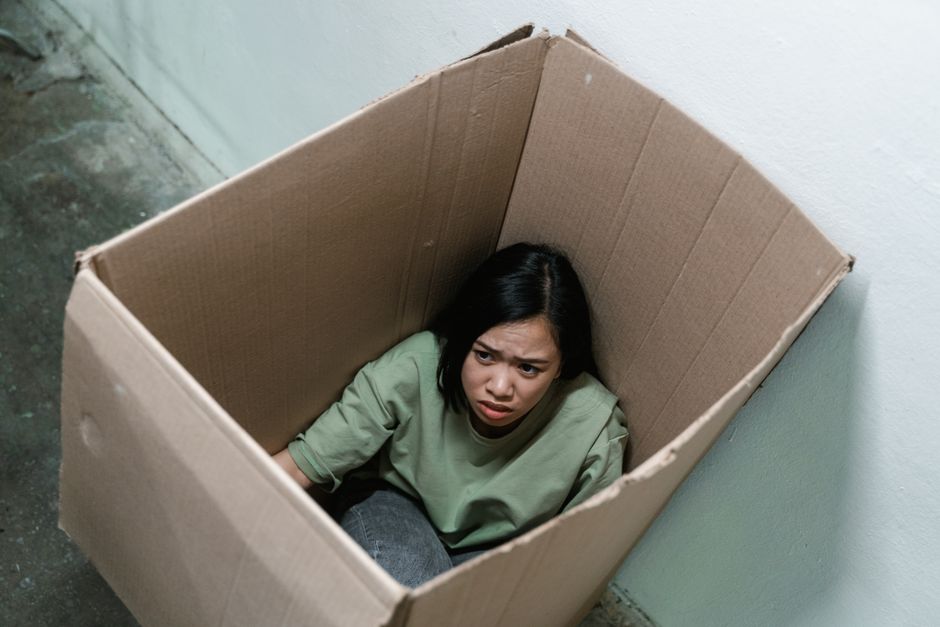
Social anxiety does not usually go away on its own. For some people, symptoms ease as they gain confidence and practice social situations. For many others, the fear stays the same or gets worse without help. Treatment works, and most people who get it see real improvement.
That answer matters because social anxiety is one of the most common mental health conditions. It is also one of the most treatable. The problem is that many people wait years before asking for help. Some never do. They assume they are just shy, or that they will grow out of it.
What Happens to Social Anxiety Without Treatment?
Untreated social anxiety tends to follow a pattern of avoidance. You feel anxious in a social situation. You avoid it next time. The avoidance brings short-term relief. That relief teaches your brain that the situation really was dangerous, so the fear grows.
This is not a character flaw. It is how avoidance works in the brain. Each time you escape a feared situation, you miss the chance to learn that nothing bad happened. The anxiety stays frozen in place.
Over time, the avoidance can spread. A person who fears work meetings may start avoiding work social events. Then casual conversations. The world gets smaller.
Some people do see symptoms fade. Social anxiety often begins in the teenage years. For a minority, it eases as they move into adulthood and their lives change. But research generally shows that without treatment, social anxiety tends to persist. It can also lead to other problems, including depression and substance use. Many people with social anxiety drink to cope with social situations, which raises the risk of alcohol problems.
How Common Is Social Anxiety and Who Gets It?
Social anxiety disorder affects a large share of adults. It typically starts in childhood or the teen years, often around age 13, and it usually shows up before age 20. It affects both men and women, though women are somewhat more likely to seek help.
There is a difference between shyness and social anxiety disorder. Shyness is a personality trait. It is uncomfortable but does not stop you from living your life. Social anxiety disorder is a clinical condition. The fear is intense, it lasts six months or longer, and it causes real distress or gets in the way of work, school, or relationships. That duration and impact are part of the official diagnostic criteria.
Many people with social anxiety never get diagnosed. They may not know their experience has a name. Or they may feel ashamed of needing help. That shame is often part of the condition itself.
What Does Treatment for Social Anxiety Actually Involve?
The two best-supported treatments for social anxiety are talk therapy and medication. Often they are used together. Both have been studied extensively, and both help many people.
Therapy
Cognitive behavioral therapy, or CBT, is the most studied psychological treatment for social anxiety. It works on two fronts. It helps you notice and challenge the thoughts that fuel the fear, such as “everyone is judging me” or “I will embarrass myself.” And it uses exposure, which means gradually facing the situations you avoid, starting with easier ones.
Exposure is the part that changes the brain. Avoidance keeps anxiety alive. Facing the situation, in small steps and without escaping, teaches your nervous system that the danger is not real. This is well established. The key is that exposure has to be gradual and repeated.
Some therapists use other approaches too, including mindfulness-based work and social skills training. Evidence for these is more mixed, though they can help some people.
Medication
Several medications are used for social anxiety. Selective serotonin reuptake inhibitors, or SSRIs, are often a first choice. They are also used for depression and other anxiety conditions. They usually take several weeks to work, and they are started and adjusted by a doctor.
Other options include serotonin-norepinephrine reuptake inhibitors and, in some cases, other medications a clinician may consider. Beta blockers are sometimes used for performance-only anxiety, such as public speaking, but they are not a standard treatment for the broader condition. This is an area where you should talk with a doctor rather than rely on general information.
Medication can reduce symptoms, but it does not teach new ways of thinking. Combining it with therapy often gives better results than either alone. That said, the evidence on combining treatments is not perfectly consistent, and your clinician will help you weigh the options.





Can Social Anxiety Go Away on Its Own?
For some people, symptoms do lessen over time. This is most likely when the anxiety is mild, when life circumstances change in helpful ways, and when a person gradually gains positive social experiences. A supportive friend, a new job, or a relationship can create natural exposure.
But relying on that is a gamble. There is no reliable way to predict who will improve without help and who will not. And waiting has a cost. The longer avoidance goes on, the more entrenched it becomes.
If social anxiety is causing distress or holding you back, that is reason enough to seek help. You do not need to wait until it is severe.
How Long Does Treatment Take to Work?
This varies a lot from person to person. CBT for social anxiety is often delivered in a set number of sessions, commonly somewhere in the range of 12 to 16 weekly sessions, though the exact number depends on the person and the therapist. Some people notice change within a few weeks. Others need more time.
Medication typically takes several weeks before the full effect is felt. Early side effects often fade, but this should be managed with a doctor, not by stopping on your own.
Improvement is usually gradual. It often comes from doing the hard thing repeatedly, not from a single breakthrough. Many people describe feeling more comfortable in situations that once felt impossible, even if some nervousness remains.
What If You Have Tried and It Did Not Help?
Not everyone responds to the first treatment they try. That does not mean nothing will work. It may mean the approach needs adjusting, the dose needs changing, or a different therapy is a better fit.
It also helps to be honest with your clinician about what is and is not working. Treatment for social anxiety is not one-size-fits-all. Some people need more sessions. Some need a different medication. Some benefit from a specialized program.
If you have been struggling, it is worth saying so plainly to a doctor or therapist. Social anxiety is a recognized condition with real, studied treatments. Asking for help is not a sign of weakness. It is the step that most reliably changes the outcome.
Frequently Asked Questions
Does social anxiety ever go away completely?
Some people see symptoms fade over time, especially when the anxiety is mild. For many, social anxiety persists without treatment, which is why professional help is worth considering.
Can social anxiety be cured without medication?
Yes, talk therapy such as cognitive behavioral therapy is a well-studied treatment and helps many people without medication. A clinician can help you decide what fits your situation.
How long does social anxiety last?
Without treatment, social anxiety often lasts for years and can become more entrenched through avoidance. With treatment, many people notice improvement over weeks to months, though timelines vary.
When should I see a doctor for social anxiety?
See a doctor or therapist when fear of social situations causes distress or interferes with work, school, or relationships. You do not need to wait until symptoms are severe to ask for help.
