
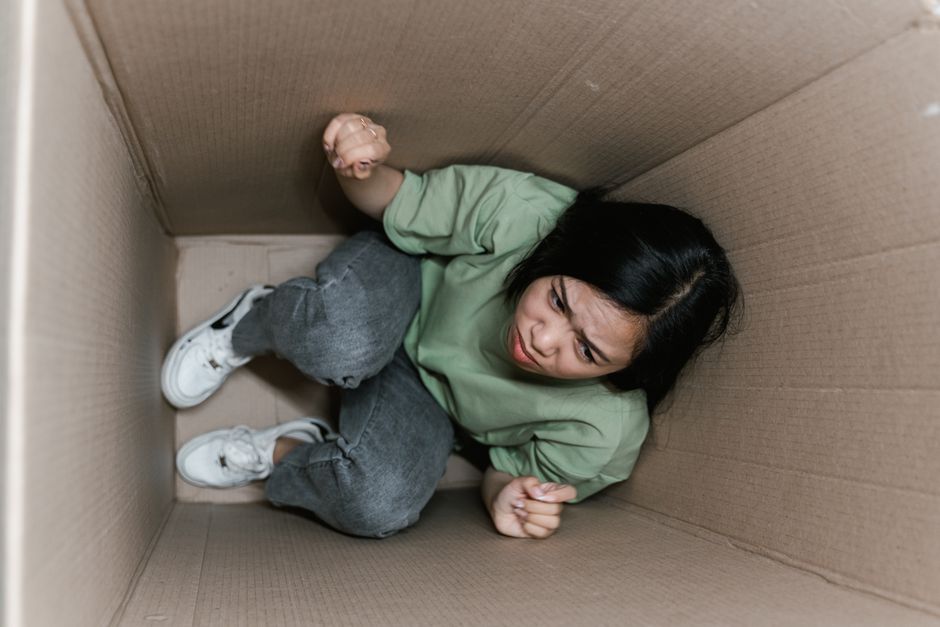
Social anxiety is one of the most common mental health conditions in the United States, and it is also one of the most treatable. The approaches with the strongest evidence are structured cognitive behavioral therapy, guided exposure to feared situations, and certain medications when symptoms are significant. Most people improve with the right combination — not by forcing themselves to “get over it.”
If you have ever skipped a party, stayed quiet in a meeting, or replayed a conversation for hours afterward, you know how exhausting this can be. Social anxiety is not shyness. It is a recognized condition that affects roughly 7 percent of American adults in any given year, according to the National Institute of Mental Health. The good news is that decades of research point to clear, practical paths forward.
What Is Social Anxiety, Exactly?
Social anxiety disorder is a persistent, intense fear of being watched, judged, or embarrassed in social situations. It goes beyond nervousness before a big presentation. The fear is out of proportion to the actual situation, it lasts six months or longer, and it interferes with daily life.
The condition usually starts in the teenage years, though it can begin earlier or later. It tends to run in families, and brain imaging studies show differences in how the amygdala — the brain’s threat-detection center — responds to social cues. That does not mean the brain is broken. It means the alarm system is calibrated too sensitively.
Common situations that trigger it include:
- Meeting new people or talking to strangers
- Speaking up in meetings or classrooms
- Eating, drinking, or writing in front of others
- Being the center of attention
- Making phone calls or attending appointments
Physical symptoms often show up first: racing heart, sweating, trembling, blushing, nausea, or a blank mind. These are real physiological responses, not weakness. The body is flooding with adrenaline in a situation it has mislabeled as dangerous.
How Do You Overcome Social Anxiety? What Actually Works
The strongest evidence supports a handful of approaches, and they work best together. No single method is a cure, and progress usually comes in steps rather than a single breakthrough.
Cognitive behavioral therapy (CBT) is the most studied treatment for social anxiety. It targets the thoughts and behaviors that keep the fear going. A therapist helps you notice automatic thoughts like “everyone will see I’m nervous” and test them against reality instead of accepting them as fact. CBT for social anxiety typically runs 12 to 16 sessions, though this varies by person and provider.
Exposure therapy is often built into CBT. It means gradually facing feared situations instead of avoiding them. Avoidance is the fuel that keeps social anxiety alive — every time you skip the call or leave the party early, your brain learns the situation really was dangerous. Exposure reverses that learning, one small step at a time. A therapist usually helps you build a ladder of situations from mildly uncomfortable to very hard, then work up.
Medication can help, particularly for moderate to severe symptoms. SSRIs and SNRIs are commonly prescribed and have the most supporting evidence. They take several weeks to work. Benzodiazepines may be used short-term in some cases, but they carry a risk of dependence and are generally not a first-line, long-term option. Any decision about medication belongs with a prescribing clinician who knows your history.
Some people also benefit from acceptance and commitment therapy (ACT), which focuses on making room for uncomfortable feelings rather than fighting them. The evidence for ACT in social anxiety is growing but smaller than for CBT.
Why Avoidance Makes It Worse
Avoidance feels like relief in the moment and works against you over time. This is one of the most important things to understand about social anxiety.
When you avoid a feared situation, two things happen. First, your anxiety drops immediately, which teaches your brain that avoidance works. Second, you never get the chance to learn that the situation was survivable and probably not as bad as you predicted. The fear stays frozen in place, untouched by reality.
There is a second pattern that keeps social anxiety going: safety behaviors. These are small things you do to feel less exposed — gripping a drink, rehearsing sentences in your head, staring at your phone, wearing clothes you hope will deflect attention. They seem harmless. In practice, they prevent you from learning that you could handle the situation without them. Dropping safety behaviors, gradually and with support, is often a key part of treatment.





What About Self-Help Strategies?
Self-help can be a real starting point, especially for milder symptoms. It is not a substitute for professional care when anxiety is significantly disrupting your life, but it can build momentum.
Structured self-help programs based on CBT principles have some research support. These typically include worksheets, thought records, and planned exposure exercises. Free and low-cost versions exist, and some are based on the same protocols used in therapy.
Practical steps that help:
- Start with small, repeatable exposures rather than the hardest situation first
- Stay in the situation long enough for anxiety to come down on its own
- Reduce safety behaviors one at a time
- Write down predictions before an event and check them against what actually happened
- Limit alcohol as a social crutch — it lowers anxiety briefly and tends to worsen it over time
Mindfulness and breathing techniques can reduce the physical edge of anxiety in the moment. They are useful tools. They are not a treatment for the underlying condition on their own.
When Should You Get Professional Help?
Consider professional support if social anxiety is affecting your work, relationships, education, or daily functioning — or if you are avoiding things you genuinely want to do. You do not need to hit a breaking point first.
Signs it may be time to talk to a clinician:
- You avoid social situations most days
- You drink or use substances to get through social events
- You feel depressed, hopeless, or isolated
- Anxiety is interfering with your job, school, or relationships
- Self-help efforts are not moving the needle
Social anxiety frequently occurs alongside depression, generalized anxiety, or substance use. A clinician can sort out what is going on and build a plan that fits. If you are having thoughts of harming yourself, contact the 988 Suicide and Crisis Lifeline by calling or texting 988.
How Long Does It Take to Improve?
Improvement is usually gradual, not sudden. Many people notice meaningful change within a few months of consistent CBT or medication, though this varies widely. Some feel better in weeks. Others need longer, or a different approach.
Setbacks are normal and do not mean treatment has failed. Anxiety often spikes during stressful life periods. The goal is not to never feel anxious — it is for anxiety to stop running your decisions. That shift is achievable for most people who get appropriate care.
One clarification worth making: overcoming social anxiety does not mean becoming an extrovert. Many people with social anxiety are naturally introverted, and that is not a problem to fix. The target is the fear and avoidance, not your personality.
Frequently Asked Questions
Can social anxiety go away without treatment?
For some people, symptoms lessen over time, especially with age and life experience. For others, it persists or worsens without support. Treatment reliably speeds up and improves outcomes.
Is medication or therapy better for social anxiety?
Both have supporting evidence, and combining them is often recommended for moderate to severe symptoms. The best choice depends on your symptoms, history, and preferences — a clinician can help you decide.
How do I stop avoiding social situations?
Start with small, manageable exposures and build up gradually rather than jumping into the hardest situation. Working with a therapist trained in exposure therapy tends to be more effective than going it alone.
Is social anxiety the same as being shy?
No. Shyness is a personality trait and does not usually disrupt daily life. Social anxiety disorder is a clinical condition involving intense fear, avoidance, and real interference with work, school, or relationships.
