
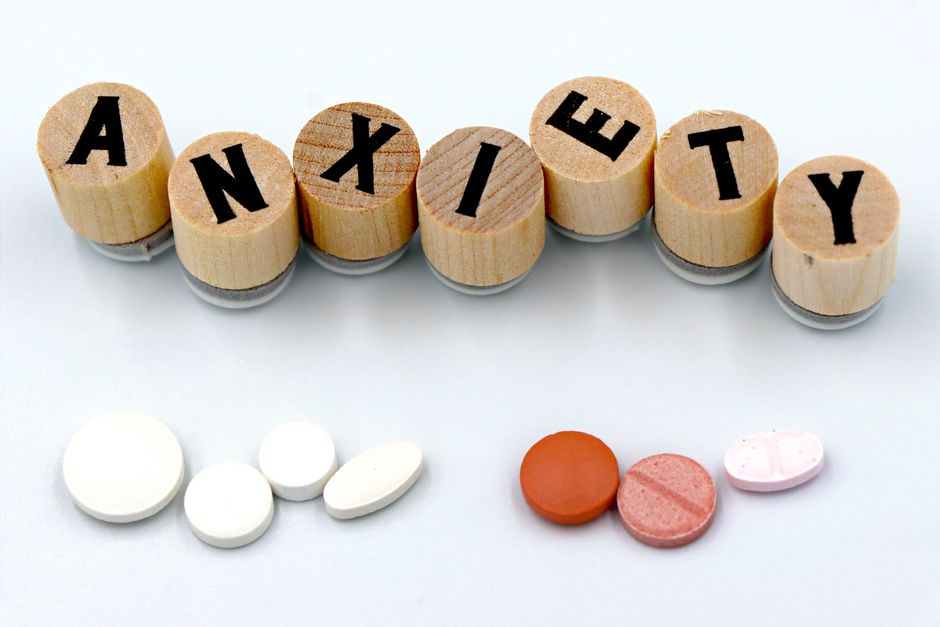
They are not the same thing, though they overlap closely. Anxiety is a broad category of disorders and symptoms. Social anxiety is one specific type within that category. You can have general anxiety without social anxiety, and you can have social anxiety without meeting criteria for a general anxiety disorder.
The confusion is understandable. Both involve worry, physical tension, and a sense of dread. But what triggers them, how they show up, and what helps are different enough that the distinction matters for getting the right support.
Is Anxiety And Social Anxiety The Same Thing?
No. Anxiety is the umbrella. Social anxiety is one condition under it.
When clinicians talk about anxiety, they usually mean a group of conditions listed in the Diagnostic and Statistical Manual of Mental Disorders, or DSM. That list includes generalized anxiety disorder, panic disorder, social anxiety disorder, separation anxiety disorder, and others. Each has its own criteria.
Social anxiety disorder has a specific trigger: situations where a person might be watched, judged, or evaluated by others. The fear centers on embarrassment, humiliation, or rejection. Generalized anxiety disorder, by contrast, involves persistent worry across many areas of life — health, money, work, family — not just social situations.
Someone with social anxiety may feel completely fine alone but become overwhelmed at a party. Someone with generalized anxiety may feel tense most days regardless of who is around. And some people have both.
What Does General Anxiety Actually Feel Like?
General anxiety is not just “feeling stressed.” It is a persistent state of worry that is hard to control and out of proportion to the actual situation.
People describe it as a background hum of dread that does not switch off. They may replay conversations, imagine worst-case scenarios, or feel physically tense without knowing why. Sleep is often disrupted. Concentration slips.
The body gets involved too. Anxiety activates the sympathetic nervous system — the same system that kicks in during a real threat. That activation can cause a racing heart, tight chest, sweating, stomach upset, and muscle tension. These are real physiological responses, not imagined ones.
For a diagnosis of generalized anxiety disorder, symptoms typically need to be present more days than not for at least six months and cause real distress or problems functioning. That timeline comes from established diagnostic criteria, not a rough estimate.
What Makes Social Anxiety Different?
Social anxiety is anxiety pointed at other people. The fear is specific and situational.
The core feature is intense fear of negative evaluation. A person worries they will say something stupid, look nervous, blush, or otherwise be judged. They may avoid speaking up in meetings, eating in front of others, or meeting new people entirely.
Physical symptoms often show up in social moments: blushing, trembling, sweating, a racing heart, or a blank mind. These symptoms can become part of the fear itself — the person worries about appearing anxious, which makes them more anxious.
Performance situations can be especially hard. Public speaking, job interviews, or even ordering food can trigger significant distress for some people. Others function well in familiar settings but struggle with strangers or authority figures.
Social anxiety is not the same as shyness. Shyness is a temperament trait. It can be uncomfortable but usually does not cause major disruption. Social anxiety disorder is a clinical condition that interferes with daily life, work, or relationships.





How Do The Two Overlap?
They overlap a lot. Many people have symptoms of both, and the conditions commonly occur together.
Someone with generalized anxiety may worry about social situations as part of their broader worry pattern. Someone with social anxiety may develop generalized worry about how their anxiety affects their life. The lines blur.
There is also a shared biology. Both conditions involve heightened activity in brain regions that process threat, including the amygdala. Both respond to similar neurotransmitters, which is why some of the same treatments are used for both.
But overlap does not mean sameness. A treatment that works well for one may need adjustment for the other. And the goals of treatment can differ — reducing overall worry versus reducing fear in specific social situations.
Can You Have Both At The Same Time?
Yes. Having more than one anxiety disorder at once is common.
Research consistently shows high rates of overlap among anxiety disorders. Someone with social anxiety disorder may also meet criteria for generalized anxiety disorder, panic disorder, or depression. This is called comorbidity, and it is the rule rather than the exception in clinical settings.
When conditions occur together, treatment usually addresses both. A clinician will assess which symptoms are most disruptive and tailor the approach. Sometimes treating one condition reduces symptoms of the other. Sometimes both need direct attention.
If you recognize yourself in more than one description, that is not unusual. It is also not a reason to self-diagnose. A proper evaluation can sort out what is actually going on.
How Are They Treated?
The main treatments for anxiety disorders are psychotherapy, medication, or a combination of both. This is well established across clinical guidelines.
Cognitive behavioral therapy, or CBT, is the most studied form of therapy for anxiety disorders. It focuses on identifying and changing thought patterns and behaviors that maintain anxiety. For social anxiety, a specific form called exposure therapy is often used. It involves gradually facing feared social situations rather than avoiding them.
Medications may include selective serotonin reuptake inhibitors, or SSRIs, and other classes. These are prescribed by a clinician and take time to work. They are not a quick fix, and they are not right for everyone.
What works for one person may not work for another. Response varies. Some people improve significantly with therapy alone. Others need medication. Many benefit from both.
Lifestyle factors can support treatment but do not replace it. Regular sleep, physical activity, and limiting alcohol may help reduce overall anxiety. They are not cures.
When Should You Talk To Someone?
If anxiety is interfering with your work, relationships, sleep, or daily functioning, that is a signal to seek help.
You do not need to wait until things are unbearable. Early support often makes a difference. A primary care doctor can be a starting point, or you can reach out to a licensed mental health professional directly.
If you are having thoughts of harming yourself, contact a crisis line or emergency services right away. In the US, you can call or text 988 to reach the Suicide and Crisis Lifeline.
Anxiety disorders are treatable. Many people improve with the right support. But getting that support starts with recognizing that what you are experiencing has a name — and that the name matters for getting the right kind of help.
Frequently Asked Questions
Is social anxiety a type of anxiety?
Yes. Social anxiety disorder is one specific anxiety disorder among several listed in standard diagnostic manuals. It falls under the broader category of anxiety disorders.
Can you have social anxiety without general anxiety?
Yes. Some people meet criteria for social anxiety disorder without meeting criteria for generalized anxiety disorder. The fear is limited to social or performance situations.
What is the main difference between anxiety and social anxiety?
General anxiety involves worry across many areas of life, while social anxiety centers on fear of judgment or embarrassment in social situations. The trigger is what separates them most clearly.
Do anxiety and social anxiety need different treatments?
They share many of the same treatments, including CBT and certain medications. However, social anxiety often includes exposure work focused on specific social situations.
