
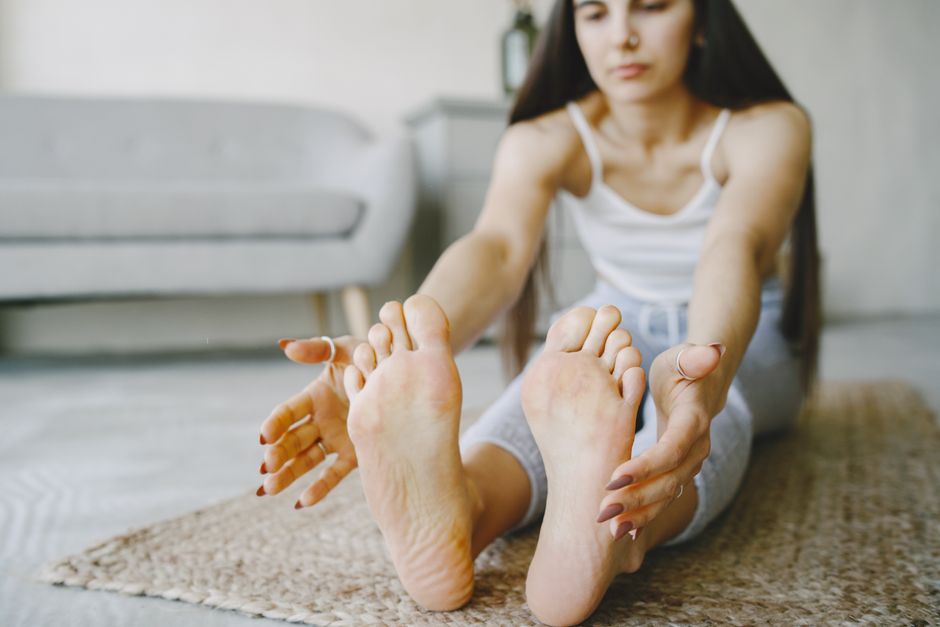
Yoga can improve circulation, but not in the dramatic, cure-all way social media often suggests. The clearest benefits come from two things yoga does well: it gets you moving, and it helps you relax. Movement pumps blood and works the muscles that help return blood to the heart. Relaxation lowers the stress response that can tighten blood vessels. What yoga does not do is replace treatment for a circulation disorder.
Does Yoga Improve Circulation And Blood Flow?
Yes, and the reasons are fairly ordinary. When you hold a pose or move through a sequence, your muscles contract and relax. That squeezing action helps push blood through the veins back toward the heart. Your heart rate also rises modestly during active styles, which increases how much blood your heart pumps out each minute. This is the same basic physiology behind walking, swimming, or any other movement.
The relaxation side matters too. Chronic stress triggers hormones that can narrow blood vessels and raise heart rate. Slow breathing and quiet poses appear to shift the nervous system toward a calmer state. Research on slow breathing and relaxation shows reductions in measures of sympathetic nervous system activity, though the size of these effects varies between people and studies.
Where people overreach is claiming yoga clears arteries, dissolves plaques, or fixes poor circulation in the legs. It does not. What it can do is support the same cardiovascular basics that any regular physical activity supports.
How Does Yoga Affect Blood Vessels And Blood Pressure?
Blood vessels respond to two opposing signals. The sympathetic nervous system tightens them. The parasympathetic nervous system and molecules like nitric oxide relax them. Yoga appears to nudge this balance in a favorable direction, mainly through stress reduction and gentle movement.
Nitric oxide deserves a mention because it is the body’s own vessel-widening molecule. The inner lining of your blood vessels, called the endothelium, produces it. Exercise of many kinds, including yoga, is associated with better endothelial function. This is one reason regular activity of almost any type tends to be linked with healthier blood pressure over time.
On blood pressure specifically, the evidence is real but modest. Reviews of yoga studies have generally found small average reductions in both systolic and diastolic blood pressure among people who practice regularly. These are not the large drops seen with blood pressure medication. They are closer to the kind of change seen with other forms of gentle exercise and stress management.
Some clinicians recommend yoga as one part of a broader plan for mildly elevated blood pressure. It is not a stand-alone treatment. Anyone with diagnosed hypertension should keep following their prescribed plan.
What About Yoga And Heart Health?
Regular physical activity of any kind is linked to lower risk of heart disease, and yoga counts as activity. The question is whether yoga specifically adds something beyond that.
Some studies suggest yoga may improve several heart-related risk factors at once, including blood pressure, cholesterol levels, and blood sugar control. The evidence is mixed, and many of these studies are small or short. Larger, longer trials are limited.
What is well established is that being inactive raises heart disease risk, and that meeting general physical activity guidelines lowers it. Yoga can be one way to be active, especially for people who dislike gyms or find high-impact exercise hard on their joints. That is a real and practical benefit.
One honest point: yoga is often gentle enough that it may not raise your heart rate as much as brisk walking, cycling, or swimming. If heart health is the goal, yoga works best alongside some moderate-intensity aerobic activity, not instead of it.




Does Yoga Help With Poor Circulation In The Legs?
For everyday leg heaviness and swelling from sitting or standing a lot, yoga can help. Poses that raise the legs, plus repeated ankle and calf movement, encourage blood to flow back up toward the heart. The calf muscles act like a pump, and moving them helps move blood that would otherwise pool.
For diagnosed peripheral artery disease, the picture changes. This condition involves narrowed arteries that reduce blood flow to the legs, causing pain with walking. The established first-line treatment is supervised exercise therapy and medical management, not yoga specifically. Some people with mild peripheral artery disease may benefit from gentle yoga as part of a broader activity routine, but it is not a proven substitute for the treatments that have been studied for this condition.
If you get cramping, cold feet, or pain in your legs when you walk that eases with rest, see a clinician. That pattern can signal a circulation problem that needs proper evaluation.
Which Types Of Yoga Are Best For Circulation?
More active styles tend to move blood more than gentle ones. The table below compares common styles by how much they typically raise heart rate and work the muscles.
| Style | Typical Intensity | Circulation Effect |
|---|---|---|
| Vinyasa / flow | Moderate | Continuous movement raises heart rate and works large muscles |
| Power yoga | Moderate to vigorous | Higher heart rate, closer to aerobic exercise |
| Hatha (gentle) | Light | Modest movement, more focus on breathing and calm |
| Restorative / yin | Very light | Little heart rate change; mainly relaxation |
| Chair yoga | Light | Good for limited mobility; gentle muscle and joint movement |
If your main goal is circulation through movement, a flowing or power style will do more than a restorative class. If your goal is stress reduction, the gentler styles still help, because the calm-down effect is a genuine part of how yoga supports circulation.
Inversions, where the legs are above the heart, are often marketed as a way to boost blood flow to the brain. The effect is brief and the evidence for lasting benefit is thin. Do not treat them as a therapy.
Is Yoga Safe If You Have A Circulation Problem?
For most healthy adults, yoga is low risk. The main injuries come from pushing too hard into poses, especially in the neck, lower back, and wrists.
Certain people should check with a clinician first:
- Anyone with diagnosed heart disease, uncontrolled high blood pressure, or a recent heart event
- People with peripheral artery disease or a history of blood clots
- Anyone taking blood-thinning medication
- People with glaucoma or eye conditions, since some inverted poses raise pressure inside the eye
- Pregnant women, who should avoid certain poses and deep twists
For these groups, no single set of clinical guidelines covers yoga specifically. A qualified instructor and a conversation with your doctor are the sensible steps. If a pose causes pain, dizziness, or shortness of breath, stop.
How Often Do You Need To Practice?
General physical activity guidelines for adults call for at least 150 minutes of moderate activity per week, plus muscle-strengthening activity on two or more days. Yoga can count toward both, depending on the style.
For circulation and heart benefits, consistency matters more than intensity. A few sessions a week of active yoga, combined with walking or another aerobic activity, is a reasonable pattern. There is no established yoga-specific dose that has been proven to improve circulation on its own, so treat the general activity guidelines as your guide.
One clarification worth knowing: the blood flow boost from a single session is temporary. It lasts while you are moving and for a short time after. The longer-term benefits come from practicing regularly over weeks and months, the same way they do with any exercise.
Frequently Asked Questions
Does yoga actually improve blood circulation?
Yes, mainly through muscle movement that helps push blood back to the heart and through stress reduction that relaxes blood vessels. The effect is real but modest, similar to other gentle exercise.
Can yoga lower blood pressure?
Reviews of yoga studies have found small average reductions in blood pressure among regular practitioners. These are smaller than the effects of blood pressure medication and do not replace prescribed treatment.
Is yoga good for poor circulation in the legs?
It can help with everyday leg heaviness and swelling by moving the calf muscles and raising the legs. For diagnosed peripheral artery disease, supervised exercise therapy and medical care remain the established treatment.
How long does the circulation boost from yoga last?
The increase in blood flow lasts during the session and briefly after. Lasting benefits come from practicing regularly over weeks and months, not from a single class.
