
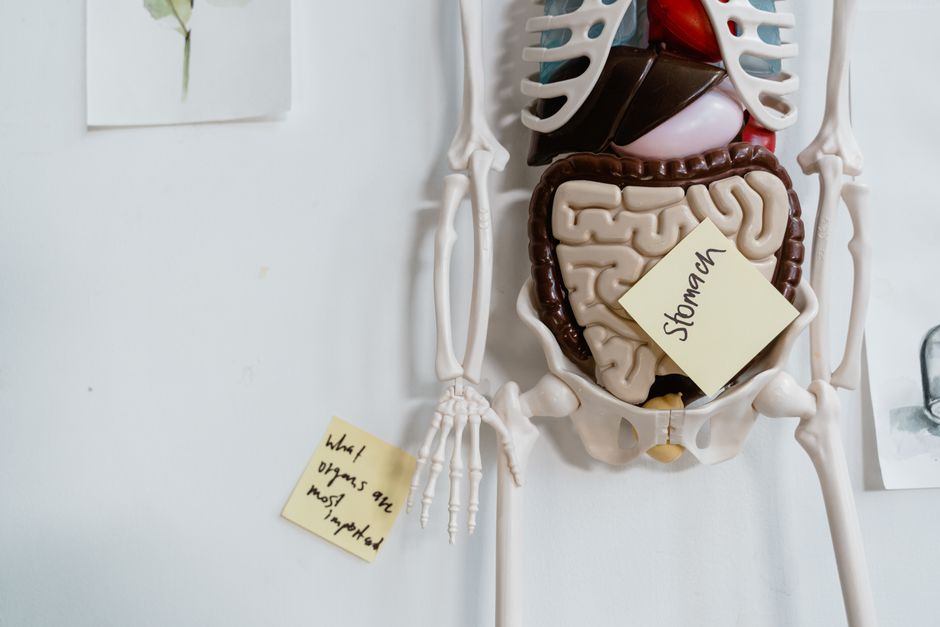
Yes, working out can help reduce bloating for many people. Exercise helps move gas through your digestive tract and can relieve the feeling of fullness. But not all exercises help equally, and some may even make bloating worse if done too soon after eating or at too high an intensity.
How Does Exercise Affect Bloating?
Bloating happens when gas builds up in your stomach or intestines. This can come from swallowing air, eating certain foods, or digestive issues like slow gut movement. Exercise speeds up the movement of food and gas through your intestines. This is called gastric motility.
Physical activity also reduces stress. Stress can slow digestion and make bloating worse. When you exercise, your body releases natural chemicals that relax you. This can help your digestive system work better.
Another mechanism: core and abdominal contraction during exercise may physically help push gas along. This is not strongly proven in large studies, but many people feel relief after a short walk or gentle movement.
What Types of Exercise Help Reduce Bloating?
Gentle, low-intensity exercise is usually best when you are bloated. Research suggests that walking, light jogging, and yoga can help reduce bloating symptoms. A study published in the American Journal of Gastroenterology found that walking improved gas clearance in people with bloating.
Yoga poses that involve twisting or knee-to-chest positions can also help. These poses gently compress the abdomen and may encourage gas movement. Poses like child’s pose, happy baby, and seated twists are commonly recommended.
Cycling and swimming are other good options. They keep you upright or horizontal without jarring your gut. The key is to avoid high-intensity or bouncy movements when you feel bloated, as these can make you feel worse.
Can Exercise Make Bloating Worse?
Yes, in some cases exercise can increase bloating. High-intensity workouts like running, jumping rope, or heavy weightlifting can cause you to swallow air (aerophagia). This adds more gas to your stomach.
Exercise also diverts blood away from your digestive system toward your muscles. When blood flow to the gut decreases, digestion slows down briefly. For some people, this can cause temporary bloating or discomfort during or right after a workout.
If you eat a large meal right before exercising, the combination of food in your gut and reduced blood flow can make bloating worse. Timing matters. Exercising on an empty stomach or after a light snack is less likely to cause problems.




Does Working Out Help with Bloating After Eating?
A short walk after a meal is one of the best ways to reduce bloating. Many people find that a 10 to 15 minute easy walk helps them feel less full after a large meal. Some evidence shows that walking after eating improves gastric emptying — the speed at which food leaves your stomach.
A 2021 study in the journal Nutrients looked at the effect of short walks after meals. It found that walking 10 to 15 minutes after eating significantly reduced bloating and gas in people with digestive complaints. But this is a small study, and more research is needed to confirm the effect in the general population.
Yoga poses like cat-cow or gentle twists can also help after a meal if you feel bloated. Avoid inversions or lying flat right after eating, as these can cause reflux in some people.
How Soon After Eating Should You Exercise?
Clinical guidelines generally recommend waiting 1 to 2 hours after a full meal before doing vigorous exercise. For a light snack, 30 minutes may be enough. Waiting allows your stomach to start emptying and reduces the risk of bloating, cramping, or reflux.
If your goal is to reduce bloating specifically, a gentle walk immediately after eating is usually safe and may help. But if you plan to run or lift weights, give yourself more time. Everyone is different. Some people digest faster than others. Pay attention to how you feel and adjust accordingly.
When to See a Doctor About Bloating
Occasional bloating after meals is normal. But if bloating is severe, persistent, or comes with other symptoms like pain, weight loss, diarrhea, or constipation, see a doctor. Bloating can be a sign of an underlying condition such as irritable bowel syndrome, celiac disease, or small intestinal bacterial overgrowth (SIBO).
Exercise may help manage bloating, but it is not a treatment for these conditions. If your bloating does not improve with lifestyle changes, or if it gets worse, a medical evaluation is needed. Do not assume more exercise will fix the issue.
Frequently Asked Questions
Does walking help with bloating?
Yes, walking is one of the most effective exercises for bloating. A gentle 10–15 minute walk can help move gas through your digestive tract and relieve fullness.
Can exercise cause bloating?
Yes, especially high-intensity exercise or workouts done too soon after a meal. Swallowing air during heavy breathing or running can also add gas to your stomach.
Is it okay to workout when bloated?
Yes, as long as you choose low-impact activities like walking, yoga, or light cycling. Avoid intense exercise that jars your body or causes you to breathe heavily.
How long after eating should I exercise to avoid bloating?
Wait 1 to 2 hours after a full meal before vigorous exercise. For a light snack, 30 minutes is usually enough. Listen to your body and adjust.
