
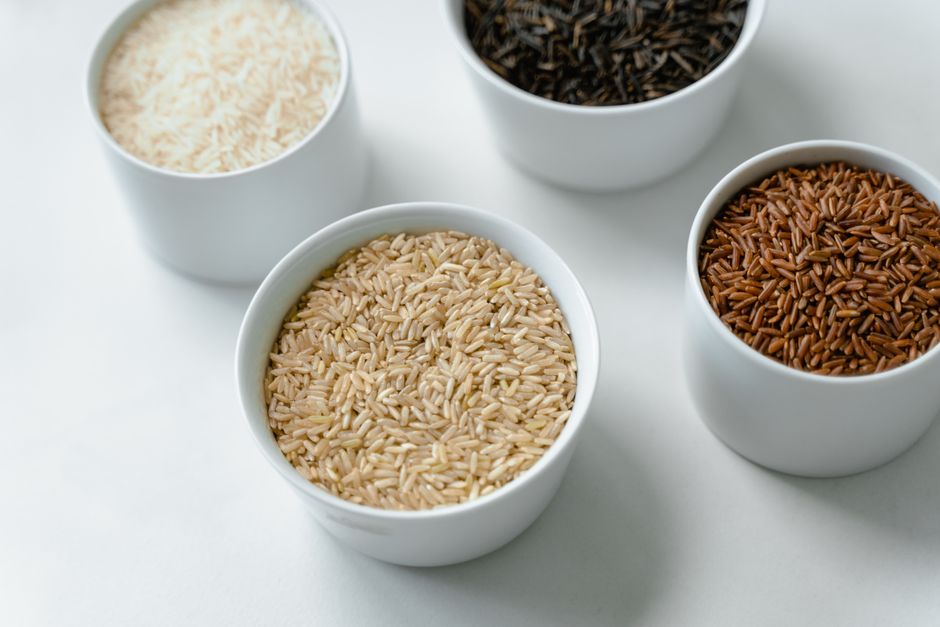
White rice is a staple food for billions of people, but for some, eating it leads to an uncomfortable, swollen belly. The short answer is that white rice is not a common trigger for bloating, and for most people, it is actually easier to digest than many other carbohydrate sources. However, bloating after eating white rice can happen, and when it does, the cause is usually related to how the rice is prepared, what is added to it, or an underlying digestive condition rather than the rice grain itself.
Why White Rice Is Usually Easy on the Stomach
White rice is a refined grain. The milling process removes the bran and the germ, leaving mostly the endosperm. This matters for digestion because the bran and germ contain most of the fiber and some of the compounds that can be harder for the gut to break down.
Fiber is generally good for you, but it can also cause gas and bloating in sensitive people. Because white rice has very little fiber, it passes through the digestive tract more quickly and produces less gas during fermentation in the colon. This is why white rice is often included in the BRAT diet, a bland-food approach sometimes used for upset stomachs and diarrhea.
For the vast majority of people, plain cooked white rice is one of the least likely foods to cause bloating. If you are bloated after a rice-based meal, the more likely culprit is something else on the plate.
Does White Rice Cause Bloating or Is It the Additives?
Ask yourself what you ate with the rice. Rice is rarely eaten alone. Soy sauce, fried rice oil, garlic, onions, and spicy sauces are all far more likely to cause bloating than the rice itself.
Sodium is a major factor. High-sodium foods cause the body to retain water, which can feel exactly like bloating. A serving of soy sauce contains a significant amount of sodium, and restaurant fried rice is often loaded with salt and MSG. If you notice bloating after takeout fried rice but not after plain rice cooked at home, the sodium and fat content are the most probable explanation.
Another common addition is sugar. Many teriyaki and stir-fry sauces contain added sugar, which can feed gut bacteria and produce gas. The rice is the vehicle, but the sauce is the problem.
When Rice Itself Might Cause Bloating
There are a few situations where white rice can genuinely contribute to bloating. These are less common but worth understanding.
One issue is resistant starch. When cooked rice is cooled and refrigerated, some of its starch changes structure and becomes resistant to digestion. This is actually a positive for blood sugar control, but resistant starch travels to the colon where bacteria ferment it, producing gas. If you eat cold rice salad or leftover rice straight from the fridge, you may experience more bloating than you would with freshly cooked rice. Reheating the rice reverses most of this effect.
Portion size matters too. A large serving of any carbohydrate can cause a feeling of fullness that people describe as bloating. Rice expands in the stomach, and eating several cups in one sitting can stretch the stomach wall. This is not gas-related bloating; it is physical fullness. The distinction matters because the remedy is different. Physical fullness resolves with time and is not a sign of intolerance.



The Link Between White Rice and Gut Bacteria
Some research suggests that the type of carbohydrates in rice may influence gut bacteria. White rice is mostly starch, which is broken down and absorbed in the small intestine. Very little reaches the colon intact. This means white rice does not significantly feed the gas-producing bacteria in the lower gut.
Brown rice, by contrast, contains more fiber and other carbohydrates that reach the colon intact. For some people, this causes more gas than white rice. If you have switched from brown rice to white rice and still feel bloated, the rice is probably not the issue.
There is also a lesser-known condition called SIBO, or small intestinal bacterial overgrowth. In SIBO, bacteria that normally live in the colon migrate up into the small intestine where they do not belong. When these bacteria ferment carbohydrates in the small intestine, it causes bloating, gas, and pain. People with SIBO often react to many carbohydrate foods, including rice, even though rice is generally considered low in fermentable compounds. If you consistently bloat after eating rice and many other foods, this is worth discussing with a doctor.
How to Tell If Rice Is Actually the Problem
The most reliable way to know if white rice causes bloating for you is to test it in isolation. This is a simple elimination approach.
Eat a plain serving of white rice with nothing added. No salt, no butter, no sauce. Wait three to four hours and note any bloating. If you feel fine, the rice is not your trigger. If you bloat, try the same test with a different brand or type of rice, because processing methods vary.
Here are some practical steps to reduce the chance of bloating after eating rice:
- Rinse the rice thoroughly before cooking to remove surface starches
- Avoid adding salt, butter, or oil during cooking
- Eat rice freshly cooked rather than cold
- Keep portions moderate, about one cup cooked per serving
- Chew thoroughly to begin starch digestion in the mouth
If you bloat after rice every time, even when plain and freshly cooked, consider whether you have a broader carbohydrate intolerance. Lactose intolerance, fructose malabsorption, and other conditions can cause bloating after many meals, and rice may simply be present at those meals rather than causing them.
White Rice vs. Other Grains for Bloating
Comparing white rice to other common grains helps put the question in perspective.
| Grain | Fiber Content | Likelihood of Causing Gas |
|---|---|---|
| White rice | Very low | Low |
| Brown rice | Moderate | Moderate |
| Whole wheat bread | Moderate to high | Moderate to high |
| Beans and lentils | Very high | High |
| Oats | Moderate | Low to moderate |
This comparison shows that white rice is on the low end of the gas-producing spectrum. The foods most commonly associated with bloating are beans, cruciferous vegetables like broccoli and cabbage, and high-fiber whole grains. White rice does not fit that pattern.
For people with irritable bowel syndrome, or IBS, the picture is more complex. Some people with IBS react to a group of carbohydrates called FODMAPs. White rice is low in FODMAPs, which is why it is a safe choice during the elimination phase of the low-FODMAP diet. If you have been told to follow a low-FODMAP diet for IBS, white rice is one of the foods you are generally allowed to eat freely.
What to Do If You Still Bloat After Eating Rice
If you have ruled out additives, portion size, and cold rice, and you still experience bloating, it is reasonable to look at other factors in your digestive health.
Eating speed is a common and overlooked cause. Swallowing air while eating quickly can cause bloating that has nothing to do with the food itself. If you eat rice with chopsticks or a spoon while also talking, working, or watching television, you may be swallowing more air than you realize.
Digestive enzyme levels decline with age for some people. Salivary amylase, the enzyme that breaks down starch in the mouth, is the first step in rice digestion. If you do not chew rice thoroughly, more starch reaches the stomach and small intestine intact, which can cause gas as bacteria attempt to break it down.
There is also a difference between how white rice is processed in different regions. Parboiled rice, also called converted rice, is steamed before milling, which changes its starch structure. Some people find parboiled rice easier to digest, while others find it more difficult. Jasmine and basmati rice have different starch profiles than short-grain sushi rice, and these differences can affect digestion in sensitive individuals.
Frequently Asked Questions
Is white rice hard on the digestive system?
No, white rice is generally one of the easiest foods to digest because it is low in fiber and does not require significant fermentation in the colon. Most digestive issues with rice come from added ingredients, not the rice itself.
Why do I feel bloated after eating rice and chicken?
The chicken is likely not the problem, but the cooking method and seasonings may be. Fried chicken, teriyaki sauce, garlic, onion powder, and high-sodium marinades are all more common causes of bloating than plain rice and plain chicken.
Does rinsing rice before cooking help with bloating?
Rinsing rice removes surface starches and some processing residue, which can help reduce gas in sensitive people. It is a simple step that costs little time and may make a meaningful difference for some individuals.
Is brown rice more likely to cause bloating than white rice?
Yes, brown rice is more likely to cause bloating because it retains its bran layer, which is high in fiber. Fiber reaches the colon intact and ferments there, producing gas as a byproduct.
