
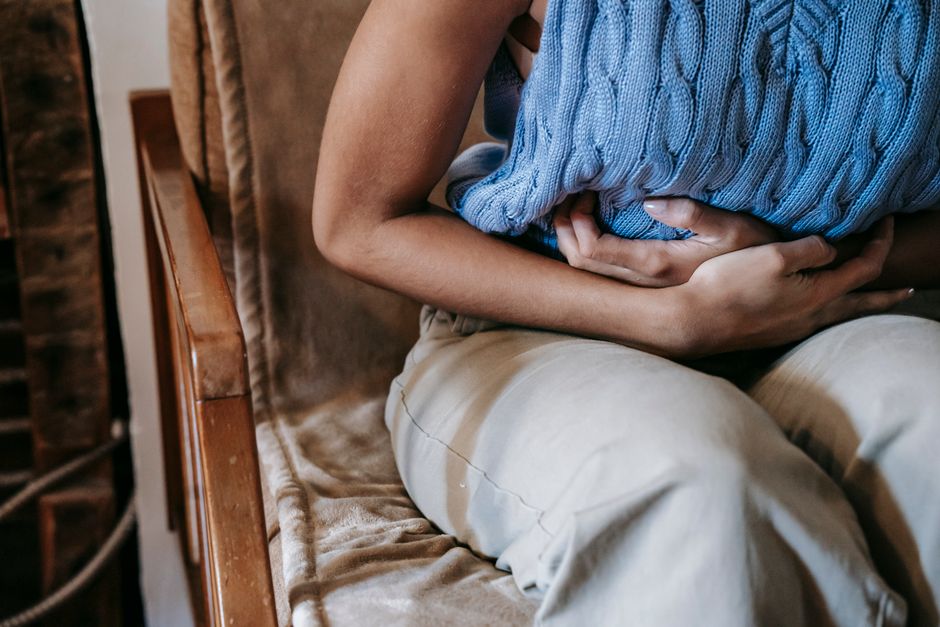
A heating pad is a simple, drug-free tool that many people reach for when their stomach feels tight, swollen, or uncomfortable. The short answer is yes, a heating pad can help with bloating for many people, though it treats the sensation and some contributing factors rather than the underlying cause. Heat therapy works by relaxing the muscles of the abdominal wall and encouraging blood flow, which can ease the cramping and pressure that often accompany bloating. It is not a cure for digestive disorders, but it is a legitimate and widely used method for temporary symptom relief.
How Does Heat Affect the Digestive System?
Heat has a direct effect on the tissues of your abdomen. When you apply warmth to the skin over your stomach, the blood vessels in that area widen. This process, called vasodilation, increases blood flow to the region. More blood flow means more oxygen and nutrients reach the muscles and tissues, which helps them relax.
Bloating often involves a buildup of gas in the intestines, which stretches the intestinal walls and the muscles of the abdomen. That stretching triggers pain receptors. The heat from a heating pad does not remove the gas, but it does calm the muscles that are reacting to the pressure. Relaxed muscles are less likely to spasm or feel painfully tight.
Heat also activates certain nerve pathways. Warmth on the skin sends signals to the spinal cord and brain that can reduce the perception of pain. This is part of why a heating pad feels soothing even when the underlying issue has not changed.
Does Heating Pad Help Bloating From Gas?
Yes, for gas-related bloating, a heating pad can be particularly helpful. Gas bloating happens when gas accumulates in the digestive tract faster than it can be passed. The trapped gas stretches the intestines, which creates that full, tight feeling.
Heat does not dissolve gas. However, the relaxation it promotes in the abdominal muscles can help the body move gas along more easily. Some research and clinical observations suggest that warmth can stimulate peristalsis, which is the wave-like contraction of the intestines that moves contents forward. When the gut wall is relaxed and blood flow is improved, the natural process of passing gas can feel less painful.
For many people, combining a heating pad with gentle movement, such as walking, is more effective than either alone. Light activity also encourages peristalsis, and the heat keeps the muscles from tightening up as you move.
What Types of Bloating Respond Best to Heat?
Heat is most effective for bloating that comes from muscle tension or mild digestive slowing. This includes bloating from overeating, constipation, or normal hormonal shifts.
Menstrual bloating is one of the most common reasons people use a heating pad. The same heat that helps uterine cramps also relaxes the surrounding abdominal muscles. Many women report that heat is one of the most reliable tools for period-related bloating and discomfort.
Bloating from constipation also responds well to heat. When stool moves slowly through the colon, gas builds up behind it. Heat relaxes the colon wall, which can reduce the pressure and discomfort while you wait for a bowel movement.
Heat is less likely to help with bloating caused by significant inflammation, such as an active flare of inflammatory bowel disease. In those cases, heat may still feel soothing, but it will not address the inflammation driving the bloating.





How Long Should You Use a Heating Pad for Bloating?
There is no single official guideline for how long to use a heating pad for bloating. Most clinicians suggest using it in sessions of 15 to 20 minutes at a time. This is long enough to achieve muscle relaxation and pain relief without risking skin damage.
You can repeat the session after a break if symptoms persist. It is important to let the skin cool down between sessions. Prolonged exposure to heat, especially on the same spot, can cause a condition called erythema ab igne, which is a skin rash from chronic heat exposure. This is more of a concern with daily, long-duration use over weeks or months, but it is worth keeping in mind.
Always place a cloth or towel between the heating pad and your bare skin. Modern heating pads often have an auto-shutoff feature, which is a useful safety measure. If your pad does not have one, set a timer so you do not fall asleep with it on.
When Is a Heating Pad Not the Right Choice?
Heat is not appropriate for every type of abdominal pain. If your bloating is accompanied by a fever, severe pain, vomiting, or blood in your stool, do not use a heating pad as a substitute for medical care. These symptoms can indicate a serious condition such as appendicitis, a bowel obstruction, or an infection.
In cases of acute inflammation, heat can sometimes make things worse. For example, if you have a condition like acute pancreatitis or a gallbladder attack, heat may increase blood flow to an already inflamed organ and intensify the pain. If the pain is sharp, constant, or worsening, skip the heating pad and contact a healthcare provider.
Heat should also be avoided if you have reduced sensation in your skin or if you are unable to feel if the pad is too hot. This includes people with certain types of nerve damage or diabetes-related neuropathy. The same applies to infants or elderly individuals who may not be able to communicate that the heat is uncomfortable.
Other Methods That Work Alongside Heat
A heating pad works best when it is part of a broader approach to bloating. Gentle movement, such as walking or stretching, supports the digestive process. Deep breathing exercises can also help because they activate the diaphragm, which massages the abdominal organs.
Dietary changes address the root cause of bloating. Eating slowly, avoiding carbonated drinks, and limiting foods that are known to cause gas, such as beans, broccoli, and cabbage, can reduce the frequency of bloating episodes. Some people find that reducing artificial sweeteners or dairy helps, depending on their individual sensitivities.
Hydration matters too. Drinking water helps keep the digestive tract moving. It does not flush out gas, but it supports overall bowel function, which can prevent the constipation that often leads to bloating.
Over-the-counter remedies like simethicone, which helps gas bubbles combine into larger ones that are easier to pass, can be used alongside a heating pad. There is no known interaction between heat therapy and these products.
What the Research Actually Shows
Clinical research specifically on heating pads for bloating is limited. Most of what we know comes from studies on heat therapy for abdominal pain and menstrual cramps, where heat has been shown to be effective. Research on heat for menstrual pain has found that it can be as effective as some over-the-counter pain medications for reducing discomfort.
The mechanism of heat therapy is well understood. Heat relaxes smooth muscle, which is the type of muscle found in the intestinal walls. It also increases blood flow and alters pain signaling. These established physiological effects support the use of heat for bloating, even if large-scale trials on bloating specifically have not been conducted.
Some research suggests that heat can reduce the sensitivity of pain receptors in the gut. This is relevant for people with conditions like irritable bowel syndrome, where the intestines are unusually sensitive to stretching and gas. Heat does not change the amount of gas, but it may reduce how much that gas bothers you.
The honest position is that the evidence for heat on bloating is largely indirect. It is based on strong evidence for heat on muscle relaxation and pain, combined with the known mechanics of bloating. This is enough to recommend it as a safe, reasonable home remedy, but not enough to call it a medically proven treatment for bloating.
Safety Tips for Using a Heating Pad
Choose a heating pad with an automatic shutoff if you can. This reduces the risk of burns if you fall asleep or forget to turn it off.
- Always use a barrier, such as a thin towel, between the pad and your skin.
- Use the lowest setting that provides relief. More heat is not better.
- Limit sessions to 15 to 20 minutes with breaks in between.
- Do not use a heating pad on an area with an open wound or rash.
- Do not use a heating pad while sleeping unless it has a reliable auto-shutoff.
- Avoid using heat if you are pregnant and have any concerns, unless your healthcare provider has approved it.
If a heating pad makes your pain worse, stop using it. Pay attention to how your body responds. Some people find that heat aggravates certain types of abdominal pain, particularly if inflammation is present.
Frequently Asked Questions
Can a heating pad make bloating worse?
In some cases, yes, particularly if the bloating is caused by significant inflammation. If heat increases your pain rather than easing it, stop using it and consider speaking with a healthcare provider.
How long does it take for a heating pad to relieve bloating?
Most people feel some relief within 10 to 15 minutes of applying heat. The effect is temporary and usually lasts for a short time after the heat is removed.
Is it safe to sleep with a heating pad on my stomach?
No, unless your heating pad has a reliable automatic shutoff feature. Falling asleep with a heating pad on your skin can cause burns.
Does a heating pad help with bloating from irritable bowel syndrome?
It can help with the discomfort associated with IBS bloating, but it does not treat the underlying condition. Heat reduces muscle tension and pain perception, which can make the bloating sensation more bearable.
