
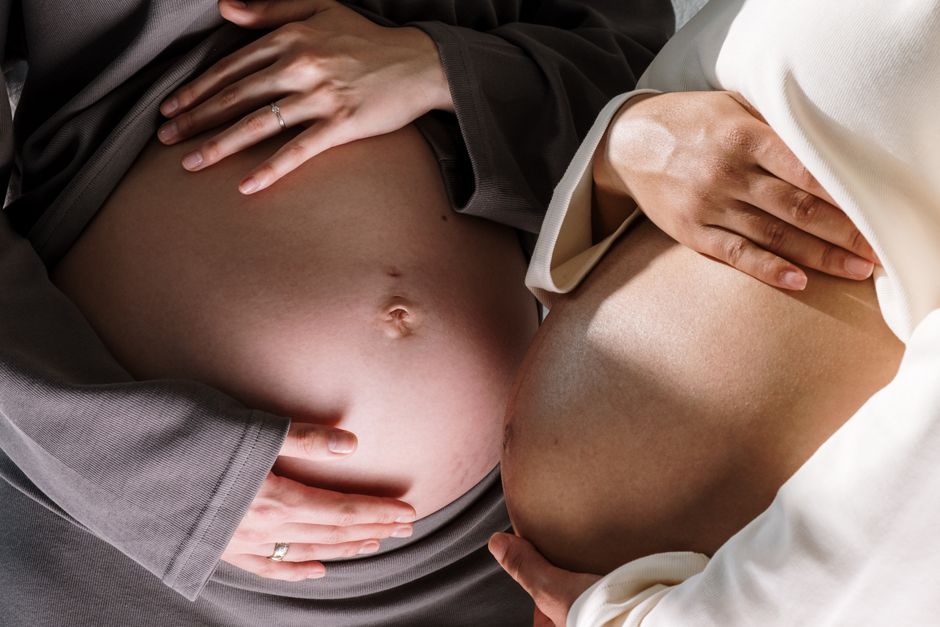
Valacyclovir is a common antiviral medication used to treat herpes infections, including genital herpes and cold sores. If you are pregnant and have herpes, you might wonder if taking valacyclovir is safe for your baby. Research shows that valacyclovir is generally considered safe to use during pregnancy, and for many women, the benefits of controlling a herpes outbreak outweigh the very small potential risks. The medication helps prevent dangerous outbreaks near delivery that could lead to passing the virus to your newborn, which is a serious condition called neonatal herpes.
What Is Valacyclovir and Why Is It Used During Pregnancy?
Valacyclovir is an antiviral drug that stops the herpes simplex virus from multiplying. Doctors prescribe it to treat outbreaks of genital herpes, cold sores, and shingles. For pregnant women, the main concern is genital herpes. If a woman has an active outbreak or signs of viral shedding during labor, the baby can be exposed to the virus during birth. This can lead to neonatal herpes, a rare but severe infection that can cause brain damage or death. The CDC reports that neonatal herpes occurs in about 1 in 3,200 to 1 in 10,000 births in the United States.
To reduce this risk, doctors often prescribe valacyclovir late in pregnancy, typically starting around 36 weeks. This is called suppressive therapy. It lowers the chance of having an outbreak at delivery, which makes a cesarean section (C-section) less likely. The American College of Obstetricians and Gynecologists (ACOG) recommends suppressive therapy for pregnant women with a history of genital herpes. This is standard care, not experimental treatment.
Does Valacyclovir Affect Pregnancy Outcomes?
The short answer is that large studies have not found a clear link between valacyclovir and major birth defects or pregnancy complications. The most significant research comes from the Antiviral Pregnancy Registry, which tracks outcomes in women exposed to antiviral drugs during pregnancy. Data from this registry, along with studies published in journals like the New England Journal of Medicine, show that the rate of birth defects in infants exposed to valacyclovir in the first trimester is similar to the general population rate of about 3 percent.
Some studies suggest a very small increase in certain defects, like gastroschisis (a hole in the abdominal wall), but the numbers are tiny and the finding is not consistent across research. For example, one study found 2 cases of gastroschisis among 1,800 exposed babies, which is slightly higher than expected but still rare. Most experts, including the CDC, do not consider this a strong enough signal to avoid the drug. The risk of untreated herpes—both to the mother and baby—is much more clear and dangerous than any potential medication risk.
What Does Research on Valacyclovir and Pregnancy Show?
Research on valacyclovir and pregnancy falls into two categories: studies on birth defects after first-trimester exposure and studies on outcomes after third-trimester use. For first-trimester exposure, the largest analysis combined data from multiple registries and found no increased risk of major malformations. A 2020 review in the journal Obstetrics & Gynecology concluded that valacyclovir is not a major teratogen—meaning it does not cause birth defects at a meaningful rate.
For third-trimester use, the evidence is even stronger. Multiple randomized controlled trials have shown that valacyclovir reduces the risk of herpes outbreaks at delivery and the need for C-sections. One trial published in the Journal of the American Medical Association found that women taking valacyclovir from 36 weeks until delivery had significantly fewer outbreaks and fewer C-sections for herpes. No increase in newborn complications was seen. The drug is classified as Pregnancy Category B by the FDA, which means animal studies show no risk, and human studies are reassuring.
| Study Type | Key Finding |
|---|---|
| First trimester exposure | No increased risk of major birth defects compared to general population |
| Third trimester suppressive therapy | Reduces outbreaks at delivery and C-section rates |
| Neonatal outcomes | No increase in infant complications or infections |





What Are the Side Effects of Valacyclovir for Pregnant Women?
Side effects of valacyclovir in pregnant women are similar to those in non-pregnant adults. The most common are nausea, headache, and dizziness. These are usually mild and go away on their own. Taking the medication with food can help reduce nausea. Serious side effects are rare but include kidney problems and a condition called thrombotic thrombocytopenic purpura (TTP), which affects blood clotting. These severe reactions are almost exclusively seen in people with weakened immune systems or who take very high doses.
Pregnant women should drink plenty of water while taking valacyclovir to protect kidney function. The kidneys filter the drug, and dehydration can increase the risk of toxicity. Your doctor will prescribe the lowest effective dose, usually 500 mg twice daily for suppressive therapy. For an active outbreak, the dose may be higher but for a shorter duration. Always follow your doctor’s dosing instructions exactly.
How to Take Valacyclovir Safely During Pregnancy
If your doctor prescribes valacyclovir during pregnancy, here are practical steps to use it safely:
- Start the medication exactly as prescribed, usually at 36 weeks of pregnancy for suppressive therapy.
- Take each dose with a full glass of water and stay hydrated throughout the day.
- Do not skip doses. Missing doses can reduce the drug’s effectiveness in preventing outbreaks.
- Tell your doctor immediately if you notice any unusual symptoms like severe headache, confusion, or trouble urinating.
- Keep all prenatal appointments so your doctor can monitor you and your baby.
It is important to know that valacyclovir does not cure herpes. The virus stays in your body for life. The medication only controls outbreaks and reduces viral shedding. Even while taking it, you can still potentially transmit herpes to a partner, though the risk is lower. Condoms can further reduce this risk.
Common Misconceptions About Valacyclovir and Pregnancy
One common myth is that valacyclovir can cause miscarriage. There is no evidence to support this. Studies have not found a higher rate of miscarriage in women taking valacyclovir compared to those who do not. Another misconception is that you must stop the medication if you become pregnant while taking it. If you were already on valacyclovir for recurrent outbreaks and find out you are pregnant, do not stop the medication without talking to your doctor. Abruptly stopping can trigger a severe outbreak, which could be worse for the pregnancy than continuing the drug.
Some people also believe that natural remedies are safer than antivirals during pregnancy. While some natural approaches may help with symptoms, none have been proven to prevent herpes outbreaks or reduce viral shedding as effectively as valacyclovir. Relying on unproven treatments can leave you at risk for an outbreak at delivery, which is a real danger to your baby. Always discuss any alternative treatments with your obstetrician.
What to Avoid When Taking Valacyclovir While Pregnant
Do not take valacyclovir that was prescribed for someone else. The dose and duration depend on your specific situation. Also avoid taking more than your prescribed dose thinking it will work better. Higher doses increase the risk of side effects without providing extra benefit. If you have kidney disease, your doctor may need to adjust your dose, so make sure they know your full medical history.
Do not combine valacyclovir with other medications that can harm the kidneys, such as certain NSAIDs (like ibuprofen) taken in high doses, without your doctor’s approval. Occasional use of acetaminophen (Tylenol) is generally considered safe, but always check with your provider. Finally, do not assume that because you are taking valacyclovir you are completely protected from transmitting herpes to your baby. While the drug greatly reduces the risk, it does not eliminate it entirely. Your doctor will still check for signs of an outbreak when you go into labor.
Frequently Asked Questions
Can valacyclovir cause birth defects?
Large studies have not found a clear link between valacyclovir and major birth defects. The rate of defects in exposed babies is similar to the general population.
Is it safe to take valacyclovir in the first trimester?
Most research shows no increased risk of birth defects from valacyclovir in the first trimester. However, always discuss any medication with your doctor early in pregnancy.
Does valacyclovir prevent passing herpes to the baby?
Yes, taking valacyclovir in late pregnancy significantly lowers the chance of an outbreak at delivery. This reduces the risk of transmitting herpes to your newborn.
Can I breastfeed while taking valacyclovir?
Yes, valacyclovir passes into breast milk in very small amounts and is considered safe during breastfeeding. The CDC and ACOG support its use while nursing.
