
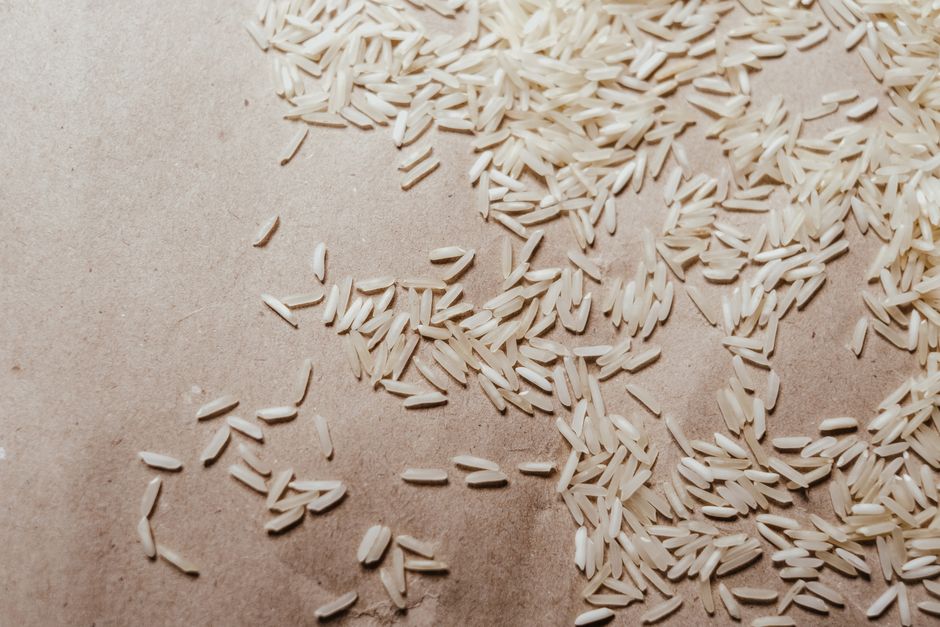
Does uncooked rice go off? Yes, but slowly, and the reason is not what most people assume. Dry white rice stored properly can stay good for years. Brown rice turns rancid far sooner because of the oil in its bran layer. The real danger with old rice is not spoilage you can see or smell. It is a bacterium called Bacillus cereus, and it matters most after the rice is cooked, not before.
Does Uncooked Rice Go Off?
Uncooked rice does go off, but the timeline depends heavily on the type of rice and how it is stored. White rice is essentially a dry starch with very little fat. Brown rice still contains its bran, and that bran holds oils that oxidize over time.
Oxidation is the key process here. When fats in the bran react with oxygen, they break down into compounds that smell and taste stale or rancid. This is a chemical change, not a bacterial one. It happens faster in warm, humid, or brightly lit conditions.
White rice can last for years in a sealed container kept cool and dry. Brown rice is more fragile. Its shelf life is measured in months, not years, and it shortens further in hot climates. So the honest answer is: yes, uncooked rice goes off, but the type of rice decides how fast.
How Long Does Uncooked Rice Last?
Storage time varies by rice type, packaging, and conditions. The ranges below reflect general food storage guidance, not a guarantee for any specific bag.
| Rice Type | Typical Storage Life | What Limits It |
|---|---|---|
| White rice (sealed, cool, dry) | Several years | Mostly quality, not safety |
| Brown rice | About 6 months | Rancidity from bran oils |
| White rice (opened, pantry) | About 1 year | Moisture and pests |
| Cooked rice (refrigerated) | 1 day or less is safest | Bacterial growth |
These numbers are approximate. A vacuum-sealed bag of white rice kept in a cool pantry will outlast an open bag left near a stove. Heat and moisture are the two things that shorten shelf life most.
Cooked rice is a different story entirely. Once rice is cooked and cooled, it becomes a favorable environment for bacteria. That is where the real safety risk lives, and it is separate from whether the dry rice in your cupboard has gone off.
Why Does Brown Rice Go Off Faster Than White Rice?
Brown rice goes off faster because it keeps its bran and germ. White rice has those layers removed during milling, leaving mostly the starchy endosperm.
The bran and germ contain fats. When those fats are exposed to air over time, they oxidize. The result is rancidity, which changes the smell, taste, and texture of the rice. You may notice a dull or slightly bitter smell, a yellowish tint, or a flavor that seems off even after cooking.
This is why brown rice is often sold in smaller quantities and why some brands recommend refrigeration or freezing for longer storage. It is not that brown rice becomes dangerous quickly. It is that it becomes unpleasant to eat sooner, and the nutritional quality of those oils declines as they break down.
White rice, by contrast, has very little fat left to go rancid. Its main enemies are moisture, pests, and time. Kept dry and sealed, it can sit for a long time without changing much.





How Can You Tell If Uncooked Rice Has Gone Off?
Your senses are the first check. Rancid rice usually smells stale, musty, or slightly like old oil or crayons. Fresh rice has a faint, neutral, almost chalky smell.
Look at the grains too. A yellowish or dull appearance can signal oxidation, especially in brown rice. Clumping, dampness, or a sticky feel suggests moisture has gotten in, which opens the door to mold and bacteria.
- Smell: stale, musty, or oily rather than neutral
- Color: yellowing or dulling, especially in brown rice
- Texture: clumping or dampness instead of loose, dry grains
- Signs of pests: small holes, webbing, or live insects
- Mold: any visible fuzz or discoloration means discard it
If you see mold or signs of pest infestation, throw the rice out. Do not try to wash or cook your way past mold. Some molds produce toxins that survive cooking, and no home method reliably removes them.
Rancid rice is not usually a safety emergency, but it will taste bad and its quality is gone. If it smells off, it is not worth cooking.
Does Old Uncooked Rice Make You Sick?
Old dry rice is not the usual cause of rice-related illness. The bigger risk comes from cooked rice that has been left at room temperature too long.
Here is the part most people get wrong. Bacillus cereus is a bacterium that lives in soil and can be present in raw rice. Its spores survive cooking, because cooking heat does not reliably destroy them. If cooked rice is left out at room temperature, those spores can germinate and the bacteria can multiply.
When you then eat that rice, some strains of Bacillus cereus can cause vomiting or diarrhea. This is often called “fried rice syndrome” because it has been linked to rice dishes left out for extended periods. The illness is not caused by the rice being old before cooking. It is caused by how the cooked rice was handled afterward.
This is where the practical advice matters. Cooked rice should be refrigerated promptly, ideally within about an hour if it is not being kept hot. It should not sit out for hours. And it should be reheated thoroughly before eating.
Dry, uncooked rice that has simply gone stale or rancid is a quality problem, not typically a food-poisoning problem. The bacterial risk is tied to the cooked stage.
How Should You Store Uncooked Rice?
Store uncooked rice in an airtight container in a cool, dry, dark place. Heat, light, moisture, and air are the four things that speed up spoilage and rancidity.
For white rice, a sealed container in a pantry is usually fine. For brown rice, refrigeration or freezing extends its usable life, because cold slows the oxidation of the bran oils. A freezer-safe bag or container works well for long storage.
- Keep it airtight to block moisture and pests
- Keep it cool and out of direct sunlight
- Keep it dry, away from the sink, dishwasher, or stove
- Label the container with the date you opened it
- Buy brown rice in smaller amounts you will use within a few months
A common mistake is storing rice near a heat source. A bag sitting next to a stove or in a warm garage ages faster than one in a cool cupboard. If you buy rice in bulk, splitting it into smaller sealed portions helps protect the rest from repeated exposure to air.
Does Freezing or Refrigerating Rice Help It Last Longer?
Refrigeration and freezing slow spoilage, especially for brown rice. Cold temperatures slow the chemical reactions that cause fats to go rancid.
For white rice, refrigeration is not strictly necessary if your pantry is cool and dry. For brown rice, it genuinely helps. Freezing can extend storage well beyond the pantry timeline, and it also helps prevent pest problems.
One practical note: when you move cold rice to room temperature, condensation can form on the grains. That moisture can reduce quality. Let the container come to room temperature before opening it, or keep it sealed tightly so outside air does not reach the rice.
Can You Still Cook Rice That Is a Little Old?
If old rice is only slightly stale but shows no mold, no pests, and no strong rancid smell, it is generally not a safety concern for white rice. It may simply cook up with a duller flavor or a softer texture.
For brown rice with a clear rancid smell, the oils have broken down and the taste will be off. You can still cook it, but the result is unlikely to be pleasant, and the quality of those fats has declined. It is usually better to replace it.
Never try to salvage rice that shows mold or pest activity. Those are hard stops. No amount of rinsing, cooking, or seasoning makes moldy grain safe.
The Bottom Line on Uncooked Rice
Uncooked rice does go off, but the type matters more than most people think. White rice lasts for years when kept cool, dry, and sealed. Brown rice goes rancid within months because of the oils in its bran. Neither is usually a food-safety emergency on its own.
The genuine safety concern with rice is cooked rice left at room temperature, where Bacillus cereus can grow. Store dry rice well, refrigerate cooked rice promptly, and trust your senses on the dry stuff. If it smells stale or shows mold or pests, replace it.
Frequently Asked Questions
Does uncooked rice go off?
Yes, uncooked rice can go off, but how fast depends on the type. White rice lasts for years when stored cool and dry, while brown rice goes rancid within months because of the oils in its bran.
How long does uncooked brown rice last?
Brown rice typically lasts about six months in a cool, dry pantry, and less in warm or humid conditions. Refrigerating or freezing it can extend its usable life because cold slows the oils from going rancid.
Can old uncooked rice make you sick?
Old dry rice is usually a quality problem, not a food-poisoning one. The real bacterial risk comes from cooked rice left at room temperature too long, which allows Bacillus cereus to grow.
How do you know if uncooked rice has gone bad?
Check for a stale, musty, or oily smell, yellowing grains, dampness, or signs of pests and mold. Any visible mold or insect activity means you should throw the rice out.
