
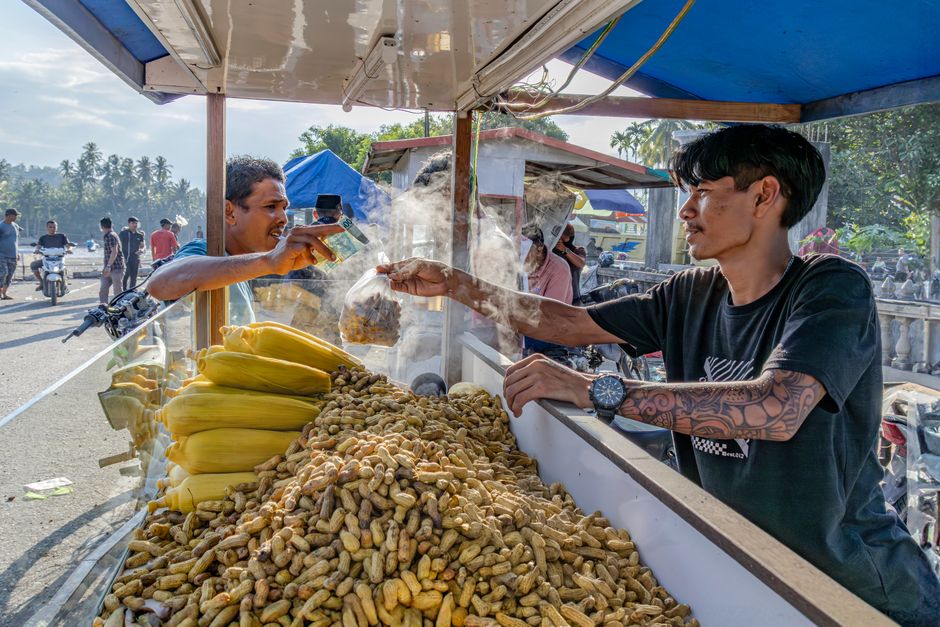
Boiled peanuts are a Southern American snack that looks like a peanut in the shell but tastes completely different. You crack the soft shell open with your fingers, pop the tender peanuts into your mouth, and discard the shell. They are usually eaten warm and can be seasoned simply with salt or spiced up with Cajun or Old Bay seasoning. This guide covers everything you need to know about eating, preparing, and storing boiled peanuts.
How To Eat Boiled Peanuts?
To eat boiled peanuts, start with a peanut still in its shell. Squeeze the shell between your thumb and forefinger until it cracks open. The shell is soft and moist from boiling, so this takes little effort. Pick out the peanuts inside — there are usually two or three in each shell. Eat them directly from your hand. Do not eat the shell; it is not meant to be consumed and has a fibrous, unpleasant texture.
Boiled peanuts have a creamy, bean-like texture and a mild nutty flavor. They are often sold warm in paper bags at roadside stands or convenience stores. If you buy them fresh, eat them within a few hours or refrigerate. Cold boiled peanuts are less appealing but can be reheated in hot water, a microwave, or a steamer.
How Do You Boil Peanuts Yourself?
Making boiled peanuts at home requires raw green peanuts — these are fresh, uncured peanuts that have not been dried. You can also use dried raw peanuts, but they need longer boiling and sometimes presoaking.
Rinse the peanuts well to remove any dirt. Place them in a large pot and cover with water by at least 2 inches. Add salt: a typical ratio is about ½ cup of salt per pound of peanuts, but you can adjust to taste. Bring to a boil, then reduce to a simmer. Green peanuts may be tender in 2 to 3 hours. Dried peanuts can take 6 to 8 hours or more. Check by tasting a peanut — it should be soft but not mushy.
For a slow cooker, cook on low for 8 to 10 hours for green peanuts, longer for dried. Expect the water level to drop, so check and add hot water as needed. When they are done, turn off the heat and let them cool in the brine for about an hour so the salt soaks in evenly.
How To Store Boiled Peanuts?
Boiled peanuts spoil faster than raw dried peanuts because of their high moisture content. Refrigerate them in an airtight container. They will keep for about 5 to 7 days in the refrigerator. Freezing is also an option: place cooled boiled peanuts in freezer bags, remove as much air as possible, and freeze for up to 6 months. Thaw in the refrigerator or reheat directly in hot water.
Never leave boiled peanuts at room temperature for more than 2 hours. If the peanuts smell sour or develop a slimy texture, discard them. This is a sign of bacterial spoilage.





Nutritional Facts of Boiled Peanuts
Boiled peanuts are lower in calories and fat than roasted peanuts because they absorb water during cooking, which dilutes the nutrients per serving. They are still a good source of plant protein, healthy unsaturated fats, and fiber. A one-ounce serving of boiled peanuts (about 28 grams, shelled) contains roughly 80 to 90 calories, compared to about 160 calories in the same weight of dry roasted peanuts.
Boiling also reduces some antinutrients found in raw peanuts, such as phytic acid, which can interfere with mineral absorption. However, the salt used in boiling can add significant sodium. If you are watching your salt intake, use less salt in the brine or rinse the peanuts briefly before eating.
Are There Any Health Risks?
Peanuts can sometimes contain aflatoxins, compounds produced by mold that are linked to liver damage in high amounts. Some research indicates that boiling may reduce aflatoxin levels compared to dry roasting, but it does not eliminate them completely. The risk is higher in peanuts sourced from warm, humid regions. Buying from reputable suppliers and storing peanuts properly lowers the risk.
Because boiled peanuts are moist, they can spoil quickly. Bacterial growth is possible if they are not kept cold. People with compromised immune systems should be especially careful to keep boiled peanuts refrigerated and eat them within the recommended time frame.
Popular Seasonings and Variations
Plain salted boiled peanuts are the classic. Beyond that, many people add spices to the boiling water or sprinkle them on after cooking. Common additions include:
- Cajun seasoning (paprika, garlic, onion, cayenne, oregano)
- Old Bay seasoning (celery salt, paprika, black pepper, red pepper)
- Garlic cloves and hot peppers (like jalapeño or habanero)
- Smoked ham hock or bacon for a savory, smoky broth
- Creole seasoning blend
You can experiment with any spice blend you like. Add the seasonings during the last hour of boiling so the flavors infuse without becoming bitter from long heat exposure. After boiling, let the peanuts sit in the seasoned brine for 30 minutes to absorb more taste.
Can You Eat Boiled Peanuts In Recipes?
While most people eat boiled peanuts as a snack, they can be used in other dishes. The soft texture does not hold up well in stir-fries or baked goods. They work better as:
- A topping for salads or grain bowls (shelled and chopped)
- A pureed addition to soups or stews for creaminess (like a peanut soup)
- A filling for spring rolls or lettuce wraps
- Mashed into a paste as a spread (not exactly peanut butter, but similar)
If you plan to cook with boiled peanuts, shell them first. The texture is much softer than roasted peanuts, so they can turn mushy if overcooked.
Frequently Asked Questions
Can you eat the shell of a boiled peanut?
No, the shell is not edible. You crack it open and discard it before eating the peanuts inside.
How long do boiled peanuts last in the refrigerator?
Boiled peanuts will keep for about 5 to 7 days in a sealed container in the refrigerator. For longer storage, freeze them.
Are boiled peanuts healthier than roasted peanuts?
Boiled peanuts have fewer calories and less fat per ounce because they contain more water. However, they also contain less protein and fiber per serving. The health impact depends on how much salt is added.
How do you reheat boiled peanuts?
You can reheat them in a pot of simmering water for 5 to 10 minutes, or in a microwave on high for 1 to 2 minutes. Do not overheat or they become mushy. Frozen boiled peanuts can be reheated directly from frozen.
