
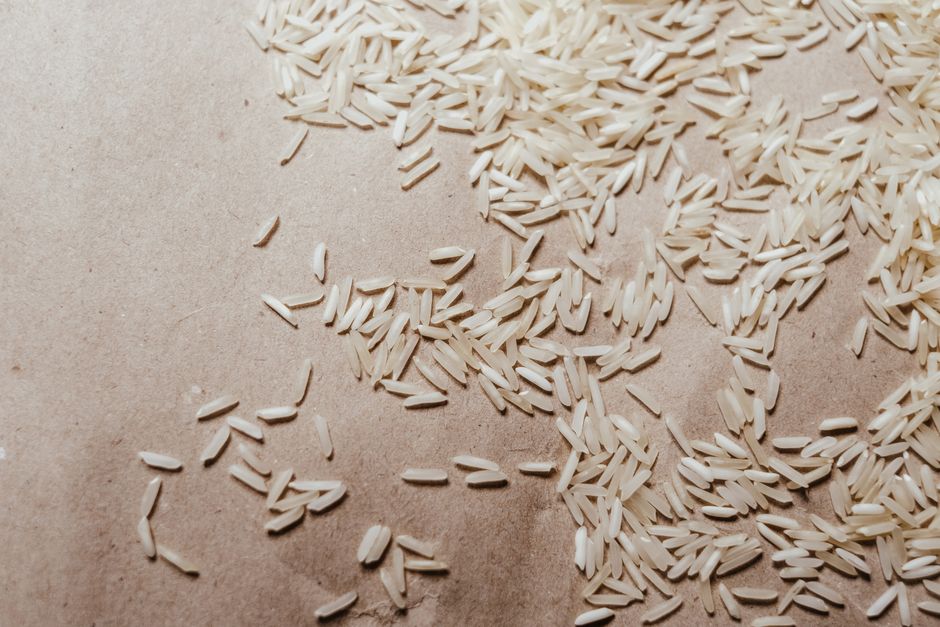
Does uncooked rice expire? The short answer is yes — but not in the way most people think. White rice stored properly can last for years, sometimes well beyond the date on the bag. Brown rice goes bad much faster because of the natural oils in the bran. And the real risk with old rice usually isn’t spoilage — it’s storage pests and, in rare cases, a mold-related toxin that heat does not destroy.
Does Uncooked Rice Actually Expire?
Uncooked rice does not “expire” the way fresh milk or raw chicken does. Dry rice is a low-moisture food. With very little water available, the bacteria and mold that spoil most foods cannot grow.
What changes over time is quality, not safety — at least at first. The starches and oils in rice slowly react with oxygen and moisture. Flavor fades. Texture gets worse. Eventually, the rice may take on a stale or musty smell.
So the date on the bag is best understood as a quality date, not a safety cliff. Rice kept dry, cool, and sealed can stay usable long after that date. Rice stored badly can become a problem well before it.
There’s one important exception. If rice becomes wet, it can grow mold — and some molds produce toxins that survive cooking. That’s the scenario where old or damaged rice becomes a genuine health concern, not just a taste issue.
How Long Does Uncooked Rice Last?
Storage life depends heavily on the type of rice and how it’s kept. The bran layer is the key variable. Whole-grain rice keeps its bran, which contains oils that go rancid over time. Milled white rice has that layer removed, so it stores far longer.
These are general storage ranges. They are not official safety limits, and real-world results vary with heat, humidity, and packaging.
| Type of Rice | Typical Storage Life (Sealed, Cool, Dry) | What Limits It |
|---|---|---|
| White rice (milled) | Many years | Gradual quality loss |
| Brown rice | About 6 months | Oils in the bran going rancid |
| Wild rice | About 6 to 12 months | Natural oils; absorbs moisture |
| Instant or parboiled rice | About 1 to 2 years | Packaging and processing |
Notice how wide the white rice range is. That’s not a typo. White rice is one of the most shelf-stable staple foods there is. The United States Department of Agriculture notes that white rice stored properly can keep for years, and long-term food storage programs rely on it for exactly that reason.
Brown rice is a different story. The oils in the bran go rancid within months, especially in warm kitchens. A stale, slightly bitter smell is the giveaway. Rancid rice isn’t usually dangerous, but it tastes bad and the oils have broken down.
How Can You Tell If Uncooked Rice Has Gone Bad?
Your senses catch most problems before they matter. Rice that has gone bad usually announces itself.
- Smell: A musty, sour, or “old basement” odor. Fresh rice smells faintly nutty or nearly neutral.
- Look: Any fuzz, discoloration, or clumping. Mold is often green, black, or gray. Clumps suggest moisture got in.
- Texture: Rice that feels damp or sticky has taken on water and is no longer shelf-stable.
- Pests: Small holes in the grains, fine dust, or live insects. This is a pantry pest problem, not a toxin problem, but the rice is compromised.
- Rancid smell: Especially in brown rice — a paint-like or crayon-like odor means the oils have oxidized.
If you see mold, throw the whole batch out. Do not try to rinse it or cook it. Mold toxins are not reliably removed by washing or heat.
If you only find insects, some people sift and rinse the rice and use it anyway. That’s a personal call. It’s not dangerous in itself, but it usually means the container wasn’t sealed well, and the rice quality has suffered.




What Is the Real Danger of Old Rice?
The genuine hazard with rice is not the rice itself. It’s a toxin called aflatoxin, produced by certain molds that can grow on grains when they are stored warm and damp.
Aflatoxin is a real concern. It is a known liver carcinogen, and food regulators worldwide set strict limits on how much is allowed in grains and nuts. The good news for most US shoppers: commercially sold rice is tested and regulated, so the risk from a sealed bag bought at the store is low.
The risk rises when rice is stored improperly — say, in a humid garage or a damp basement — or bought from informal sources with no quality control. That’s when mold can take hold. And once aflatoxin is present, cooking does not destroy it. High heat does not make contaminated rice safe.
There’s a separate and much more common rice hazard, but it involves cooked rice, not raw. Cooked rice left at room temperature can grow Bacillus cereus, a bacterium linked to food poisoning. The spores survive cooking, and if rice sits out for hours, the bacteria multiply. This is why cooked rice should be refrigerated promptly. It has nothing to do with whether the dry rice was old.
How Should You Store Uncooked Rice to Make It Last?
Storage is everything. Do these things and white rice can last years; skip them and even good rice can turn in months.
- Keep it dry. Moisture is the enemy. A sealed container beats a rolled-up bag every time.
- Keep it cool. A pantry away from the stove and direct sun works. For long-term storage, the freezer or refrigerator extends life, especially for brown rice.
- Keep it sealed. Airtight containers block moisture, oxygen, and pantry pests.
- Keep it dark. Light speeds up the breakdown of oils and flavor.
- Label the date. Write the purchase or storage date on the container so you’re not guessing later.
For brown rice you plan to keep more than a few months, the refrigerator or freezer is the practical move. Cold slows the oils from going rancid. Let the container come to room temperature before opening it wide, so condensation doesn’t form inside.
A small tip that surprises people: if you buy rice in bulk, repackage it into smaller airtight containers rather than opening one giant bag over and over. Every time you open the bag, humid air gets in. Fewer openings means slower decline.
Does the Expiration Date on Rice Mean Anything?
The date printed on a rice package is usually a “best by” or “best if used by” date. That language is about quality, not safety. It tells you when the manufacturer expects peak flavor and texture — not the moment the rice becomes unsafe.
This is a common point of confusion. “Best by” and “use by” are not the same thing, and neither is a hard safety deadline for a dry staple like rice. For low-moisture foods, these dates are estimates, and real storage conditions matter more than the printed number.
That said, the date is not meaningless. It’s a reasonable signal of when quality starts to slip. If rice is years past its date and has been stored warm or damp, treat it with more suspicion. If it’s a year past and has been kept cool and sealed, it’s probably fine.
Frequently Asked Questions
Does uncooked rice expire?
Uncooked rice does not expire in the way perishable foods do, but it does lose quality and can become unsafe if stored improperly. White rice kept dry, cool, and sealed can last for years, while brown rice lasts only about six months because its bran oils go rancid.
Can you eat rice that is past its expiration date?
Often yes, if the rice has been stored dry, cool, and sealed and shows no signs of mold, dampness, or pests. Check for a musty smell, clumping, or discoloration first — if any are present, throw it out rather than trying to salvage it.
How do you know if uncooked rice has gone bad?
Signs include a musty or sour smell, visible mold, clumping from moisture, or pantry pests. Brown rice that smells like crayons or paint has gone rancid and should be discarded.
Does cooking kill mold or toxins in old rice?
No. Cooking kills live mold and bacteria, but it does not destroy aflatoxin, a mold toxin that can form on improperly stored grains. If rice shows any sign of mold, discard the entire batch.
