
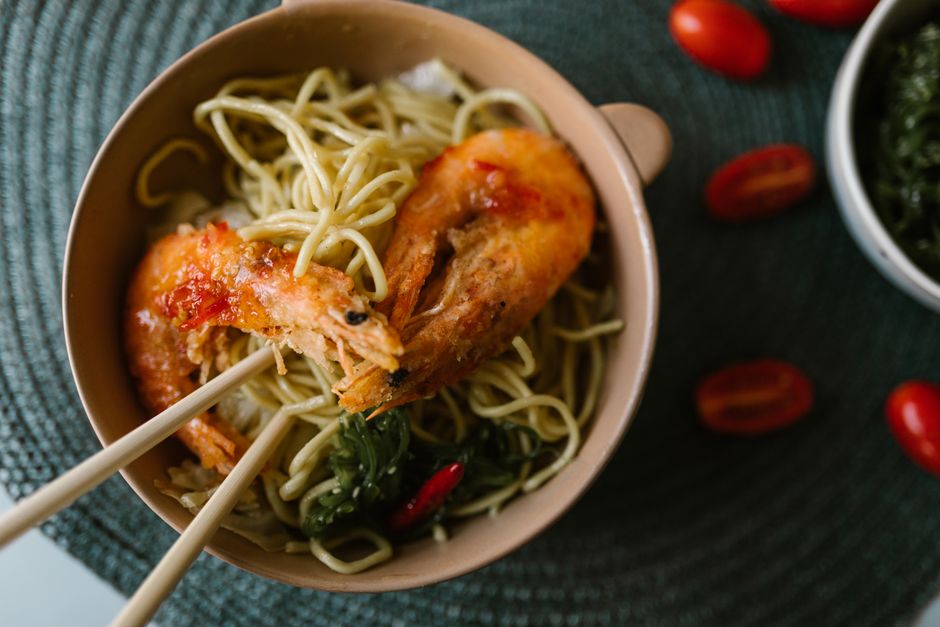
Eating raw shrimp is risky. Unlike some fish that is prepared for raw consumption, shrimp carry a high risk of bacteria, viruses, and parasites. The CDC and FDA both warn against eating raw or undercooked shrimp. Cooking shrimp to an internal temperature of 145°F kills most harmful pathogens. While some people eat raw shrimp in dishes like shrimp sashimi or ceviche, these preparations do not eliminate all risks. The safest choice is always fully cooked shrimp.
What Are the Real Risks of Eating Raw Shrimp?
Raw shrimp can carry several dangerous pathogens. The most common is Vibrio bacteria. This bacteria lives in warm coastal waters where shrimp are harvested. The CDC estimates that Vibrio causes about 80,000 illnesses in the United States each year. About 100 people die from it annually.
Another serious risk is hepatitis A virus. This virus can survive in shellfish and cause liver inflammation. Symptoms include fever, fatigue, and jaundice. There is no specific treatment for hepatitis A. Prevention through cooking is the only reliable protection.
Parasites are also a concern. Raw shrimp can contain roundworms and tapeworms. These can cause abdominal pain, nausea, and diarrhea. In rare cases, parasites migrate to other parts of the body. Cooking destroys all of these organisms completely.
Can You Eat Raw Shrimp in Sushi or Sashimi?
Some restaurants serve raw shrimp as “amaebi” or sweet shrimp. This is a popular item in high-end sushi bars. However, this does not mean it is safe. The shrimp used for amaebi is typically frozen at very low temperatures for a specific time period. This freezing process kills some parasites but not all bacteria.
The FDA has specific guidelines for fish that is eaten raw. These guidelines require freezing at -4°F for 7 days or -31°F for 15 hours. Even with this treatment, Vibrio bacteria can survive. Freezing does not reliably kill all bacterial pathogens. The FDA states that raw shellfish including shrimp should not be consumed raw by people with compromised immune systems.
Some people report eating raw shrimp without getting sick. This is not evidence of safety. Foodborne illness depends on many factors including the specific pathogen load and individual immune response. One person may eat contaminated shrimp and feel fine while another becomes severely ill.
What About Shrimp in Ceviche or Pickled Preparations?
Ceviche is made by marinating raw seafood in citrus juice. The acid in lime or lemon juice changes the texture of the shrimp protein. This makes it look cooked. But acid does not kill bacteria or viruses the way heat does. Research published in the Journal of Food Protection found that Vibrio bacteria can survive in ceviche for several hours after preparation.
Pickling and other acidic marinades have the same limitation. They may reduce some bacterial counts but do not eliminate pathogens. The only reliable method to make shrimp safe is cooking to 145°F. No amount of lemon juice, vinegar, or salt brine replaces proper cooking.
Restaurants that serve raw shrimp preparations take precautions. They source shrimp from specific suppliers and follow strict handling protocols. But even with these measures, risk is not zero. The FDA does not recommend eating raw shrimp in any form.




What Does Research on Raw Shrimp Safety Show?
Studies consistently find high levels of bacteria in raw shrimp. A 2020 study in the Journal of Food Science tested raw shrimp from retail markets. They found Vibrio in 35% of samples. Another study in Food Microbiology found Salmonella in 12% of raw shrimp samples tested in the United States.
The FDA monitors seafood safety through its shellfish sanitation program. They report that shrimp is one of the most common sources of foodborne illness outbreaks linked to seafood. Between 2010 and 2019, shrimp was linked to over 1,000 reported illnesses in the United States. Many more cases go unreported because people do not always see a doctor for food poisoning.
International research shows similar patterns. A study from Australia found that 40% of raw shrimp samples contained bacteria resistant to multiple antibiotics. This is concerning because if you get sick from antibiotic-resistant bacteria, treatment options are limited.
Who Is at Highest Risk from Raw Shrimp?
Anyone can get sick from raw shrimp. But some groups face much higher risk. People with weakened immune systems are most vulnerable. This includes people undergoing chemotherapy, organ transplant recipients, and those with HIV or autoimmune diseases.
Pregnant women should never eat raw shrimp. Foodborne illness during pregnancy can harm both mother and baby. Listeria bacteria, which can be found in raw seafood, can cause miscarriage or severe newborn infection. The American College of Obstetricians and Gynecologists advises pregnant women to avoid all raw seafood.
Older adults and young children also have higher risk. Their immune systems do not respond as effectively to pathogens. The CDC reports that adults over 65 account for a disproportionate number of hospitalizations from foodborne illness. Children under 5 are also more likely to develop severe complications.
People with liver disease or diabetes are at increased risk from Vibrio infections specifically. These conditions make it harder for the body to fight off bacterial infections. For these individuals, a Vibrio infection can become life-threatening quickly.
How to Tell If Shrimp Is Fully Cooked
Cooked shrimp changes in appearance and texture. Raw shrimp is translucent and grayish in color. As it cooks, it turns opaque and pink or orange. The flesh becomes firm to the touch. A properly cooked shrimp curls into a loose C-shape. If it curls into a tight O-shape, it is overcooked and tough.
Using a food thermometer is the most reliable method. Insert the thermometer into the thickest part of the shrimp. The internal temperature should reach 145°F. This temperature kills harmful bacteria, viruses, and parasites. Do not rely on color alone. Some pathogens can survive if shrimp is not heated through evenly.
Boiling and steaming are effective cooking methods. Shrimp typically cooks in 2-3 minutes in boiling water. Grilling and sautéing also work well. The key is to ensure every piece reaches the proper temperature throughout. Frozen shrimp should be thawed in the refrigerator before cooking, not at room temperature.
Common Misconceptions About Raw Shrimp
| Misconception | Fact |
|---|---|
| Lemon juice kills bacteria in ceviche | Acid does not reliably kill foodborne pathogens. Only heat to 145°F is proven effective. |
| Raw shrimp from a reputable source is safe | No source can guarantee raw shrimp is pathogen-free. Bacteria are naturally present in the environment. |
| Freezing kills all harmful organisms | Freezing kills some parasites but does not eliminate bacteria like Vibrio or viruses. |
| If it looks and smells fresh, it is safe to eat raw | Pathogens do not change the smell or appearance of shrimp. Contaminated shrimp can look perfectly normal. |
| Only people with weak immune systems get sick | Healthy people can and do get food poisoning from raw shrimp. Severity varies but risk is universal. |
What to Do If You Accidentally Eat Raw Shrimp
If you have eaten raw shrimp, monitor yourself for symptoms. Common signs of foodborne illness include nausea, vomiting, diarrhea, abdominal cramps, and fever. Symptoms typically appear within 24 to 48 hours after eating contaminated food. Some infections can take longer to develop.
Stay hydrated if you experience vomiting or diarrhea. Water and clear broths are best. Avoid dairy, caffeine, and alcohol until symptoms resolve. Over-the-counter medications for diarrhea should be used with caution. They can sometimes make bacterial infections worse by preventing your body from flushing out the pathogens.
Seek medical attention if symptoms are severe. Signs that require a doctor include bloody diarrhea, high fever over 101.5°F, inability to keep fluids down, or signs of dehydration such as dark urine and dizziness. People in high-risk groups should contact a healthcare provider immediately after eating raw shrimp, even without symptoms.
Report suspected foodborne illness to your local health department. This helps track outbreaks and identify contaminated products. The CDC uses these reports to investigate and prevent future illnesses.
Can You Eat Raw Shrimp If You Are Healthy?
Being healthy does not make raw shrimp safe. Every person has some level of risk. The severity of illness depends on the type and amount of pathogen present. A healthy immune system may fight off a small number of bacteria. But there is no way to know the bacterial load in any individual piece of shrimp.
The FDA and CDC do not make exceptions for healthy individuals. Their warnings apply to everyone. The same pathogens that cause mild illness in one person can cause severe illness in another. You cannot predict your own reaction.
Some people argue that traditional cultures eat raw shrimp safely. This argument ignores the reality of foodborne illness. People in these cultures do get sick from raw seafood. They simply may not have access to medical care or reporting systems. Illness is undercounted in many parts of the world.
If you choose to eat raw shrimp despite the risks, take precautions. Source shrimp from a trusted supplier that follows freezing guidelines. Eat it immediately after preparation. Do not serve it to anyone in a high-risk group. Understand that no precaution eliminates all risk.
Frequently Asked Questions
Is it safe to eat raw shrimp from the grocery store?
No. Grocery store shrimp is not processed for raw consumption and may contain harmful bacteria, viruses, or parasites. Cooking to 145°F is the only way to make it safe.
Can you get food poisoning from raw shrimp?
Yes. Raw shrimp is a common source of foodborne illness, including Vibrio, Salmonella, and hepatitis A infections. Symptoms range from mild stomach upset to severe illness requiring hospitalization.
Does freezing raw shrimp kill bacteria?
Freezing kills some parasites but does not reliably kill bacteria like Vibrio or viruses like hepatitis A. Only cooking to 145°F destroys these pathogens.
What is the difference between raw shrimp and cooked shrimp in sushi?
Cooked shrimp in sushi is fully cooked before serving. Raw shrimp in sushi, called amaebi, has been frozen but still carries bacterial risks that cooking would eliminate.
