
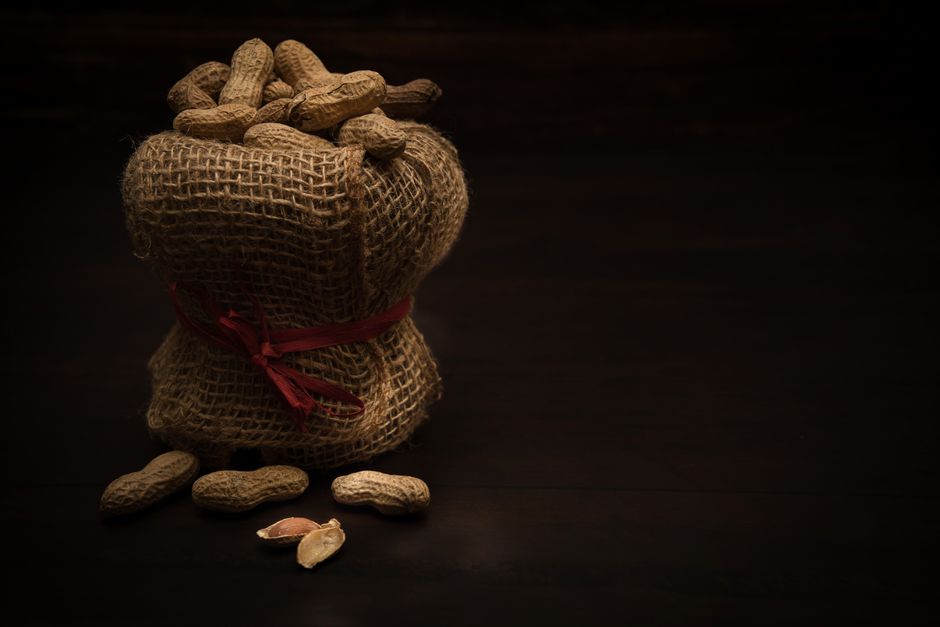
You can eat a peanut shell, but it is not a good idea. The shell is mostly indigestible fiber that your body cannot break down. While swallowing a small piece by accident will not harm you, eating peanut shells regularly poses real risks to your digestive system and your health.
What Is a Peanut Shell Made Of?
A peanut shell is the hard, fibrous outer coating that protects the seed inside. It is not like the skin of an apple or the peel of a banana. The shell is made mostly of cellulose, lignin, and other tough plant fibers that human digestive enzymes cannot break down.
Cellulose is the same material found in wood and grass. Your body lacks the enzyme cellulase, which is needed to digest it. That means the shell passes through your digestive tract mostly unchanged. Some people compare eating a peanut shell to eating a paper towel or a piece of cardboard. That comparison is accurate in terms of digestibility.
The shell also contains small amounts of minerals like calcium, magnesium, and potassium. But these are locked inside the fibrous structure. Your body cannot access them during digestion. So the nutritional value of a peanut shell is essentially zero.
What Happens When You Eat a Peanut Shell?
When you swallow a peanut shell, it enters your stomach as a solid, sharp-edged object. The stomach acid does soften it slightly, but not enough to break it down completely. The shell then moves into the small intestine and eventually the colon, still mostly intact.
For most people, a small piece will pass through without issue. But larger amounts can cause problems. The sharp edges of crushed shell pieces can scratch the lining of the throat, esophagus, or intestines. This is not common with a single shell, but it becomes a real risk if you eat several.
A more common problem is blockage. Because the shell does not break down, it can clump together with other food matter. This creates a mass called a bezoar. Bezoars can cause nausea, vomiting, abdominal pain, and in severe cases, require surgical removal. A study published in the American Journal of Gastroenterology documented cases of people who ate large quantities of peanut shells and developed intestinal blockages.
Can You Eat A Peanut Shell Safely?
Technically, yes, you can swallow a peanut shell without immediate harm. Millions of people have accidentally eaten a shell fragment while snacking on peanuts. Most never notice any symptoms. The body simply passes the fiber along.
But safe is a different word from harmless. Eating peanut shells intentionally or regularly is not safe. The risks outweigh any imagined benefit. Some people eat peanut shells as a craving during pregnancy or as a symptom of a condition called pica. Pica is an eating disorder where people crave non-food items like dirt, chalk, or ice. If you find yourself wanting to eat peanut shells regularly, it is worth talking to a doctor. It may signal a nutrient deficiency, most commonly iron or zinc.
| What You Swallow | Digestibility | Risk Level |
|---|---|---|
| One small shell fragment | Not digested, passes through | Very low for most people |
| One whole shell | Not digested, may cause mild irritation | Low, but not zero |
| Several shells at once | Not digested, can clump together | Moderate to high |
| Regular shell consumption | Not digested, accumulates | High risk of blockage or injury |




What Does Research on Peanut Shell Consumption Show?
Research on eating peanut shells is limited. Most of what we know comes from case reports and studies on pica. There are no large clinical trials because there is no medical reason to study peanut shells as a food.
What the evidence does show is consistent. The Centers for Disease Control and Prevention (CDC) has published case reports of intestinal blockages caused by eating peanut shells. One report described a patient who ate several handfuls of salted peanuts with shells over several days. The patient ended up in the emergency room with severe abdominal pain. Surgery revealed a mass of undigested shell material blocking the small intestine.
Another case involved a pregnant woman who craved peanut shells. She ate them daily for weeks. She developed constipation, bloating, and pain. After stopping the habit, her symptoms resolved. These cases are not common, but they show a clear pattern. Peanut shells do not belong in the human digestive tract.
Some people claim that peanut shells provide fiber. This is technically true. The shell is fiber. But it is insoluble fiber that your body cannot use. Soluble fiber, which dissolves in water and feeds gut bacteria, is what supports digestion. Peanut shells provide none of that. Oatmeal, beans, and apples are far better sources of healthy fiber.
What Are the Real Risks of Eating Peanut Shells?
The risks fall into three categories: physical injury, blockage, and contamination. Physical injury happens when sharp shell fragments scratch the throat or digestive lining. This is usually minor but can be painful. In rare cases, a fragment can cause a small tear that leads to infection.
Blockage is the more serious risk. The undigested shell material can form a bezoar. Symptoms of a bezoar include:
- Feeling full after eating only a small amount
- Nausea or vomiting
- Stomach pain that comes and goes
- Weight loss without trying
If a bezoar grows large enough, it can completely block the intestine. This requires emergency medical treatment. Surgery is sometimes needed to remove the mass.
Contamination is a risk that many people overlook. Peanut shells are not washed before packaging. They sit on the ground during harvesting. They can carry dirt, bacteria, pesticides, and even rodent droppings. Roasting kills some bacteria, but not all. Eating the shell means eating whatever was on that shell before it reached you.
There is also the risk of choking. Peanut shells are brittle. They break into irregular pieces that can lodge in the throat. This is especially dangerous for children and older adults.
Common Misconceptions About Peanut Shells
One myth is that peanut shells are a good source of roughage for digestion. This is misleading. Roughage is another word for insoluble fiber. While some insoluble fiber is helpful in small amounts, peanut shell fiber is too coarse. It acts more like gravel than like the gentle fiber from vegetables.
Another myth is that boiling or roasting peanut shells makes them safe to eat. Heat does not change the fiber structure. It may soften the shell slightly, but it does not make it digestible. The same risks apply whether the shell is raw, roasted, or boiled.
Some people believe that peanut shells contain nutrients that can benefit health. As noted earlier, the minerals in the shell are not bioavailable. Your body cannot extract them. You would get more nutrition from eating the paper the peanuts came in.
A more dangerous myth is that eating peanut shells can help with weight loss by filling the stomach. This is a harmful idea. Filling the stomach with indigestible material can lead to malnutrition. It displaces real food that contains calories, protein, vitamins, and minerals your body needs. Over time, this can cause weight loss that is actually muscle wasting and nutrient deficiency, not healthy fat loss.
There is also a persistent belief that animals eat peanut shells, so humans can too. This is not a valid comparison. Many animals have digestive systems designed to break down fibrous plant material. Cows have four stomachs. Birds have a gizzard that grinds food. Humans have a single stomach and a short digestive tract. We are not built to digest shells.
What to Do If You Accidentally Swallow a Peanut Shell
If you swallow a small piece of peanut shell by accident, do not panic. Drink some water to help it move along. You will most likely pass it without any problem. Monitor for symptoms like throat pain, chest discomfort, or stomach pain. If any of these occur and do not go away, call a doctor.
If you swallow a large piece or several pieces, pay closer attention. Watch for signs of blockage: bloating, constipation, vomiting, or sharp abdominal pain. These symptoms usually appear within a few hours to a day. If they develop, seek medical care.
For children, be more cautious. A child’s esophagus and intestines are smaller. A peanut shell fragment that would pass through an adult without issue could cause a blockage in a child. If a child swallows a peanut shell and shows any signs of distress, call a pediatrician or go to urgent care.
Do not try to induce vomiting. That can cause the shell to get stuck in the throat on the way back up. Just let the body handle it naturally. In almost all cases, it will.
Frequently Asked Questions
Can eating peanut shells cause an intestinal blockage?
Yes, eating several peanut shells can cause a blockage called a bezoar that may require medical treatment or surgery.
Are roasted peanut shells safer to eat than raw shells?
Roasting softens the shell slightly but does not make it digestible or safe to eat in large amounts.
Why do some people crave eating peanut shells?
Cravings for non-food items like peanut shells can be a sign of pica, which is often linked to iron or zinc deficiency.
Can peanut shells provide any nutritional value?
Peanut shells contain fiber and minerals, but your body cannot digest them, so they provide no usable nutrition.
