
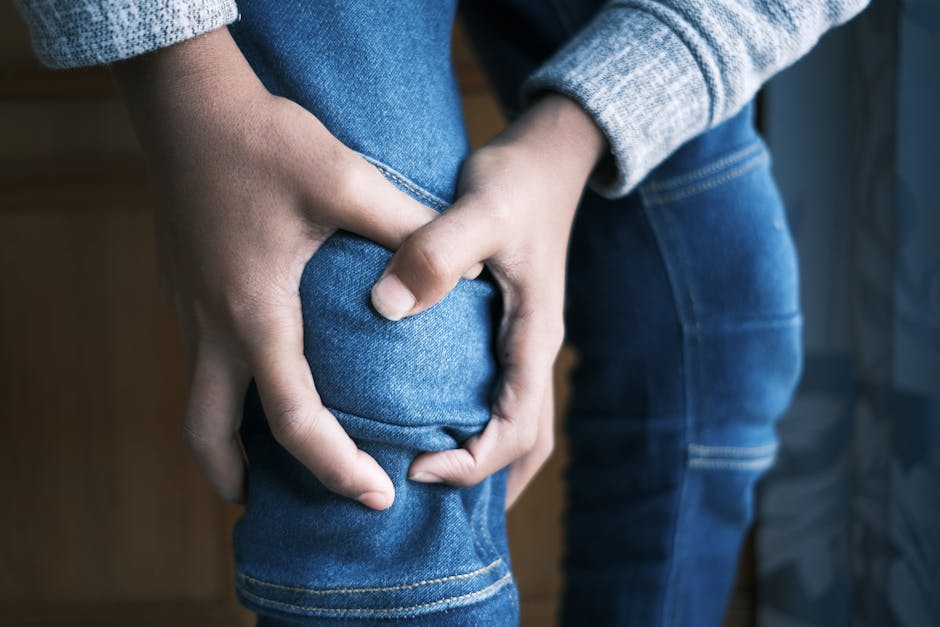
What Does the Research on Turmeric and Joint Pain Actually Show?
A 2016 meta-analysis published in the Journal of Medicinal Food reviewed eight randomized controlled trials involving 606 patients with knee osteoarthritis. Participants taking curcumin extracts reported pain reduction comparable to ibuprofen 800mg daily. The difference: turmeric caused fewer gastrointestinal complaints.
Another trial from 2020 in Phytotherapy Research found that 1,500mg of curcumin daily for 12 weeks reduced pain scores by 40% in people with knee arthritis. That’s substantial, though not universal.
The catch is bioavailability. Your body absorbs curcumin poorly. Most studies use formulations enhanced with piperine (from black pepper) or phospholipids to increase absorption. Plain turmeric powder from your spice rack contains only 2-5% curcumin and passes through largely unused.
As of 2026, the evidence base is moderate but growing. Turmeric helps some people noticeably, others barely at all.
Why Would Turmeric Reduce Joint Pain?
Curcumin inhibits specific inflammatory pathways in the body, particularly NF-kB and COX-2 enzymes. These are the same targets that prescription anti-inflammatory drugs hit, just less forcefully.
In osteoarthritis, cartilage breakdown releases inflammatory molecules. Curcumin appears to slow this cascade. It also may reduce oxidative stress in joint tissues, though this mechanism is less proven in human studies.
The effect is real but modest. Think of it as dampening inflammation, not eliminating it. A 2019 study in Annals of Internal Medicine tracked patients for six months. Those using curcumin supplements averaged a 30% improvement in joint function tests. That’s meaningful for daily life but not a transformation.
Turmeric does not rebuild cartilage. It does not reverse joint damage. It may make existing damage hurt less and progress more slowly.
How Much Turmeric Do You Actually Need for Joint Pain?
Most studies showing benefit used 500-2,000mg of curcumin daily, not turmeric powder. Since turmeric is only a few percent curcumin, you’d need roughly 15-30 grams of powder daily to match trial doses. That’s multiple tablespoons, which is impractical and tastes awful.
Supplements solve this. Look for products listing curcumin content and bioavailability enhancers. Common formulations include:
- Curcumin with piperine (BioPerine): increases absorption by up to 2,000%
- Curcumin phytosome (Meriva): bound to phospholipids for better uptake
- Liposomal curcumin: wrapped in fat molecules
Standardized extracts typically provide 95% curcuminoids. A 500mg capsule delivers more active compound than 20 grams of powder.
Effects take time. Most trials show measurable changes after 4-8 weeks of consistent use. Expecting relief in days sets you up for disappointment.





Does Turmeric Work Better Than Other Joint Pain Treatments?
Not really, but it works differently. Here’s how common approaches compare:
| Treatment | Pain Reduction | Time to Effect | Side Effects |
|---|---|---|---|
| NSAIDs (ibuprofen) | 50-60% | Hours to days | Stomach ulcers, kidney strain |
| Turmeric/Curcumin | 30-40% | 4-8 weeks | Rare, mild digestive upset |
| Glucosamine | 20-30% | 8-12 weeks | Very rare |
| Physical therapy | 40-50% | 4-6 weeks | None, requires effort |
Turmeric sits in the middle tier for effectiveness. It’s gentler than NSAIDs, slower than prescription drugs, potentially more helpful than glucosamine. The best outcomes in research come from combining approaches, not relying on one supplement.
A 2021 study in Clinical Rheumatology found that patients using curcumin alongside standard care improved more than either alone. The effect was additive, not synergistic.
What Should You Know Before Trying Turmeric for Joints?
Turmeric thins blood slightly. If you take warfarin or other anticoagulants, check with your doctor first. The same applies if you’re scheduled for surgery within two weeks.
High doses can cause digestive upset in about 5% of users. Start with lower amounts and increase gradually.
Quality varies wildly between brands. A 2020 ConsumerLab analysis found that 30% of turmeric supplements didn’t contain their labeled curcumin amounts. Third-party testing (USP, NSF) matters here.
Turmeric stains everything. Capsules prevent yellow fingers and countertops.
Expect management, not cure. Joint pain from arthritis is chronic. Turmeric may reduce severity and slow progression. It won’t eliminate the underlying problem. People hoping to quit all other treatments usually end up disappointed.
Related Posts
Frequently Asked Questions About Turmeric Joint Pain
How long does turmeric take to work for joint pain?
Most studies show noticeable effects after 4-8 weeks of daily use at therapeutic doses. Some people report mild improvement within 2-3 weeks, but this varies. Consistency matters more than sporadic high doses. Effects plateau around the 12-week mark in most research.
Can you take turmeric with ibuprofen for joint pain?
Yes, though both thin blood slightly, so watch for unusual bruising. Some people use this combination to reduce ibuprofen doses over time. A 2019 trial found the pairing safe in monitored settings. Still, check with your doctor if you have bleeding disorders or take other medications.
Is turmeric better than glucosamine for arthritis?
Head-to-head studies suggest turmeric provides slightly more pain relief than glucosamine, though neither is dramatically effective. A 2018 comparison found curcumin reduced pain scores by 8% more than glucosamine sulfate over 16 weeks. Some practitioners recommend using both, as they work through different mechanisms.
What form of turmeric works best for joint pain?
Curcumin extracts with bioavailability enhancers outperform plain turmeric powder significantly. Formulations using piperine or phospholipid binding increase absorption 10-20 fold compared to standard powder. Look for supplements listing curcumin content at 95% standardization and include absorption technology on the label.
Key Takeaways
- Turmeric provides modest but real joint pain relief, typically reducing symptoms by 30-40% over 8-12 weeks
- Standard doses range from 500-2,000mg curcumin daily; plain turmeric powder is too weak to match research doses
- Enhanced absorption formulas (with piperine or phospholipids) work significantly better than basic turmeric
- Effects are slower but safer than NSAIDs, with far fewer gastrointestinal side effects
- Best results come from combining turmeric with other treatments like physical therapy, not using it alone
The honest truth about turmeric and joint pain is that it helps, but not dramatically. If you’re looking for something to completely eliminate arthritis pain, this isn’t it. What turmeric does offer is a relatively safe way to take the edge off chronic inflammation without the stomach damage that comes from daily NSAID use.
The research is clearer now than five years ago. We have actual numbers from controlled trials, not just traditional use claims. Those numbers show real benefit for real people, just not miraculous transformation.
Turmeric works best as part of a broader approach. Movement, weight management if needed, targeted exercises, and medical supervision when appropriate. A supplement that reduces your pain by a third while you work on the rest makes a genuine difference in daily life. That’s worth considering, even if it’s not the complete answer people wish existed.
