
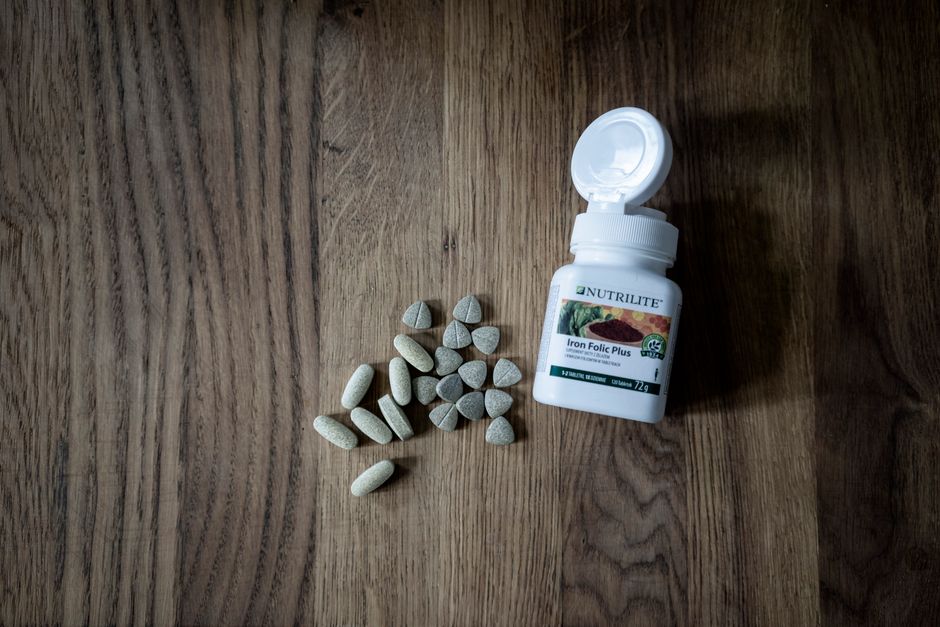
Yes, taking iron supplements often turns your stool dark, usually dark green or black. This is a normal and harmless side effect of how your body processes iron. The color change happens because iron that your body does not absorb passes through your digestive system. You do not need to stop taking your supplement because of this.
But you also need to know the difference between harmless dark stool from iron and dangerous black stool from bleeding. This article explains the science, the warning signs, and what is actually normal.
Why Does Iron Turn Stool Dark?
When you swallow an iron pill, your body absorbs what it needs in the small intestine. The rest travels to the large intestine. There, iron combines with sulfur compounds produced by gut bacteria. This reaction forms iron sulfide, which is dark gray or black.
Think of it like rust forming on metal. The iron oxidizes and changes color. That color then mixes with your stool.
The amount of color change depends on your dose. Higher doses of iron usually cause darker stool. Lower doses may cause only a slight greenish tint. Either way, the mechanism is the same.
This is not a sign that the iron is “working” or that your body is absorbing it. It simply means some iron passed through unabsorbed. Most people absorb only 10-20% of the iron they take orally. The rest exits the body.
How Long Does Dark Stool Last When Taking Iron?
Dark stool typically starts within a few days of beginning iron supplements. It continues for as long as you take the iron. Once you stop, your stool returns to normal color within two to three days.
Some people notice the color change more on certain days. This can depend on what else you eat and how fast your digestion moves. Faster digestion means less time for the iron to change color, so stool may appear less dark.
If you take iron every other day instead of daily, you may still see dark stool. The amount of iron in your system still produces the color reaction.
Does Taking Iron Make Your Stool Dark in Everyone?
No. Not everyone who takes iron gets dark stool. Some people notice no color change at all. This is also normal.
Several factors affect whether you see the color change. Your gut bacteria composition matters. Some people have bacteria that produce more sulfur compounds, which makes the reaction stronger. Your digestive speed matters too. Slower transit gives the iron more time to react.
The form of iron also plays a role. Ferrous sulfate is the most common type and frequently causes dark stool. Ferrous gluconate and ferrous fumarate can also cause it. Iron polysaccharide complexes and heme iron supplements may cause less noticeable color changes, though evidence on this is mixed.
If you do not see dark stool, it does not mean the supplement is not working. Your body may simply be absorbing more of the iron, leaving less to react in the colon.




Dark Stool from Iron vs. Black Stool from Bleeding
This is the question that worries most people. How do you know if your dark stool is from iron or from internal bleeding?
The difference comes down to color, smell, and texture.
Iron-related dark stool is usually dark green, dark brown, or gray-black. It has a normal stool odor. The texture is normal for you.
Black stool from bleeding is called melena. It looks like tar. It is sticky, shiny, and smells very foul. The color is jet black, not dark green or brown. Melena comes from bleeding in the upper digestive tract, usually the stomach or esophagus. Blood that passes through the digestive system turns black from oxidation.
If you are taking iron and your stool looks like tar, smells terrible, and feels sticky, you need medical attention. This is not from the iron.
If you are unsure, stop the iron for two to three days. Stool from iron will lighten. Stool from bleeding will stay dark or get worse. If it stays dark after stopping iron, see a doctor.
Other Causes of Dark Stool Besides Iron
Iron is not the only thing that changes stool color. Several foods and medications can cause dark stool.
- Black licorice contains compounds that darken stool.
- Blueberries eaten in large amounts can turn stool dark blue or black.
- Beets can turn stool red, which some people mistake for dark stool.
- Pepto-Bismol and other bismuth medications turn stool black. This is harmless and similar to the iron reaction.
- Activated charcoal supplements turn stool black.
If you take any of these along with iron, the color change may be more dramatic. That is still normal.
Medications that increase bleeding risk, like blood thinners, can cause black stool from bleeding. If you take warfarin, apixaban, or aspirin daily and notice black sticky stool, do not assume it is from iron.
Should You Stop Taking Iron If Your Stool Turns Dark?
No. Dark stool from iron is harmless. Stopping iron because of dark stool means you stop treating the underlying deficiency. That can lead to anemia, fatigue, weakness, and other problems.
Some people feel embarrassed or worried about the color change. That is understandable, but it is not a medical reason to stop.
The only reasons to stop iron and call a doctor are:
- Stool that is black, sticky, and smells foul
- Stool that stays dark after stopping iron for three days
- Any sign of blood in stool
- Severe stomach pain, vomiting, or vomiting blood
If you are only seeing dark stool and feel fine otherwise, continue your supplement as directed.
Does the Type of Iron Supplement Matter for Stool Color?
Yes, but not as much as people hope. All oral iron supplements can cause dark stool. Some forms may cause less noticeable changes, but none guarantee normal-colored stool.
Ferrous sulfate is the most common and cheapest form. It causes dark stool in most people. Ferrous gluconate and ferrous fumarate are similar.
Slow-release or extended-release iron tablets may cause less dark stool because less iron reaches the colon at once. However, these forms also release iron lower in the digestive tract, which can reduce absorption.
Heme iron supplements come from animal sources and are absorbed differently. Some people report less dark stool with heme iron, but strong evidence is limited. These supplements also cost more.
Liquid iron supplements can stain teeth but still cause dark stool. The color change is from digestion, not from the supplement’s own color.
If dark stool bothers you significantly, talk to your doctor about trying a different form. But understand that any oral iron can cause this effect.
Can You Prevent Dark Stool from Iron?
You cannot fully prevent it if you are taking enough iron to treat a deficiency. But you can reduce how noticeable it is.
Taking iron with food helps some people. Food slows digestion and may reduce the amount of iron that reaches the colon unabsorbed. However, food also reduces iron absorption. If you take iron with food, you may need a higher dose.
Taking iron every other day instead of daily may help. Some research suggests that every-other-day dosing improves absorption and reduces side effects. Your stool may still darken, but possibly less.
Staying hydrated and eating enough fiber keeps your digestion regular. This may help stool pass more quickly, giving the iron less time to darken it.
But none of these strategies reliably prevent the color change. If you take iron, expect some dark stool. It is a predictable side effect, not a problem.
When to See a Doctor About Stool Color While Taking Iron
Most of the time, you do not need to see a doctor for dark stool while taking iron. But there are clear exceptions.
See a doctor if:
- Your stool is black and sticky like tar
- Your stool has a very foul smell
- You see red blood in stool or on toilet paper
- You have stomach pain, nausea, or vomiting
- You feel dizzy, weak, or short of breath
- You are vomiting what looks like coffee grounds
These can be signs of gastrointestinal bleeding, which is a medical emergency. Do not assume iron caused these symptoms.
If you are over 50, have a history of ulcers, or take blood thinners, be more cautious. Your risk of bleeding is higher, and you should not dismiss black stool as iron-related without checking.
For everyone else, dark stool from iron is normal. You do not need to call your doctor every time you see a color change.
Frequently Asked Questions
Can iron supplements cause black stool that looks like blood?
Iron can cause black or dark gray stool, but it should not look like tar or have a foul smell. If your stool is sticky and smells bad, it may be blood and you should see a doctor.
How long after stopping iron does stool return to normal?
Stool usually returns to normal color within two to three days after you stop taking iron supplements. If it stays dark longer, see a doctor.
Does dark stool mean my iron supplement is working?
No. Dark stool simply means some iron passed through unabsorbed. It is not a sign that the iron is working or that your body is absorbing it properly.
Can I take iron with food to prevent dark stool?
Taking iron with food may reduce how dark your stool becomes, but it also reduces iron absorption. This is not a reliable way to prevent the color change.
