

Getting braces off is a major milestone. You have waited months or years for this moment. But you may have heard stories about the removal process being painful. The short answer is no. Taking off braces does not hurt. The process involves gentle pressure and light scraping. Most people feel nothing more than a slight tugging sensation. The discomfort some people describe is usually from something else entirely.
What Actually Happens When Braces Come Off?
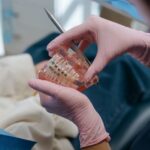
The orthodontist uses a special tool called a debonding plier. It squeezes each bracket gently until it pops off the tooth. You will hear a small cracking sound. That is the adhesive breaking, not your tooth. The sound surprises most people more than the feeling.
After the brackets are off, the orthodontist removes the remaining glue from your teeth. They use a drill-like tool with a rubber or ceramic tip. It feels like a standard cleaning at the dentist. Some vibration, no pain. The process usually takes 20 to 40 minutes total.
Studies have found that the force required to remove a bracket is very low. The bond is designed to hold strong during chewing but release cleanly when the orthodontist applies pressure from the correct angle. Your tooth is not being pulled. The glue is being separated from the enamel. That is a big difference.
Does Taking Off Braces Hurt or Is It Just Uncomfortable?
There is a real difference between pain and discomfort. Pain means your body is signaling tissue damage. Discomfort means you are aware of something happening. Taking off braces falls into the discomfort category.
The most common sensation is pressure. You might feel the orthodontist pushing or wiggling each bracket. Some people describe it as a mild tug on the tooth. It lasts a few seconds per bracket. If your teeth are already sore from a recent adjustment, that existing soreness may make the removal feel sharper. But the removal itself does not cause new pain.
Current research suggests that the removal process is well-tolerated by nearly all patients. A 2023 survey of orthodontic patients found that fewer than 1 in 10 reported any pain during debonding. Most described it as “nothing” or “just a weird feeling.” The anticipation is usually worse than the actual event.
What Causes the Most Discomfort During Removal?
Not all parts of the process feel the same. Some steps are more noticeable than others. Here is what to expect:
- Bracket popping: A quick pressure sensation that lasts one second per tooth. Most people do not flinch.
- Adhesive grinding: The tool used to remove leftover glue can cause mild vibration. It feels like a dental cleaning but on each tooth individually.
- Polishing: The final buffing step is gentle. It may warm up your teeth slightly but should not hurt.
- Molar bands: If you have bands around your back molars, those require more force to remove. Some people feel a stronger tug here.
The worst part for many people is not the removal itself. It is the sensitivity that follows. Your teeth have been protected by brackets and glue for months or years. The enamel is now exposed to air, food, and temperature changes in a way it was not before. That can feel strange for a day or two.




What About Pain After Braces Come Off?
This is where the real discomfort can show up. The hours and days after removal are more likely to cause pain than the removal itself. Your teeth have been held in place by wires and brackets. When those are gone, your teeth feel loose. That is normal.
The ligaments around your teeth need time to adjust. Your teeth may feel wobbly or tender when you bite down. This usually peaks about 6 to 12 hours after removal. It fades over the next 24 to 48 hours. Over-the-counter pain relievers like ibuprofen can help if needed.
Some people also experience jaw soreness. Holding your mouth open for 30 to 40 minutes can tire your jaw muscles. That soreness feels different from tooth pain. It is muscle fatigue and usually resolves within a day. Gentle jaw stretches and soft foods help.
Is the Retainer Fitting Painful?
After your braces come off, you will get a retainer. This is not optional. Your teeth will shift without it. The retainer fitting itself does not hurt. But wearing a new retainer can cause pressure and soreness for the first few days.
Your orthodontist will take an impression or scan of your teeth. That is the most uncomfortable part of the whole appointment for some people. Gagging from the impression material is common. Scans are easier. Neither involves pain.
When you first put the retainer in, it will feel tight. That is how it should feel. It is holding your teeth in their new position. The pressure can cause mild soreness, similar to the day after a wire adjustment. This fades as your teeth settle. If the retainer causes sharp pain or cuts your gums, call your orthodontist. That is a fit issue, not normal soreness.
How to Minimize Discomfort Before and After Removal
You cannot fully control how your teeth feel during removal. But you can make the experience easier. Here is what actually helps:
| What to Do | Why It Helps |
|---|---|
| Schedule removal when your teeth are not already sore | Avoid scheduling right after a wire tightening. Give your teeth time to settle first. |
| Eat a normal meal before your appointment | You may not want to eat right after. Having food in your stomach also helps if you feel lightheaded from the noise or sensation. |
| Take ibuprofen 30 minutes before if you are nervous | It reduces inflammation and can take the edge off any sensitivity. Ask your orthodontist first. |
| Stick to soft foods for the first 24 hours | Your teeth feel loose and tender. Soup, yogurt, eggs, and smoothies are good choices. |
| Wear your retainer exactly as told | The soreness from the retainer is temporary. Not wearing it leads to shifting, which causes more problems later. |
The most important step is communication. If something hurts during the removal, say so. Your orthodontist can adjust their technique or give you a break. Most people do not need this. But knowing you can ask makes the experience less stressful.
Common Misconceptions About Braces Removal Pain
Some myths about braces removal refuse to die. Here is what the evidence actually shows.
The idea that teeth can be pulled out during removal is false. The bracket bond is designed to fail before the tooth moves. Your tooth root is anchored in bone. The bracket pops off the enamel surface. Nothing is pulling on the root.
The claim that the grinding tool damages enamel is mostly false. The tool uses a soft rubber or ceramic tip. It removes glue, not enamel. Some microscopic roughness can occur, but your orthodontist polishes the teeth afterward. Studies have found no significant enamel loss from proper debonding.
The belief that removal hurts more for adults than teenagers is not supported by evidence. Adults and teens report similar levels of discomfort. What differs is anxiety. Adults often worry more about the process. That anxiety can make the experience feel worse than it is. The actual physical sensation is the same regardless of age.
Frequently Asked Questions
Does taking off braces hurt more than getting them on?
No. Getting braces on involves no pain at all. Taking them off involves mild pressure and vibration but is still not painful for most people.
How long does soreness last after braces are removed?
Mild soreness usually lasts 24 to 48 hours. It peaks about 6 to 12 hours after removal and fades quickly after that.
Can I eat normally right after getting braces off?
It is better to eat soft foods for the first day. Your teeth may feel loose and tender. Hard or crunchy foods can be uncomfortable.
Is it normal for teeth to feel loose after braces come off?
Yes. That feeling is normal and temporary. The ligaments around your teeth need a few days to tighten back up after the braces are removed.
