
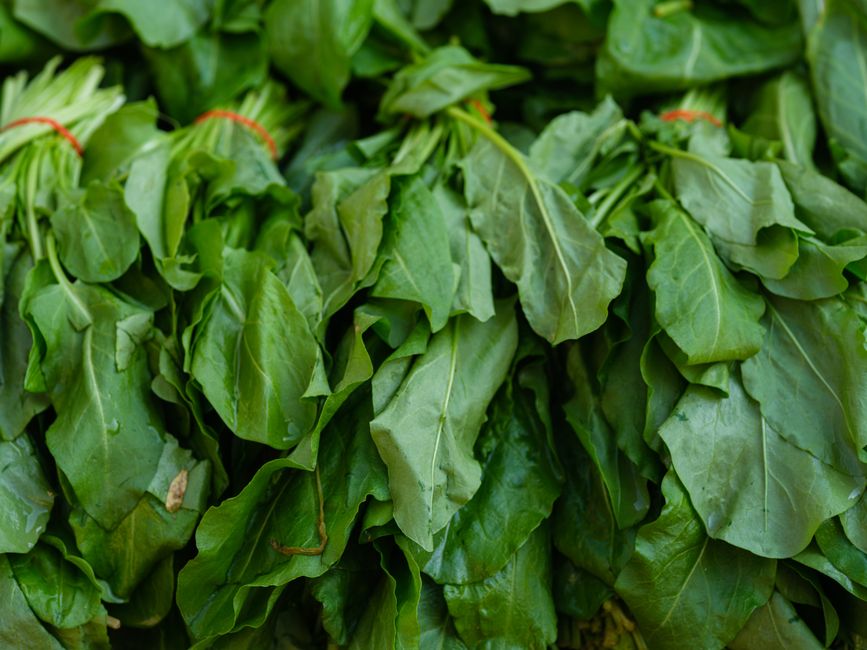
Yes, spinach contains iron. A 100-gram serving of raw spinach provides about 2.7 milligrams of iron. That is roughly 15% of the daily value for most adults. But the story does not end there. The type of iron in spinach and how your body absorbs it matters more than the raw number.
How Much Iron Is Actually in Spinach?
The amount of iron in spinach depends on how it is prepared. Raw spinach, cooked spinach, and frozen spinach all have different iron concentrations because water content changes.
Here is the breakdown based on standard USDA nutritional data:
- Raw spinach: 2.7 mg per 100 grams (about 3.5 ounces)
- Cooked spinach (boiled, drained): 3.6 mg per 100 grams
- Frozen spinach (cooked): 3.7 mg per 100 grams
Cooking removes water, so the iron becomes more concentrated by weight. That means a cup of cooked spinach delivers more iron than a cup of raw spinach, simply because you are eating more plant matter in that volume.
Why Spinach Iron Is Different From Meat Iron
Spinach contains non-heme iron. Meat, poultry, and fish contain heme iron. This distinction matters for absorption.
Heme iron is absorbed efficiently by the human gut. Non-heme iron is not. The body absorbs only about 2% to 20% of non-heme iron, depending on the meal and your personal iron status. Heme iron absorption rates are higher and more consistent.
This does not mean spinach is a poor iron source. It means you need to think about how you eat it. Pairing spinach with vitamin C improves non-heme iron absorption. Vitamin C converts iron into a form that is easier for the gut to take up.
Eating spinach with strawberries, citrus, tomatoes, or bell peppers can meaningfully increase how much iron your body actually uses.
Does Oxalic Acid Block Iron Absorption?
Spinach contains oxalic acid, also called oxalate. This natural compound binds to minerals, including iron and calcium, and can reduce their absorption in the digestive tract.
This is a real effect. Spinach has one of the highest oxalate levels of common vegetables. Some research suggests that oxalates in spinach may reduce iron absorption more than the oxalates in other vegetables like kale or broccoli.
But the practical impact is not as dramatic as internet headlines suggest. Cooking spinach reduces oxalate content. Steaming or boiling leaches oxalates into the cooking water. If you drain that water, you lose some oxalate along with some water-soluble nutrients.
The evidence shows that spinach can still contribute meaningfully to iron intake, especially when eaten regularly and paired with vitamin C. It is simply not as efficient an iron source as red meat or fortified cereals.


Who Should Rely on Spinach for Iron?
Iron needs vary by age, sex, and life stage. Adult men and postmenopausal women need about 8 mg per day. Menstruating women need about 18 mg per day. Pregnant women need about 27 mg per day.
For most healthy adults, spinach is a useful contributor to total iron intake. It is not enough on its own to meet high iron needs.
Consider the math. A menstruating woman needs 18 mg daily. She would need to eat roughly 650 grams of raw spinach, over a pound, to reach that from spinach alone. That is not realistic for most people.
Spinach works best as part of a varied diet that includes other iron sources. Beans, lentils, tofu, fortified grains, and nuts all provide non-heme iron. Meat and seafood provide heme iron.
Can Eating Spinach Cause Iron Overload?
No. Iron overload from food alone is extremely rare in healthy people. The body regulates non-heme iron absorption. When iron stores are adequate, the gut absorbs less.
Iron overload conditions, such as hereditary hemochromatosis, are genetic. People with this condition absorb too much iron regardless of the food source. They need medical guidance, not just dietary changes.
For everyone else, eating spinach daily is not a risk for iron toxicity. Spinach is a vegetable that provides many nutrients beyond iron, including folate, vitamin K, and magnesium.
Does Cooking Destroy the Iron in Spinach?
No. Heat does not destroy iron. Iron is a mineral, not a vitamin. It stays stable through cooking.
What cooking does change is the water content and some nutrient levels. Water-soluble vitamins like vitamin C and B vitamins can leach into cooking water. But the iron stays in the leaves.
If you want to maximize iron from cooked spinach, use minimal water and shorter cooking times. Steaming is a good option. Boiling in large amounts of water and discarding that water removes some nutrients, though not iron.
Frozen spinach is a solid choice. It is typically blanched before freezing, which preserves the mineral content well.
Is Baby Spinach Lower in Iron?
Baby spinach is harvested earlier than mature spinach. Its nutrient profile is similar, but concentrations can differ slightly.
Some research suggests baby spinach may have slightly lower oxalate levels than mature spinach. That could theoretically improve mineral absorption. But the differences are small and not consistent enough to make a firm recommendation.
Both baby spinach and mature spinach provide meaningful iron. Choose whichever you will actually eat regularly. Consistency matters more than the small differences between the two.
What About Spinach Supplements and Powders?
Spinach powders and extracts are sold as concentrated greens. These products do contain iron, but the amounts vary by brand.
There is no strong clinical evidence that spinach supplements are better than eating whole spinach. Whole spinach provides fiber and a broader range of nutrients that work together.
If you are considering an iron supplement for a diagnosed deficiency, talk to a doctor. Iron supplements should be taken under medical supervision. Too much supplemental iron can cause gastrointestinal distress and, in rare cases, toxicity.
No clinical guidelines currently recommend spinach powder as a treatment for iron deficiency anemia.
Which Foods Pair Best With Spinach for Iron Absorption?
Vitamin C is the most reliable enhancer of non-heme iron absorption. Aim to include a vitamin C source in the same meal as spinach.
Good pairings include:
- Spinach salad with strawberries or orange segments
- Cooked spinach with a squeeze of lemon juice
- Spinach in a tomato-based sauce
- Spinach smoothie with kiwi or pineapple
Some beverages can reduce iron absorption. Tea and coffee contain tannins that bind non-heme iron. Drinking them immediately before or after an iron-rich meal can lower absorption. If you drink tea or coffee regularly, consider having it between meals rather than with them.
Calcium also competes with iron for absorption. Dairy products eaten in the same meal as spinach can reduce iron uptake. This does not mean avoid dairy entirely. It means spacing calcium-rich foods apart from your highest-iron meals is a reasonable strategy.
Frequently Asked Questions
Is spinach a good source of iron?
Yes, spinach is a good plant-based source of iron, providing about 2.7 mg per 100 grams raw. However, the body absorbs non-heme iron from plants less efficiently than iron from meat.
How can I increase iron absorption from spinach?
Pair spinach with vitamin C-rich foods like citrus, tomatoes, or bell peppers. Avoid drinking tea or coffee with your meal, since tannins can reduce iron absorption.
Does cooked spinach have more iron than raw spinach?
Cooked spinach has more iron per 100 grams because cooking removes water and concentrates the nutrients. A cup of cooked spinach delivers more iron than a cup of raw spinach.
Can spinach alone fix iron deficiency anemia?
Spinach alone is unlikely to correct iron deficiency anemia. It can contribute to daily iron intake, but medical treatment for anemia typically requires higher-dose iron supplements under a doctor’s supervision.
