
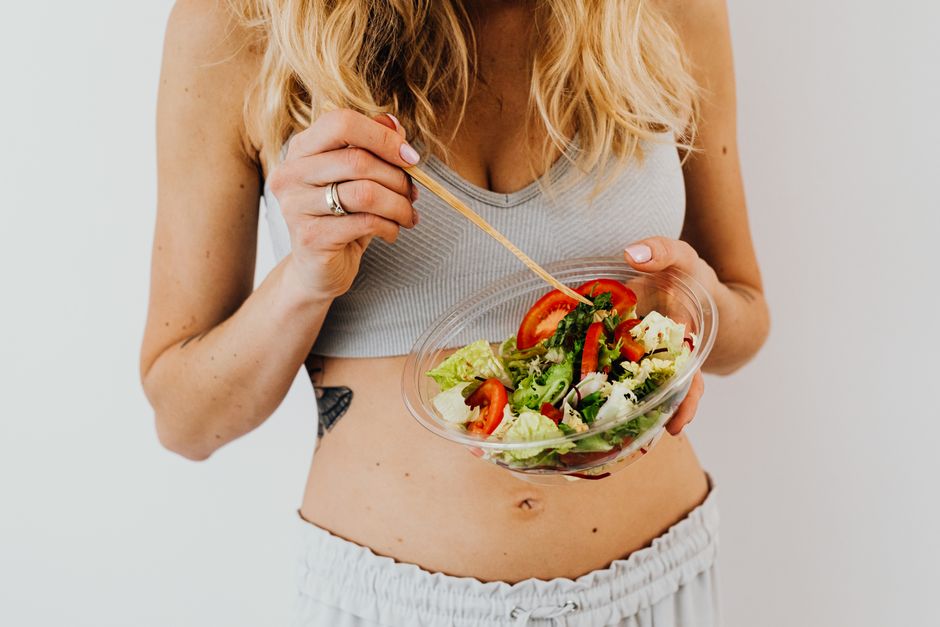
The foods that are good for gut health are those rich in fiber, fermented foods with live cultures, and foods high in polyphenols. These foods feed the beneficial bacteria in your digestive tract, helping them thrive and produce compounds that support digestion and immunity. A diet centered on plants, whole grains, legumes, and fermented dairy or vegetables is the most reliable way to support a healthy gut microbiome.
What Does Gut Health Actually Mean?
Your gut is home to trillions of microorganisms—bacteria, viruses, and fungi—collectively called the gut microbiome. Most of these microbes live in your large intestine, where they break down food components that your body cannot digest on its own.
When your gut bacteria ferment fiber, they produce short-chain fatty acids like butyrate. These fatty acids are the main energy source for the cells lining your colon and play a role in regulating inflammation. A healthy gut means a balanced community of these microbes, a functioning intestinal barrier, and regular digestion.
Gut health is not about any single food. It is about the overall pattern of what you eat over weeks and months. Your microbiome changes based on your diet, but it does not change overnight.
Which Food Are Good for Gut Health? Fiber-Rich Plants Lead the Way
Fiber is the single most important nutrient for gut health. Humans cannot digest fiber, but our gut bacteria can. When you eat fiber, you are feeding your microbes. They turn it into short-chain fatty acids that nourish your colon lining.
Most adults need about 25 to 38 grams of fiber per day. Most Americans get around half that amount. The best sources of fiber include:
- Beans, lentils, and chickpeas
- Oats and barley
- Whole wheat and brown rice
- Vegetables like broccoli, Brussels sprouts, and artichokes
- Fruits like apples, pears, and berries
- Nuts and seeds
Variety matters as much as quantity. Different bacteria prefer different types of fiber. Eating a wide range of plant foods supports a more diverse microbiome, and diversity is a consistent marker of gut health in research.
If you currently eat little fiber, increase it gradually. A sudden jump can cause bloating and gas. Adding a serving or two per week and drinking more water helps your system adjust.
Fermented Foods Add Live Bacteria
Fermented foods contain live microorganisms. When you eat them, those microbes pass through your digestive system and can briefly join your gut community. Regular consumption of fermented foods has been linked to greater microbial diversity and lower markers of inflammation.
Not all fermented foods are equal. Some are pasteurized after fermentation, which kills the live bacteria. Look for labels that mention “live cultures” or “contains live active cultures.”
Well-studied fermented foods include:
- Yogurt with live active cultures
- Kefir, a fermented milk drink
- Kimchi and sauerkraut that are unpasteurized
- Miso and tempeh
- Some types of kombucha
Research published in the journal Cell found that a diet rich in fermented foods increased microbiome diversity and reduced immune cell activation over a 10-week period. The effect was measurable even in people who had no digestive complaints.
Fermented foods are not a replacement for fiber. They work alongside a fiber-rich diet. Think of fiber as the fuel and fermented foods as a delivery system for new microbes.





Polyphenols: Plant Compounds That Feed Gut Bacteria
Polyphenols are compounds found in colorful plant foods. They are not digestible by humans, but your gut bacteria use them as fuel. In the process, the bacteria convert them into active metabolites that can affect your body.
Foods rich in polyphenols include:
- Berries, especially blueberries and blackberries
- Dark chocolate with at least 70% cocoa
- Green tea and black tea
- Red grapes and red wine in moderation
- Olive oil
- Onions and garlic
- Turmeric and ginger
Polyphenols also act as antioxidants. This means they can neutralize reactive molecules that damage cells. But their effect on the microbiome is what makes them especially relevant for gut health.
One reason Mediterranean-style diets are consistently linked to better health outcomes is their high polyphenol and fiber content. The combination supports both the microbes and the gut lining.
Foods That Can Harm Gut Health
What you avoid matters as much as what you eat. Some foods are associated with reduced microbial diversity and increased inflammation in the gut.
Ultra-processed foods are the main concern. These include packaged snacks, sugary cereals, fast food, and many ready-made meals. They are typically low in fiber and high in refined sugars, unhealthy fats, and additives. Some research suggests that certain emulsifiers used in processed foods may affect the gut lining in animal studies, but human evidence is still limited.
Artificial sweeteners are another area of active research. Some studies in animals suggest that certain sweeteners can alter gut bacteria, but the evidence in humans is mixed. If you tolerate them well and use them in moderation, there is no strong reason to eliminate them based on current evidence.
Alcohol is worth mentioning. Heavy drinking is clearly linked to gut barrier dysfunction and changes in the microbiome. Light to moderate consumption appears to be less harmful, but the safest approach for gut health is to keep alcohol intake low.
Should You Take Probiotic Supplements?
Probiotic supplements are popular, but the evidence for them is more complicated than marketing suggests. The reality is that different probiotic strains do different things, and a supplement that helps one person may do nothing for another.
Probiotics have shown clear benefit in specific situations, like preventing antibiotic-associated diarrhea or managing certain digestive conditions. For general gut health in healthy people, the evidence is less clear. Many studies show modest effects, but the results vary by strain and by person.
If you choose to take a probiotic, look for products that list the specific strains on the label. Products that just say “probiotic blend” without naming strains are harder to evaluate. Also, be aware that probiotics are regulated as supplements, not drugs, so quality and potency are not verified by any regulatory body before they reach store shelves.
Food sources of probiotics are generally a safer and more practical choice. They provide live cultures along with other nutrients, and they are less likely to cause side effects.
How Quickly Can Diet Change Your Gut?
Diet changes affect the microbiome faster than many people expect. Studies show that significant shifts in food intake can alter the composition of gut bacteria within days. But these changes are not always lasting.
When you stop eating the foods that support those bacteria, they decline. The microbiome is responsive, not fixed. This means consistency matters more than occasional efforts.
Some researchers describe the gut microbiome as a garden. You can plant seeds with fermented foods and water them with fiber, but if you stop, the garden returns to whatever grows naturally. Long-term dietary patterns are what shape a resilient gut.
Simple Swaps to Improve Gut Health Today
You do not need a complicated plan. Small, consistent changes can shift your fiber intake and microbial diversity over time.
Start with these practical swaps:
- Replace white bread with whole grain bread or sourdough
- Add a serving of beans to soups, salads, or rice dishes
- Choose oats or whole grain cereal instead of sugary breakfast options
- Snack on fruit, nuts, or plain yogurt instead of packaged snacks
- Add a handful of leafy greens to meals you already eat
- Drink green tea instead of sugary drinks
None of these changes require special products or expensive supplements. They are ordinary foods that have been part of human diets for thousands of years.
If you have a digestive condition like irritable bowel syndrome, some high-fiber foods may trigger symptoms. In that case, work with a healthcare provider or registered dietitian to find fiber sources you tolerate well. Low-FODMAP options like oats, bananas, and carrots can still support gut health without causing discomfort.
Frequently Asked Questions
What is the single best food for gut health?
No single food is best. A varied mix of fiber-rich plants, fermented foods, and polyphenol sources provides the most reliable support for a healthy gut.
How long does it take to improve gut health with diet?
Some microbial changes can appear within days of changing your diet, but lasting improvements typically take weeks to months of consistent eating.
Are probiotic supplements necessary for gut health?
No. Most healthy people can support their gut microbiome with food alone, and the evidence for general probiotic use in healthy people is mixed.
Can gut health affect mental health?
Some research suggests a connection between the gut microbiome and mood through the gut-brain axis, but this is an emerging field and the evidence is not yet conclusive.
