
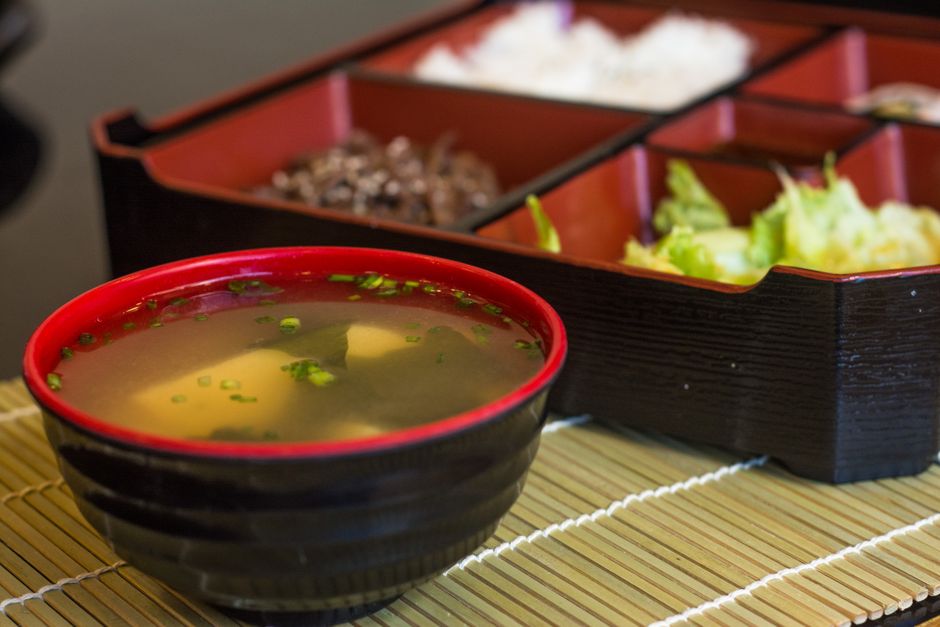
Miso soup is genuinely good for gut health, but not for the reasons most marketing claims suggest. The fermented soybean paste contains live microorganisms and compounds that can influence digestion, though the evidence for dramatic gut changes is modest. Research indicates that regular miso consumption supports digestive function primarily through fermentation byproducts and fiber, not through probiotic effects strong enough to rival supplements.
What Makes Miso Soup Different From Other Soups?
Miso is a fermented paste made from soybeans, salt, and a mold culture called koji. The koji breaks down the soybeans over months or years, creating a food that is fundamentally different from its raw ingredients.
This fermentation process produces organic acids, enzymes, and small amounts of alcohol. It also creates bioactive peptides — short chains of amino acids that form as proteins break down. These peptides are the main reason researchers study miso for digestive health.
Most commercial miso soups in the US are pasteurized or heat-treated. That matters because heat kills live microorganisms. If you are buying shelf-stable miso paste, the live cultures are likely already dead by the time it reaches your kitchen.
Is Miso Soup Good for Gut Health Through Fermentation?
Fermented foods influence the gut through several pathways. The most direct is delivering live microbes to the colon. Some research suggests these microbes can transiently alter the gut microbiome, though they do not permanently colonize the digestive tract.
The evidence for miso specifically is more limited than for yogurt or kefir. Studies on miso’s gut effects are smaller and fewer. What researchers do know is that fermentation changes the nutritional profile of soybeans in ways that matter for digestion.
Fermented soy contains less phytic acid than unfermented soy. Phytic acid can block mineral absorption. By breaking it down, fermentation makes minerals like zinc, magnesium, and iron more available to your body.
This is a meaningful distinction. Unfermented soy products may reduce mineral absorption. Fermented miso does not have this drawback to the same degree.
What Does Miso Soup Actually Do Inside Your Digestive Tract?
Miso contributes to gut health through at least three separate mechanisms. None of them are dramatic on their own, but together they support normal digestion.
First, miso contains dietary fiber from the soybeans. Fiber feeds beneficial bacteria in the colon. When those bacteria ferment fiber, they produce short-chain fatty acids that nourish the cells lining your gut.
Second, the fermentation process creates enzymes that help break down food. Some of these enzymes survive digestion and may assist with protein breakdown in the small intestine. The clinical significance of this is debated, but the mechanism is biologically sound.
Third, miso contains polyamines — compounds that support the renewal of intestinal lining cells. The intestinal lining replaces itself every few days, and polyamines play a role in that process. Some research suggests dietary polyamines support gut barrier integrity.
None of these effects are unique to miso. Other fermented foods provide similar benefits. But miso is a convenient, low-calorie way to get all three in one serving.





Is Miso Soup a Probiotic Food?
This is where marketing gets ahead of the science. A true probiotic must contain live microorganisms that confer a health benefit when consumed in adequate amounts. Miso can contain live cultures, but several factors limit its probiotic potential.
Heat destroys live cultures. If the miso paste was pasteurized, the microorganisms are dead. Even if you buy unpasteurized miso, the soup preparation step often involves boiling, which kills the cultures before you eat them.
To preserve live cultures, you would need to add miso to the soup after it has cooled below about 115°F. Many traditional recipes do exactly this — miso is stirred in at the end, not boiled. But this is not universal practice.
Even with live cultures present, miso has a relatively low concentration of probiotic organisms compared to yogurt or kefir. The salt content also limits microbial diversity. Calling miso a probiotic food overstates what the evidence supports.
The honest position: miso is a fermented food that may deliver some live organisms under the right preparation conditions, but it is not a reliable probiotic delivery system.
Does Miso Soup Help With Bloating or Constipation?
Some people report that miso soup relieves bloating and supports regular bowel movements. The evidence for this is largely anecdotal, but there are plausible mechanisms.
The fiber in miso adds bulk to stool. The fermentation byproducts may stimulate digestive enzyme production. The warm liquid itself promotes hydration, which supports bowel regularity. Any warm soup can do that last part.
No large clinical trials have confirmed that miso specifically treats constipation or bloating. If you experience these symptoms regularly, miso soup is unlikely to be a standalone solution. It may be one small part of a diet that supports digestive health.
If bloating is persistent or painful, see a doctor. Do not assume miso soup will fix it.
Miso Soup and Sodium: The Trade-Off
Miso is high in salt. A single serving of miso soup can contain 600 to 900 milligrams of sodium, depending on how much paste you use and whether the broth has added salt.
The Dietary Guidelines for Americans recommend limiting sodium to less than 2,300 milligrams per day. For people with high blood pressure, the recommendation is often lower — around 1,500 milligrams.
One bowl of miso soup can account for nearly half of that daily limit. If you eat miso soup regularly, you need to account for the sodium elsewhere in your diet.
You can reduce sodium by using less miso paste, diluting with more water, or choosing low-sodium miso varieties. White miso generally has less salt than red or dark miso, though it ferments for a shorter time.
How to Choose Miso for Gut Health Benefits
Not all miso is created equal. The type you choose affects what you actually consume.
Look for unpasteurized miso in the refrigerated section. This indicates the live cultures were not heat-killed. The label may say “live” or “unpasteurized.”
Check the ingredient list. Traditional miso contains only soybeans, rice or barley, salt, and koji. Some commercial products add preservatives, MSG, or artificial flavors. These additives do not support gut health.
Consider the fermentation time. Miso that ferments longer develops more complex flavors and potentially more bioactive compounds. Red miso ferments for years. White miso ferments for weeks to months. Both have value, but they are different products.
Add the miso at the end of cooking. Let the soup cool slightly before stirring in the paste. This preserves any live cultures and prevents the enzymes from being denatured.
What the Research Does and Does Not Show
Research on fermented foods and gut health has expanded significantly in recent years. A 2021 study from Stanford University found that a diet rich in fermented foods increased microbiome diversity and reduced inflammatory markers. That study included fermented foods broadly, not miso specifically.
Studies specifically on miso are fewer. Some research published in Japanese journals has examined miso consumption and digestive health, with generally positive but modest findings. The evidence base is not strong enough to claim miso transforms the gut microbiome.
What the research consistently shows is that fermented foods are associated with better digestive health markers. Miso is one of many fermented foods that fit this pattern. It is not uniquely powerful, but it is a legitimate part of a gut-supporting diet.
No evidence suggests miso is harmful to gut health in normal amounts. The main concern remains sodium, not the fermentation itself.
Practical Ways to Include Miso Soup in a Gut-Healthy Diet
Miso soup works best as part of a varied diet, not as a magic bullet. Here are evidence-based ways to make it part of your routine.
- Use miso as a base for vegetable soup. Add cabbage, carrots, mushrooms, and seaweed for additional fiber and nutrients.
- Stir miso into warm broths rather than boiling it. This preserves any live cultures.
- Pair miso soup with other fermented foods like kimchi or sauerkraut to diversify the microbial input.
- Choose unpasteurized miso when possible, but do not obsess over live cultures. The fermentation byproducts still provide benefits.
- Watch your sodium intake. If you have high blood pressure, talk to your doctor about whether regular miso soup fits your diet.
Miso soup is not a treatment for any digestive condition. It is a nutritious food that can be part of an overall pattern of eating that supports gut health.
Frequently Asked Questions
Does miso soup have live probiotics?
Only unpasteurized miso contains live cultures, and those are killed if the soup is boiled. To get live organisms, add miso to warm broth after cooking.
Can miso soup help with bloating?
Some people report relief, but no clinical trials confirm this. The fiber and warm liquid may support digestion, but persistent bloating needs medical evaluation.
What type of miso is best for gut health?
Unpasteurized miso from the refrigerated section preserves live cultures. White miso has less sodium than red miso, making it easier to consume regularly.
Is it safe to eat miso soup every day?
For most people, daily consumption is fine if you account for sodium. People with high blood pressure or kidney conditions should check with their doctor first.
