
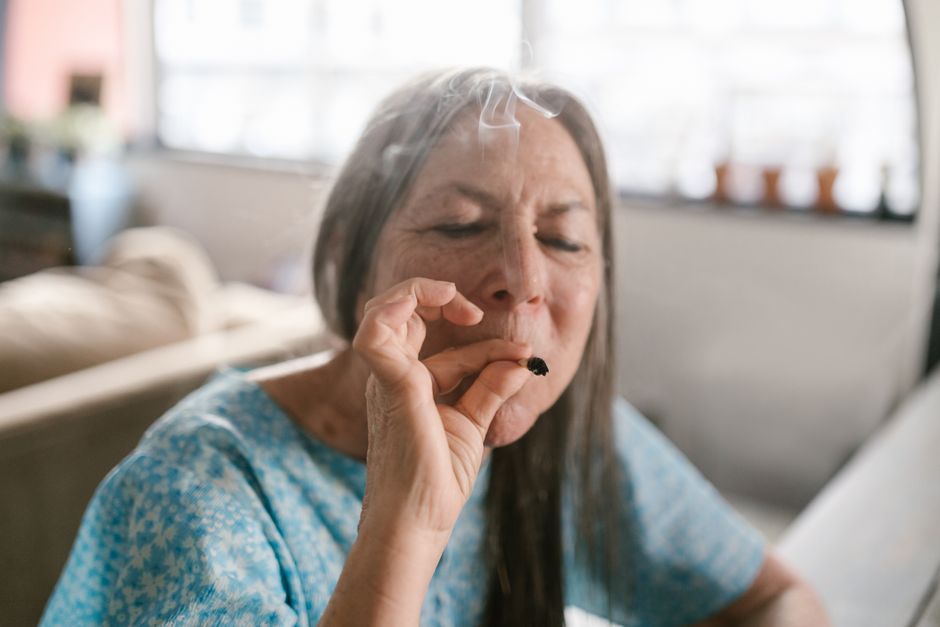
Yes, smoking causes hair loss. The evidence is strong and consistent. Smoking damages your hair follicles in several ways. It restricts blood flow to the scalp. It creates oxidative stress that ages your hair cells. And it harms the hormones that control hair growth. If you smoke and are losing hair, smoking is likely a major reason.
How Does Smoking Damage Hair Follicles?
Your hair follicles need a steady supply of oxygen and nutrients. These come from your blood. Smoking constricts your blood vessels. This is called vasoconstriction. When vessels get smaller, less blood reaches your scalp. Your follicles starve.
Research shows that nicotine is the main culprit here. It triggers the release of a chemical called catecholamine. This chemical tightens blood vessel walls. Over time, this reduces the size of hair follicles. Smaller follicles produce thinner hairs. Eventually, they stop producing hair altogether.
Smoking also thickens your blood. Thicker blood moves more slowly through capillaries. The tiny blood vessels feeding your follicles get clogged more easily. This is not a theory. Studies have found that smokers have significantly lower blood flow to the scalp compared to nonsmokers.
Does Smoking Cause Hormonal Hair Loss Like Male Pattern Baldness?
This is where things get interesting. Male pattern baldness is driven by a hormone called dihydrotestosterone (DHT). DHT shrinks hair follicles in people who are genetically sensitive to it. Smoking appears to make this process worse.
Some studies suggest that smoking increases DHT levels in the scalp. The exact mechanism is not fully understood. But the data is hard to ignore. A 2020 study in the Journal of Cosmetic Dermatology found that male smokers had significantly higher rates of androgenetic alopecia (male pattern baldness) than nonsmokers. The difference was most noticeable in men under 30.
Current research suggests that smoking may also reduce the effectiveness of hair loss treatments like finasteride and minoxidil. If you are taking these medications and still losing ground, smoking could be why.
What Does the Research on Smoking and Hair Loss Actually Show?
Several large studies have looked at this question. The results are consistent. A 2005 study in the Archives of Dermatology surveyed over 700 men. It found that smokers were more likely to have moderate to severe hair loss than nonsmokers. The link was strongest for men who smoked more than 10 cigarettes per day.
A 2018 study from Taiwan looked at over 1,000 men. Researchers found that smokers had a 2.5 times higher risk of developing hair loss compared to nonsmokers. The risk went up with the number of cigarettes smoked per day. This is called a dose-response relationship. It is one of the strongest signs that a cause-and-effect relationship exists.
Research on women is less extensive but points in the same direction. A 2013 study found that female smokers had higher rates of hair thinning. The pattern was different from male pattern baldness. Women experienced more diffuse thinning across the top of the scalp.
Key research findings on smoking and hair loss
| Study | Population | Key Finding |
|---|---|---|
| Archives of Dermatology (2005) | 740 men | Smokers had higher rates of moderate to severe hair loss |
| Taiwan study (2018) | 1,000+ men | Smokers had 2.5x higher risk of hair loss |
| Journal of Cosmetic Dermatology (2020) | 500 men | Smokers under 30 had significantly more hair loss |





Can Quitting Smoking Reverse Hair Loss?
This is the question most people want answered. The short answer is: it depends. If smoking has permanently damaged your follicles, that damage is not reversible. But for many people, quitting can stop further loss and may allow some regrowth.
When you quit smoking, your blood circulation improves within weeks. Your scalp starts receiving more oxygen and nutrients. The oxidative stress on your hair cells decreases. Your hormone levels may also begin to normalize.
Studies on this exact question are limited. Most research focuses on the damage smoking causes, not the recovery after quitting. What we do know comes from general health data. People who quit smoking have better skin health, better wound healing, and better circulation. All of these support healthier hair.
If you quit smoking, give it at least 6 to 12 months before expecting noticeable changes in your hair. Some people see improvements in hair thickness and reduced shedding. Others only see a stop in further loss. Both outcomes are wins.
What actually helps when you quit smoking for hair health
- Improved blood flow to the scalp begins within days
- Oxidative stress levels drop significantly within weeks
- Hormonal balance may improve over several months
- Your body can better absorb nutrients from food
- Your hair may appear shinier and less brittle
What About Vaping and Hair Loss?
Vaping is often marketed as a safer alternative to smoking. But safer does not mean safe. E-cigarettes still deliver nicotine. Nicotine is the main chemical responsible for constricting blood vessels. Vaping also introduces other chemicals into your body that may cause oxidative stress.
As of 2026, there are no large studies specifically linking vaping to hair loss. But the biological mechanism is the same. Nicotine restricts blood flow regardless of whether it comes from a cigarette or a vape pen. The dose of nicotine in some vape products can be very high.
Some people report hair loss after switching from smoking to vaping. This may be because they are using high-nicotine vape juices. Or it could be that the other chemicals in vape liquid cause inflammation. We simply do not have enough data yet. But it is reasonable to assume that any nicotine delivery system carries some risk for hair health.
Common Misconceptions About Smoking and Hair Loss
One common myth is that smoking only causes hair loss in men. This is not true. Women who smoke also experience hair thinning. The pattern may look different, but the damage is real. Female smokers have higher rates of telogen effluvium, a temporary shedding condition triggered by stress on the body.
Another myth is that smoking cigars or pipes is safer for your hair than cigarettes. This is false. Any form of tobacco smoking delivers nicotine to your bloodstream. The amount of nicotine may vary, but the vasoconstrictive effect remains. Cigars and pipes also produce tar and other chemicals that damage skin and hair cells.
Some people believe that smoking only causes hair loss if you already have a genetic predisposition. While genetics do play a role, smoking can cause hair loss even in people without a family history of baldness. The oxidative stress and reduced blood flow affect everyone. Genetics just determine how quickly the damage shows.
Frequently Asked Questions About smoking cause hair loss
Does smoking cause hair loss in women too?
Yes, smoking causes hair loss in women. Female smokers have higher rates of hair thinning and shedding compared to nonsmokers.
How many cigarettes a day cause hair loss?
There is no safe number. Studies show that even smoking 10 cigarettes per day increases your risk. The more you smoke, the higher your risk.
Will my hair grow back if I stop smoking?
It depends on how much damage has been done. Quitting can stop further loss and may allow some regrowth, but permanent follicle damage cannot be reversed.
Does secondhand smoke cause hair loss?
Evidence is limited but suggestive. Secondhand smoke delivers nicotine and toxins that could affect scalp health, especially with prolonged exposure.
