
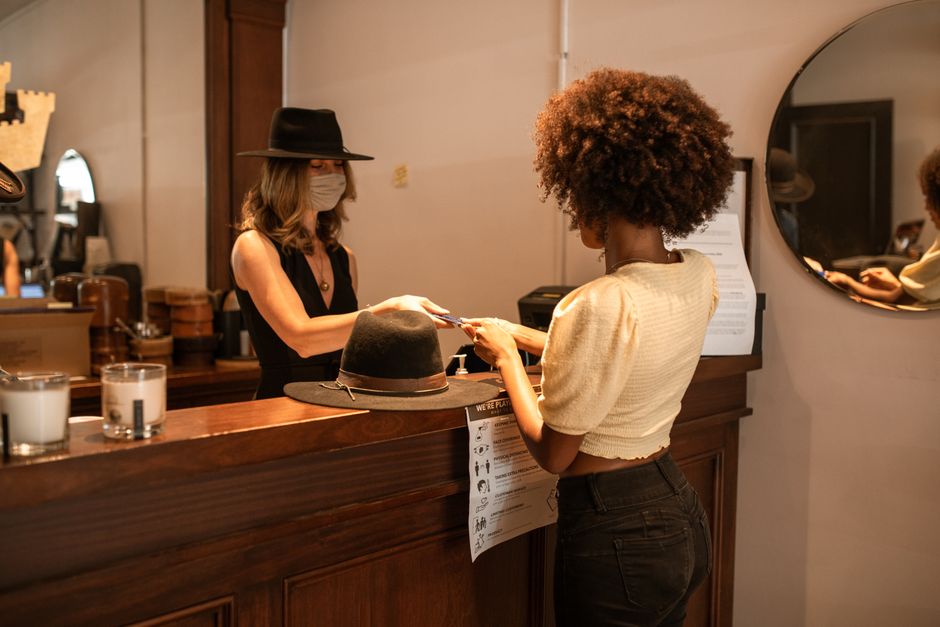
No, wearing hats does not cause hair loss. This is one of the most persistent myths in hair care, and the evidence simply does not support it. Hair loss is primarily driven by genetics, hormones, and age — not by what you wear on your head. While there are rare edge cases where a hat could contribute to temporary hair issues, the idea that your favorite baseball cap is making you go bald is not backed by science.
What Actually Causes Hair Loss?
Hair loss is complicated, but the most common cause is straightforward. About 95% of hair loss in men is androgenetic alopecia, also known as male pattern baldness. This is a genetic condition where hair follicles are sensitive to a hormone called dihydrotestosterone (DHT). Over time, DHT shrinks the follicles until they stop producing hair entirely.
For women, the picture is similar. Female pattern hair loss also has a strong genetic component, though hormones like estrogen play a bigger role. Other causes include stress (telogen effluvium), medical conditions like thyroid disorders, and certain medications. But none of these have anything to do with wearing a hat.
Current research suggests that traction alopecia — hair loss from constant pulling — is the only type directly linked to headwear. This happens with very tight ponytails, braids, or headgear that pulls on the hair roots for hours every day. A loose-fitting hat does not pull on your hair. It just sits there.
Can Wearing a Hat Every Day Damage Your Hair?
There is a difference between hair loss and hair damage. Hats do not make hair fall out from the root, but they can cause some surface-level issues if worn carelessly. A dirty hat can trap sweat and oil against your scalp. This can lead to clogged follicles, itchiness, or dandruff. None of these cause permanent hair loss, but they can make your scalp unhappy.
Another concern is friction. If you wear a very tight hat and move your head a lot, the fabric can rub against your hair shafts. Over time, this can cause breakage — especially if your hair is already dry or fragile. Breakage is not the same as hair loss. The hair is still growing from the root; it just snaps off partway down. This can make hair look thinner, but it grows back once you stop the friction.
The fix is simple. Wash your hats regularly. Do not wear them soaking wet. And if your hat leaves deep red marks on your forehead, it is too tight. Loosen it or get a larger size.
What Does the Research on Hats and Hair Loss Show?
There is surprisingly little direct research on hats cause hair loss, probably because scientists do not consider it a serious hypothesis. What we do have is indirect evidence. Studies on traction alopecia show that constant tension on hair roots — from tight hairstyles or heavy headgear — can cause permanent hair loss if left untreated for years. But the key word is tension. A regular hat does not pull on the hair root.
One study published in the Journal of the American Academy of Dermatology looked at women who wore tight headscarves for religious or cultural reasons. Some developed traction alopecia along the hairline. But again, this was from tight, constant tension — not from simply covering the head. The same study noted that loose-fitting headwear did not cause any measurable hair thinning.
Another line of evidence comes from studies on scalp temperature and blood flow. Some people worry that hats restrict blood flow to the scalp, starving hair follicles. This is not supported by research. Blood vessels in the scalp are deep and not compressed by a hat. Even tight hats do not reduce blood flow enough to affect hair growth. Your follicles get plenty of oxygen and nutrients regardless of what you wear.




When Could a Hat Contribute to Hair Issues?
There are three specific scenarios where a hat might play a role in hair problems. None of them are common, but they are worth knowing about.
First, traction alopecia from very tight hats. This is rare but real. If you wear a construction hard hat or a tight cycling helmet for eight hours a day, the constant pressure on the same spot can cause hair thinning. This usually reverses once you stop wearing the gear or adjust the fit. Permanent damage only happens after years of daily use without breaks.
Second, scalp infections from dirty hats. A sweaty, unwashed hat can become a breeding ground for bacteria and fungi. This can lead to folliculitis — an infection of the hair follicles. Folliculitis causes small, red bumps and temporary hair shedding. Once treated with proper hygiene or medicated shampoo, the hair usually grows back. This is not permanent loss.
Third, hair breakage from rough fabrics. Some hat linings are made of scratchy materials that snag hair. If you have fine or fragile hair, this can cause breakage over time. The fix is to wear a silk or satin liner inside the hat, or choose hats with smooth inner fabrics.
Here is a quick comparison of hat-related hair issues versus true hair loss:
| Issue | Caused by hats? | Permanent? | Fix |
|---|---|---|---|
| Hair breakage | Yes, from friction | No, grows back | Softer hat lining |
| Scalp irritation | Yes, from sweat/dirt | No, resolves with hygiene | Wash hat regularly |
| Traction alopecia | Rarely, from tight hats | Only after years | Loosen or remove hat |
| Genetic baldness | No | Yes, progressive | Medical treatment |
| Stress-related shedding | No | Usually temporary | Reduce stress |
Common Misconceptions About Hats and Hair
Many people believe hats suffocate the scalp or prevent hair from breathing. Hair is dead tissue once it leaves the scalp. It does not need to breathe. The scalp itself gets oxygen from blood circulation, not from air. A hat does not cut off oxygen to your hair follicles.
Another myth is that wearing a hat speeds up male pattern baldness. This is false. Genetics determine whether you will go bald and roughly when it will start. A hat does not change your DNA. If you are destined to lose hair in your 30s, it will happen whether you wear a hat or not. The hat is just a witness.
Some people also claim that hats trap heat and cook the hair follicles. Scalp temperature does rise slightly under a hat, but not enough to damage follicles. Hair follicles are designed to handle body heat. They sit inside your scalp, which is already warm. A few extra degrees from a hat do not matter.
What Actually Works for Preventing Hair Loss?
If you are worried about hair loss, focus on things that matter. The only two treatments with strong evidence for genetic hair loss are minoxidil (Rogaine) and finasteride (Propecia). Minoxidil is a topical foam or liquid that stimulates hair growth. Finasteride is a pill that blocks DHT production. Both require a prescription or medical consultation and must be used continuously to maintain results.
For temporary shedding from stress or illness, the best approach is patience. Once the trigger resolves, hair usually grows back within six months. Eating a balanced diet with enough protein, iron, and zinc supports healthy hair growth but will not reverse genetic baldness.
Low-level laser therapy and microneedling have some evidence for mild to moderate hair loss. These are not magic cures, but they can help in combination with medical treatments. Avoid supplements that promise to regrow hair unless they have clinical data behind them. Most are overpriced and understudied.
If you notice sudden patchy hair loss or rapid thinning, see a dermatologist. They can run blood tests to check for thyroid problems, iron deficiency, or autoimmune conditions like alopecia areata. These are treatable, but only if you catch them early.
What to Avoid in Hair Loss Products
The hair loss industry is full of products that make big claims without evidence. Avoid anything that promises to cure baldness in weeks or reverse genetic hair loss completely. No product can do that as of 2026. Even the best treatments only slow progression and regrow some hair.
Be skeptical of shampoos that claim to block DHT. While some ingredients like ketoconazole may have a minor effect, the concentration in shampoo is too low to make a real difference. It is not a substitute for finasteride. Similarly, caffeine shampoos may temporarily stimulate the scalp but will not stop genetic hair loss.
Do not fall for laser combs that cost hundreds of dollars with no proven benefit. Some low-level laser devices have clinical studies behind them, but many do not. Check for peer-reviewed research before spending money. If the company does not publish real data, assume the product does not work.
Frequently Asked Questions About hats cause hair loss
Can wearing a hat every day cause baldness?
No, daily hat use does not cause baldness. Baldness is caused by genetics and hormones, not by covering your head. Even years of daily hat wearing will not trigger genetic hair loss.
Do tight hats cause hair loss?
Tight hats can cause traction alopecia if worn for many hours every day over years. This is rare and usually reversible by loosening or removing the hat. Most people never experience this.
Can dirty hats make your hair fall out?
Dirty hats can cause scalp infections like folliculitis, which may lead to temporary hair shedding. Once the infection is treated, hair typically grows back. This is not permanent hair loss.
Does wearing a hat reduce blood flow to the scalp?
No, hats do not reduce blood flow enough to affect hair growth. Blood vessels in the scalp are deep and not compressed by normal hat pressure. Your follicles continue to receive oxygen and nutrients normally.
