
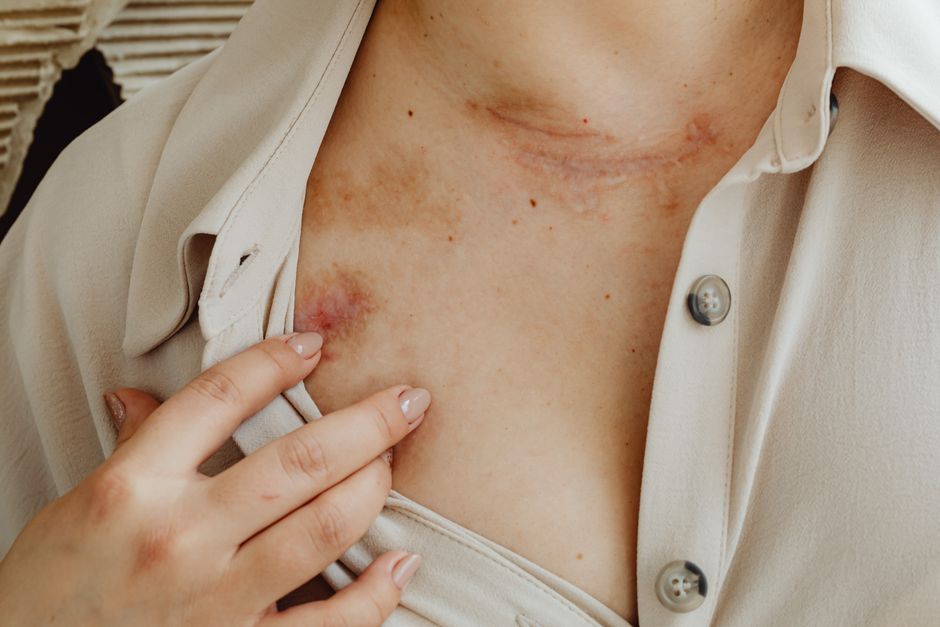
Road rash is a friction burn. It happens when skin scrapes against a hard surface, like pavement or gravel. The short answer is yes, road rash can scar, but most road rash heals without permanent marks if you treat it correctly. The key factors are how deep the wound is, how quickly you clean it, and how you care for it during the healing process. Proper wound care and protecting the new skin from the sun are your best tools for preventing scars.
What Exactly Is Road Rash?
Road rash is not a burn from heat. It is a scrape caused by friction. When your skin slides across a rough surface, the top layers are literally rubbed away. The technical name is an abrasion.
Think of it like a cheese grater. The pavement grates off the epidermis and sometimes the dermis below it. The deeper the scrape, the more damage to the skin structure. That depth is the main predictor of whether a scar will form.
Why Do Some Road Rash Wounds Scar and Others Don’t?
Scarring depends on how much of the dermis is damaged. The dermis is the second layer of skin. It contains collagen, which is the protein that gives skin its structure and strength.
When only the top layer (epidermis) is scraped, the skin regenerates completely. No scar remains. When the scrape reaches into the dermis, the body must patch the damage with collagen fibers. This patch is a scar. It looks different from normal skin because the collagen fibers are arranged in parallel lines rather than a flexible basket-weave pattern.
Deeper wounds that reach the fat layer or muscle almost always leave scars. Wounds that bleed heavily or expose yellow fatty tissue are deep. These need medical attention.
Does Road Rash Scar And How To Prevent It: The First 24 Hours
What you do immediately after the injury matters more than anything else. The primary goal is preventing infection. An infected wound heals poorly and is far more likely to scar.
Here is the sequence that matters:
- Clean the wound gently. Rinse it with clean water to remove dirt, gravel, and debris. Do not scrub. Use a mild soap if available.
- Remove embedded debris. Small particles left in the wound can cause “tattooing,” a permanent dark spot. This is not a true scar, but it looks like one. If debris is deeply embedded, a doctor needs to remove it.
- Apply a clean dressing. Keep the wound covered and moist. A moist wound environment speeds up healing and reduces scab formation. Large, hard scabs increase scarring.
- Change the dressing daily. Wash your hands first. Clean the wound gently with water and reapply a fresh dressing.
Do not let the wound dry out and form a thick scab if you can avoid it. While the old advice was to let wounds “air out,” modern wound care shows that moist healing produces better cosmetic results.





When Should You See a Doctor for Road Rash?
Most road rash is minor and can be managed at home. Some situations require professional medical care. Do not delay if you have any of the following:
- The wound is deep, and you can see fat or muscle tissue.
- Bleeding does not stop with direct pressure.
- The wound is larger than the palm of your hand.
- The wound is on your face, hands, or over a joint.
- You have signs of infection: increasing pain, redness spreading from the wound, pus, or fever.
- You have not had a tetanus shot in the past 5 to 10 years.
Road rash from a motorcycle or bicycle accident often contains road grit. A doctor can properly irrigate the wound to remove all foreign material. This significantly reduces the risk of infection and permanent tattooing.
What Is the Best Wound Dressing for Road Rash?
Not all bandages are equal. For a friction burn, a standard adhesive bandage is often not enough. You need a dressing that keeps the wound moist without sticking to it.
Petroleum jelly is a simple and effective option. Apply a thin layer to the wound and cover it with a non-stick gauze pad. The petroleum jelly keeps the wound bed moist and prevents the gauze from adhering to the healing tissue.
Specialized hydrocolloid dressings are another strong option. These are gel-based bandages that create a moist healing environment. They can be left in place for several days. They also reduce pain because they protect exposed nerve endings from air contact.
Change the dressing as often as needed to keep the wound clean and moist. If the dressing sticks, soak it in warm water to loosen it before pulling it away. Pulling a stuck dressing off reopens the wound and increases scarring.
How Long Does Road Rash Take to Heal?
Healing time depends on the depth of the wound. A superficial scrape may heal in 3 to 7 days. A deeper wound that damages the dermis can take 2 to 3 weeks or longer.
You will notice the wound change as it heals. It will move from a raw, weeping surface to a pink, new skin layer. This new skin is fragile. It looks shiny and feels tight. It can easily tear if you bump it or stretch it too much.
Redness around the wound is normal in the first few days. This is inflammation, the body’s natural healing response. However, redness that spreads, increases in intensity, or is accompanied by warmth and swelling may indicate an infection. This requires medical evaluation.
How to Minimize Scarring as the Wound Heals
Once the wound has closed and new skin has formed, your focus shifts to scar prevention. The new skin is still remodeling. This process takes months. Your actions during this period directly affect the final appearance.
Protect the new skin from the sun. This is the single most important step in scar prevention. New skin has no melanin protection. UV rays can permanently darken the healing area, making the scar more visible. Use a broad-spectrum sunscreen with SPF 30 or higher on the healed area. Keep the area covered with clothing when possible. Continue sun protection for at least 6 to 12 months after the injury.
Keep the skin moisturized. Use a fragrance-free moisturizer or a product containing silicone. Silicone gels and sheets have strong evidence for improving scar appearance. They hydrate the scar and help regulate collagen production.
Massage the area gently. Once the skin is fully closed and no longer fragile, gentle massage can help break up tight collagen fibers. Use your fingertips and a moisturizer. Move in small circles. This is a common recommendation from physical therapists and dermatologists, but it must be done gently to avoid damaging new tissue.
Avoid picking or scratching. The area will itch as it heals. Scratching can tear the fragile new skin and set back the healing process. Keep the area covered and moisturized to reduce itchiness.
What Makes a Scar More Likely?
Certain factors increase the risk of visible scarring. Some are within your control. Others are not.
Location matters. Wounds over joints, like knees and elbows, are more prone to scarring because the skin is constantly stretched and moved during healing. The chest and shoulders are also prone to thicker scars. The face heals well but is highly visible, so any scar is more noticeable.
Genetics play a role. Some people are predisposed to forming keloid or hypertrophic scars. These are raised, thick scars that extend beyond the original wound area. If you have a history of raised scars from previous injuries, you are more likely to form them after road rash.
Age affects healing. Younger skin heals faster but often produces more pronounced scars. Older skin heals slower but may scar less visibly because the skin’s natural collagen production is already reduced.
When Should You Start Scar Treatment?
Start scar treatment only after the wound has fully closed. Applying silicone sheets or scar creams to an open wound can trap bacteria and cause infection.
Once the skin is closed and no longer weeping, you can begin. For most people, this is around the 2-week mark. Some deeper wounds take longer.
There is no benefit to starting scar treatments early on an open wound. The priority is always getting the wound to close cleanly first. A cleanly healed wound is the best foundation for minimal scarring.
What About Over-the-Counter Scar Creams?
The market is full of scar creams and gels. Some work. Most do not live up to their advertising.
Silicone-based products have the strongest evidence. They come as gels, sheets, or sticks. They create a protective barrier over the scar that hydrates it and regulates collagen. Dermatologists commonly recommend them.
Products containing onion extract are widely sold. Some research suggests they may improve scar appearance, but the evidence is not as strong as it is for silicone. Results vary from person to person.
Vitamin E is often promoted for scars. However, topical vitamin E has not been shown to improve scar appearance. In some people, it causes contact dermatitis, a rash that makes the area worse. There is no strong evidence to support using vitamin E on healing wounds.
Frequently Asked Questions
Does road rash always leave a scar?
No. Superficial road rash that only affects the top skin layer heals without scarring. Deeper wounds that damage the dermis layer are much more likely to leave a permanent mark.
How soon should I clean road rash?
Clean the wound as soon as possible to remove dirt and debris. Prompt cleaning reduces the risk of infection and prevents permanent tattoo-like marks from embedded gravel.
Should I let road rash scab over or keep it covered?
Keep it covered with a moist dressing. Moist wound healing reduces scab formation and produces better cosmetic results than letting the wound dry out.
How long does road rash take to stop hurting?
Pain usually decreases significantly after the first few days as the wound begins to heal. Deeper wounds may hurt for 1 to 2 weeks, especially around joints where the skin stretches.
