
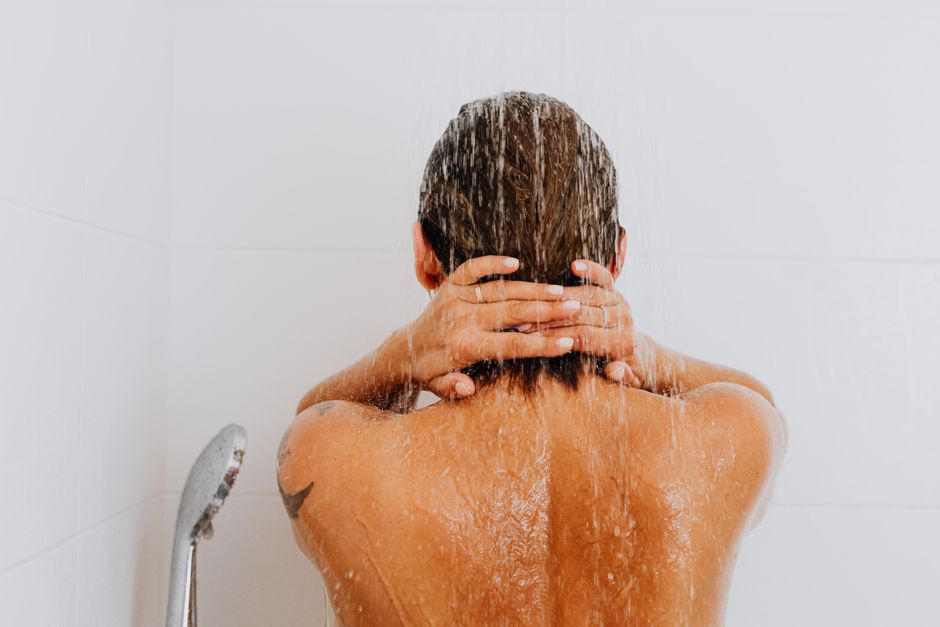
If you have ever stepped out of the shower and noticed your hair still looks slick or weighed down, you might wonder if plain water is enough to cut the grease. The short answer is no—rinsing with water alone will not make your hair less greasy. Water cannot dissolve the natural oils, known as sebum, that your scalp produces. To actually remove that buildup, you need a surfactant, which is the cleansing agent found in shampoo.
Why Water Alone Cannot Remove Grease
Oil and water do not mix. This is a basic principle of chemistry, and it applies directly to your hair. The grease on your scalp and strands is sebum, a waxy, oily substance produced by the sebaceous glands. Because sebum is an oil, it repels water. When you rinse your hair, the water simply rolls off the oily surface rather than lifting it away.
Think about washing greasy dishes. If you run them under hot water without soap, the grease stays put. Your hair works the same way. Water can wash away dirt, sweat, and other water-soluble debris, but it lacks the ability to break down oil.
To remove oil, you need a surfactant. Surfactants are molecules with one end that attracts water and another end that attracts oil. Shampoos contain these molecules, which bind to the sebum and allow it to be rinsed away with water. Without that chemical action, the oil remains on the hair shaft.
What Rinsing Actually Does to Your Hair
While water cannot remove grease, it is not entirely useless. A thorough rinse can remove loose particles, product residue that is water-soluble, and sweat. This can make the hair feel slightly cleaner, but it will not address the oily buildup at the root.
In fact, rinsing with water alone might make the situation look worse in some cases. When you wet your hair, the water causes the hair cuticle to swell and lift slightly. On oily hair, this can distribute the existing sebum more evenly down the hair shaft. What started as a greasy scalp can turn into hair that looks oily from root to tip.
There is also a difference between how water interacts with the hair depending on temperature. Warm water can help melt and soften sebum, making it easier for shampoo to do its job afterward. Cold water, on the other hand, helps flatten the hair cuticle, which can increase shine. But neither temperature removes oil on its own.
The Role of Shampoo in Managing Oil
Shampoo is formulated specifically to bind to oils and lift them from the hair. The surfactants in shampoo surround the oil droplets and allow them to be suspended in water so they can be washed away. Without shampoo, the oil simply stays put.
If you are trying to reduce how often you wash your hair, you may have tried “water-only washing.” Some people use this method to let their scalp adjust its oil production. The theory is that frequent shampooing strips the scalp of all oils, causing it to overproduce sebum to compensate. By skipping shampoo and using only water, the scalp may eventually produce less oil.
There is limited clinical evidence to confirm this adaptation fully works for everyone. Some people do report success with water-only washing, but results vary widely. For many, the transition period involves weeks of noticeably greasy hair. Others find that water alone never provides the clean feeling they need.





How Often Should You Shampoo?
There is no universal rule for how often you should wash your hair. It depends on your scalp type, hair texture, activity level, and environment. People with fine, straight hair often produce more visible oil quickly. People with thick, curly, or coily hair may go longer between washes because the oil travels down the hair shaft more slowly.
For most people, washing every two to three days is a reasonable starting point. Some people with very oily scalps may need daily washing. Others with dry scalps or textured hair may wash once a week or less. The key is to pay attention to how your scalp and hair respond.
If you are trying to stretch the time between washes, dry shampoo can help absorb excess oil at the roots. This is a cosmetic solution, not a cleansing one. It does not remove oil; it soaks it up temporarily so the hair looks fresher.
Can You Train Your Hair to Be Less Greasy?
The idea that you can “train” your scalp to produce less oil is popular online, but the evidence is not strong. Your sebum production is influenced by hormones, genetics, and age—not just by how often you wash. There is no solid research proving that reducing shampoo frequency permanently changes your oil output.
Some dermatologists suggest that over-washing can dry out the scalp, which might trigger a rebound effect of increased oil production. This is biologically plausible, but it has not been confirmed in large human trials. What is clear is that stripping the hair completely with harsh shampoos can cause irritation and dryness.
If you want to reduce greasiness over time, focus on gentle cleansing rather than skipping shampoo entirely. Using a mild shampoo and massaging it only into the scalp can help manage oil without over-drying the lengths of your hair.
Practical Tips for Managing Oily Hair
If greasy hair is a daily frustration, a few practical adjustments can help. First, focus your shampoo on the scalp, not the ends. The scalp is where oil is produced. The ends of your hair are usually drier and do not need the same cleansing.
- Use lukewarm water rather than very hot water. Hot water can stimulate the scalp and potentially increase oil production.
- Rinse thoroughly. Shampoo or conditioner left behind can look like grease.
- Condition only the mid-lengths and ends. Conditioner applied to the scalp adds unnecessary moisture to an already oily area.
- Brush your hair less frequently. Brushing spreads scalp oil down the hair shaft, making the whole head look greasy faster.
- Wash pillowcases regularly. Oils and product residue transfer to your pillowcase and back onto your hair overnight.
These steps will not stop your scalp from producing oil, but they can help manage how quickly that oil becomes visible.
When Greasy Hair Is a Sign of Something Else
For most people, oily hair is simply a normal variation of scalp physiology. But in some cases, excessive oiliness can be linked to a medical condition. Seborrheic dermatitis is a common condition that causes flaky, greasy scales on the scalp. It is often accompanied by redness and itching. If you notice these symptoms, a dermatologist can help diagnose and treat the underlying issue.
Hormonal changes can also affect sebum production. Puberty, menstrual cycles, pregnancy, and menopause can all alter how oily your scalp becomes. Some medications and supplements can have the same effect. If you notice a sudden, dramatic increase in oiliness, it is worth discussing with a healthcare provider.
Frequently Asked Questions
Does rinsing your hair with water make it less greasy?
No. Plain water cannot dissolve the natural oils on your scalp and hair. You need shampoo, which contains surfactants, to break down and rinse away the grease.
Is water-only hair washing effective?
Some people report success with water-only washing, but clinical evidence is limited. Results vary widely, and many people experience a greasy transition period that lasts for weeks.
Does hot water remove more oil from hair?
Warm water can soften sebum, making it easier for shampoo to work, but hot water alone will not remove oil. Very hot water may also irritate the scalp and potentially increase oil production.
Can you train your scalp to produce less oil?
There is no strong evidence that washing less frequently permanently changes your scalp’s oil production. Sebum output is driven by hormones and genetics more than washing habits.
If your hair feels greasy shortly after washing, you may want to check that you are using the right shampoo for your hair type. A clarifying shampoo used once a week can help remove stubborn buildup. But for everyday cleansing, a gentle, sulfate-free formula may be a better balance for your scalp.
Rinsing your hair with water is a fine first step in your routine, but it is not a substitute for actual cleansing. If your goal is less grease, reach for the shampoo. The water is just the delivery system—it is the cleanser that does the real work.
