
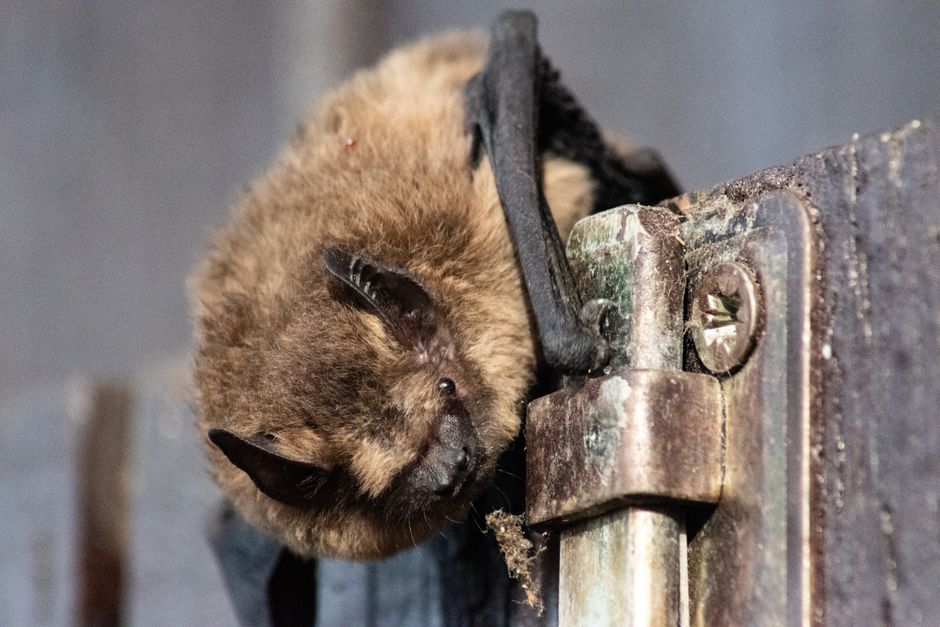
Rabies does kill bats. The virus attacks the nervous system of any mammal it infects, and bats are no exception. What makes bats unusual is not that they die from rabies — it is how often they survive exposure to it, how long they can carry it, and how rarely they pass it to people despite living near us in large numbers.
This matters because bats are the leading source of rabies deaths in the United States. That is a real risk. It is also a small one, and it is almost entirely preventable with the right information and prompt action after any exposure.
Does Rabies Kill Bats?
Yes. Rabies is almost always fatal once symptoms appear, and that applies to bats as it does to other mammals. The virus travels along nerves toward the brain, and by the time an animal shows signs of illness, the damage is too far along for its immune system to stop it.
There is one important exception. Bats appear to be better than most mammals at surviving rabies infection. Some research suggests certain bat species can carry the virus and develop antibodies against it without dying quickly. This does not mean they are immune. It means the virus and bats have a long shared history, and some individual bats may clear the infection or live with it longer than a raccoon or a dog would.
An animal that survives the initial infection can still spread the virus to others during the period it is carrying it. That is one reason bats are studied so closely by public health researchers.
How Do Bats Get Rabies?
Bats get rabies the same way other mammals do — through contact with infected saliva, usually from a bite. Rabies is not spread through blood, urine, or droppings. It moves from animal to animal when the virus in saliva reaches broken skin or a mucous membrane.
Among bats, the virus can pass through bites during roost crowding, mating, or fighting over space. A bat that is already infected and shedding virus in its saliva can infect others in the same colony.
Bats do not all carry rabies. The percentage of bats infected at any given time is low, and it varies by species and location. You cannot tell whether a bat has rabies just by looking at it during the early stages. This is why any bat that has contact with a person is treated as a possible exposure until it can be tested.
What Are the Signs of Rabies in Bats?
A rabid bat may behave strangely. The most reliable warning sign is a bat that is active during the day, lying on the ground, or unable to fly. Healthy bats avoid people and are active at night.
Other possible signs include:
- Flying in daylight or in unusual places
- Resting on the ground or on a wall at eye level
- Appearing paralyzed, weak, or unable to move normally
- Flying into objects or people
- Making unusual sounds or appearing unafraid of humans
These signs are not proof of rabies. A bat on the ground could be injured, sick with something else, or simply exhausted. The only way to know for certain is laboratory testing of the animal. Because the signs overlap with other conditions, any bat that behaves oddly should be treated as a possible rabies exposure and handled only by trained professionals.




Can You Get Rabies From a Bat?
Yes, and bat bites are the leading cause of rabies deaths in the United States. The exposure is often different from what people expect. Many bat bites are so small that the person does not feel them or notice a mark. A bat’s teeth are tiny, and a bite during sleep may leave no visible wound.
Because of this, public health guidance treats certain situations as an exposure even without a confirmed bite. If a bat is found in a room where someone was sleeping, or in a room with a young child or a person who cannot report what happened, that situation is generally treated as a possible rabies exposure unless the bat is captured and tests negative.
Rabies is not spread by touching a bat’s fur, by bat droppings, or by being near bats in general. It requires saliva contact with broken skin or a mucous membrane — the eyes, nose, or mouth.
What Should You Do After Contact With a Bat?
Wash the area thoroughly with soap and water right away. Soap and running water reduce the amount of virus at the site, and prompt washing is one of the most effective steps you can take.
Then contact a healthcare provider or your local health department immediately. Do not wait for symptoms. Rabies is preventable after exposure if treatment starts before symptoms appear, and it is nearly always fatal once they do.
Post-exposure treatment typically involves a series of rabies vaccine doses, and in some cases rabies immune globulin given near the wound. The exact schedule is set by current clinical guidelines, and a healthcare provider will determine what is appropriate for your situation. If the bat can be safely captured without direct contact, health officials may test it — a negative test can spare you the full treatment course.
Never handle a bat with bare hands. If you must move one, use thick gloves, a shovel, or a container, and only if it can be done without touching the animal.
How Can You Prevent Rabies Exposure From Bats?
Prevention comes down to keeping bats out of living spaces and never touching one. Bats are beneficial animals that eat large numbers of insects, so the goal is separation, not elimination.
- Seal gaps in attics, roofs, and walls. Bats can enter through openings smaller than you might expect.
- If bats are roosting in a building, contact a wildlife control professional. Do not try to remove a colony yourself.
- Teach children never to pick up or touch a bat.
- Keep pets up to date on rabies vaccination. Pets can be exposed too.
- If you find a bat indoors, close the room off, note where it is, and call your health department or animal control.
Bat exclusion should be done during the right season to avoid trapping young bats inside. A wildlife specialist will know the local rules, which vary by state.
Does Rabies Kill Bats — Signs, Risks, and Prevention
Rabies kills bats, but the bigger public health story is how the disease moves from bats to people and how reliably that chain can be broken. The virus is fragile outside a host and does not spread through the air or through casual contact. It spreads through saliva and a break in the skin, which is why a bite — or a situation where a bite could have happened unnoticed — is the event that matters.
The risk to most people is low. The consequences of ignoring a possible exposure are not. That gap between low probability and high consequence is exactly why public health guidance is cautious rather than casual.
If you are ever unsure whether a bat contact counts as an exposure, treat it as one and call a professional. That single phone call resolves the uncertainty, and it is the step that has prevented the most rabies deaths.
Frequently Asked Questions
Can a bat have rabies and not show symptoms?
Yes. A bat can carry and shed the rabies virus before it shows any signs of illness. This is why any bat that has contact with a person is treated as a possible exposure even if it looks healthy.
How common is rabies in bats?
Only a small percentage of bats carry rabies at any given time, and the rate varies by species and region. Because you cannot tell by looking, any bat contact is handled as a potential exposure.
Can you get rabies just from a bat flying near you?
No. Rabies requires saliva contact with broken skin or a mucous membrane, so simply being near a flying bat does not transmit the virus. A bite or a situation where a bite could have gone unnoticed is what creates risk.
What should I do if I wake up and find a bat in my room?
Leave the room, close the door, and call your health department or a healthcare provider right away. A bat in a room where you were sleeping is generally treated as a possible exposure unless the bat is captured and tests negative.
