
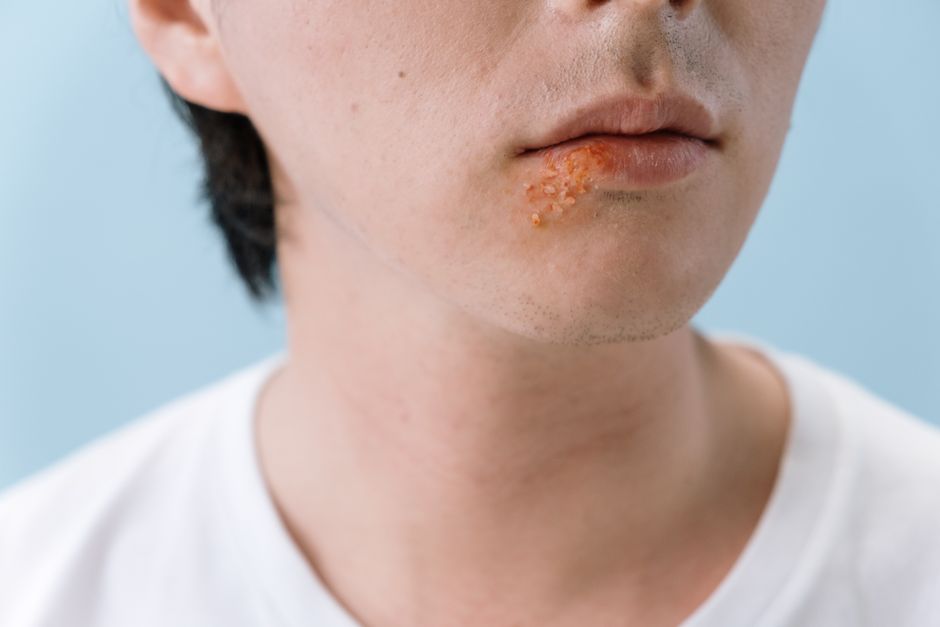
Herpes in the ear is caused by the same herpes simplex virus (HSV) that causes cold sores or genital herpes. The virus travels through nerves to the ear area, usually after a previous infection reactivates, and it can also affect the facial nerve, which controls hearing and balance. While it sounds unusual, the ear is a known target for herpes because the virus lives in nerve cells near the face and head.
How Do You Get Herpes In The Ear Causes Risks?
Herpes in the ear happens when the herpes simplex virus reaches the nerves that serve the ear. Most people already carry HSV-1, the strain linked to cold sores, from childhood. The virus stays dormant in nerve roots after the first infection. If it reactivates, it travels along the nerve pathway to the skin it supplies. When that nerve is the one serving the ear, you get lesions on or inside the ear.
The other route involves the varicella-zoster virus, which is the same virus that causes chickenpox and shingles. When shingles affects the ear and facial nerve, it is called Ramsay Hunt syndrome. This is a different virus from HSV, but it produces similar ear symptoms. Both viruses can cause pain, blisters, and in some cases hearing problems.
Direct contact with an active cold sore can also spread HSV to the ear. Touching a cold sore and then touching your ear transfers the virus. This is more common in children and people who do not wash their hands after touching a sore.
What Does Herpes in the Ear Look and Feel Like?
The symptoms depend on which nerve is involved. In mild cases, you may notice small, painful blisters on the outer ear, the earlobe, or inside the ear canal. The skin around the blisters may look red and inflamed. These blisters can break open and crust over, similar to a cold sore.
When the virus affects the facial nerve, symptoms go beyond the skin. You may feel sharp ear pain, ringing in the ear, or a feeling of fullness. Some people develop dizziness or balance problems. In more serious cases, the facial muscles on the affected side weaken, which can look like a stroke. This condition requires urgent medical care.
Hearing loss can occur in some cases. It may be temporary or permanent. The risk of lasting hearing damage is higher when treatment is delayed. If you notice blisters in your ear along with facial weakness or hearing changes, see a doctor immediately.
Who Is at Higher Risk for Herpes in the Ear?
Anyone who has had cold sores carries the virus and could develop ear symptoms, but certain situations increase the risk. Stress, illness, fatigue, and a weakened immune system can trigger reactivation. Sun exposure and skin trauma to the ear area also appear to play a role.
People with conditions that suppress the immune system face higher risk. This includes people on chemotherapy, organ transplant recipients, and those with advanced HIV. For these individuals, the infection can be more severe and may spread beyond the ear.
Age matters for the varicella-zoster form. Shingles, including Ramsay Hunt syndrome, becomes more common after age 50. The risk continues to rise with each decade. Older adults are also more likely to experience complications such as prolonged pain after the rash heals, a condition called postherpetic neuralgia.





Can Herpes Spread from the Ear to Other People?
Yes. Active blisters contain live virus. If someone touches the blisters and then touches another person, transmission is possible. The virus can also transfer through shared towels, earbuds, or headphones if they come into contact with open lesions.
Once the blisters crust over and heal, the risk of transmission drops significantly. The virus does not survive long outside the body. It needs direct contact with skin or mucous membranes to infect a new host.
People with active ear herpes should avoid touching the area and wash hands frequently. Avoid sharing personal items that contact the ear, such as earphones, helmets, or towels. This is especially important around infants and people with weakened immune systems, who are more vulnerable to severe infection.
How Is Herpes in the Ear Diagnosed?
Doctors often diagnose herpes in the ear by examining the blisters and asking about symptoms. The location of the rash and any facial weakness provide strong clues. In typical cases, no laboratory test is needed.
When the diagnosis is unclear, a doctor may swab an open blister and send it for viral testing. This test detects the virus’s genetic material and can confirm whether HSV or varicella-zoster is responsible. The distinction matters because the treatments differ slightly.
If hearing loss or balance problems are present, an audiologist may perform hearing tests. In rare cases, imaging such as an MRI is ordered to rule out other causes of facial paralysis, such as a tumor or stroke. These tests are not routine but become necessary when symptoms are unusual or severe.
What Treatments Are Available for Herpes in the Ear?
Antiviral medications are the main treatment for both HSV and varicella-zoster infections in the ear. These drugs work best when started within 72 hours of symptom onset. They reduce the duration of symptoms, lower the risk of complications, and may improve the chance of facial nerve recovery.
Common antiviral drugs include acyclovir, valacyclovir, and famciclovir. These are prescription medications. The dose for ear herpes is typically higher than the dose used for a routine cold sore. Treatment usually lasts 7 to 10 days, depending on the drug and the severity of the infection.
Pain management is an important part of care. Over-the-counter pain relievers such as acetaminophen or ibuprofen can help. For severe pain, a doctor may prescribe stronger medication. Corticosteroids are sometimes added to reduce inflammation of the facial nerve, though the evidence supporting this practice is mixed. Some clinicians recommend them; others do not. Discuss the risks and benefits with your doctor.
For Ramsay Hunt syndrome, early treatment is critical. Studies have shown that starting antivirals within 3 days of symptoms improves the odds of facial nerve recovery. Delayed treatment increases the risk of permanent facial weakness and hearing loss.
Can Herpes in the Ear Be Prevented?
Prevention focuses on reducing reactivation and avoiding transmission. For people with frequent cold sores, identifying triggers such as stress or lack of sleep can help. Managing these triggers may reduce the number of outbreaks, though it does not eliminate the virus.
The shingles vaccine is the most effective way to prevent the varicella-zoster form of ear herpes. The CDC recommends that adults aged 50 and older receive two doses of the recombinant shingles vaccine. This vaccine provides strong protection against shingles and its complications, including Ramsay Hunt syndrome.
There is no vaccine for HSV. For people with very frequent or severe outbreaks, a doctor may prescribe daily suppressive antiviral therapy. This reduces the number of outbreaks and lowers the amount of virus shed, but it does not cure the infection.
Good hygiene remains the simplest preventive measure. Wash hands after touching any cold sore or blister. Do not share personal items that come into contact with the face or ears. If you have an active sore, avoid close contact with others until it has healed.
When Should You See a Doctor?
See a doctor promptly if you develop painful blisters in or around your ear. Early treatment improves outcomes, especially for facial nerve involvement. Do not wait to see if the symptoms resolve on their own.
Seek emergency care if you experience facial weakness, sudden hearing loss, severe dizziness, or difficulty closing one eye. These symptoms may indicate nerve damage that requires immediate evaluation. While herpes is the most likely cause in the presence of blisters, other serious conditions can produce similar symptoms and must be ruled out.
Even without severe symptoms, an ear examination by a healthcare provider is worthwhile. The ear canal is narrow, and blisters deep inside may not be visible to you. A doctor can confirm the diagnosis and prescribe appropriate antiviral treatment before complications develop.
Frequently Asked Questions
Can you get herpes inside the ear canal?
Yes, herpes blisters can form inside the ear canal. They may be painful and difficult to see without a doctor’s examination.
Is herpes in the ear dangerous?
It can be when the facial nerve is involved, potentially causing facial weakness or hearing loss. Early antiviral treatment significantly reduces these risks.
How long does herpes in the ear last?
With antiviral treatment, symptoms typically improve within 7 to 10 days. Pain and skin healing may take longer in some cases.
Can herpes in the ear cause permanent hearing loss?
Yes, permanent hearing loss is possible, especially if treatment is delayed. This is more common with Ramsay Hunt syndrome than with HSV infections.
