
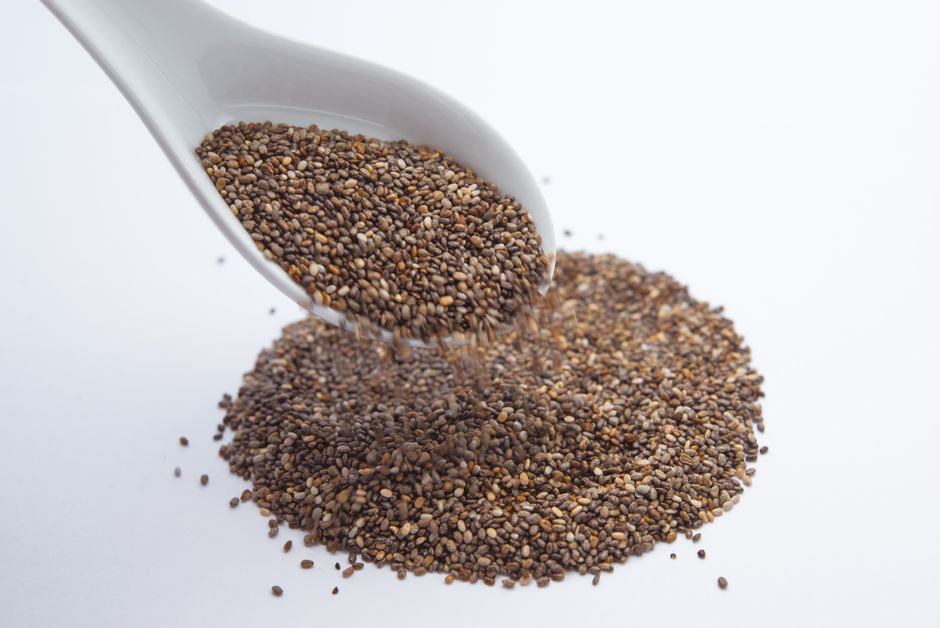
Eating more protein does not automatically mean building more muscle. Your body has a limit on how much protein it can use for muscle building each day, and any extra beyond that limit is either burned for energy or stored as fat. The real drivers of muscle growth are resistance training and total daily calories, with protein playing a supporting role that has its own ceiling.
How Much Protein Can Your Body Actually Use for Muscle?
Research consistently shows that muscle protein synthesis — the process where your body builds new muscle tissue — reaches a maximum response after a single meal. Eating more protein in that meal does not trigger more muscle building.
Studies have found that roughly 20 to 40 grams of high-quality protein per meal maximizes the muscle-building response in most adults. A 150-pound person might see full benefit at the lower end. A 200-pound person might need closer to the higher end. Beyond that amount, the extra protein does not further stimulate muscle growth.
This does not mean the extra protein is wasted entirely. Some of it gets used for other bodily functions like enzyme production and immune support. But the specific muscle-building effect plateaus.
What Happens to Excess Protein in Your Body?
Protein is not stored like carbohydrates are. Your body has a small pool of free amino acids circulating in your blood, but it cannot stockpile large reserves for later muscle building.
When you eat more protein than your body can use, several things happen:
- The liver removes the nitrogen from excess amino acids
- The remaining carbon skeletons are converted to glucose or fatty acids
- Those fatty acids get stored as body fat if you are eating more calories than you burn
This is why high-protein diets can still cause weight gain. If your total calorie intake exceeds what your body burns, the surplus protein contributes to fat storage just like surplus carbohydrates do.
Does More Protein Mean More Muscle Not Always — What Actually Drives Growth?
Muscle growth happens when two conditions are met. First, you must perform resistance exercise that creates mechanical tension in the muscle fibers. Second, you must consume enough total calories and protein to support the repair process.
Resistance training is the trigger. Without it, extra protein does not build muscle. Studies on bed rest and sedentary individuals show that high protein intake alone does not prevent muscle loss or promote muscle gain when no training stimulus is present.
Total calorie intake matters as much as protein intake. If you are in a calorie deficit, your body will prioritize using protein for energy and basic maintenance before allocating it to muscle repair. If you are in a calorie surplus, muscle growth becomes more likely — but so does fat gain if the surplus is too large.
Sleep and recovery also play significant roles. Muscle protein synthesis peaks during the 24 to 48 hours after training, and inadequate sleep blunts this response even when protein intake is adequate.


What Is the Right Daily Protein Target for Muscle Growth?
For healthy adults engaged in regular resistance training, research supports a daily protein intake of roughly 1.6 to 2.2 grams per kilogram of body weight. That translates to about 0.7 to 1 gram per pound of body weight.
A 180-pound person would target approximately 126 to 180 grams of protein per day. This range is well established in sports nutrition literature and appears sufficient for most lifters.
Going significantly above this range has not been shown to produce additional muscle gains in controlled trials. Some studies have examined intakes up to 3 grams per kilogram and found no further increase in muscle mass compared to the 1.6 to 2.2 gram range.
Individual factors can shift the target. Older adults may benefit from slightly higher intakes due to reduced sensitivity to amino acids. People cutting calories may need more protein to preserve muscle mass. Beginners adapting to new training may use protein more efficiently than advanced lifters.
Does Protein Timing Matter as Much as Total Intake?
Total daily protein intake matters more than exactly when you eat it. Research comparing evenly spaced protein meals against skewed distribution has found that total intake is the primary factor for muscle growth.
That said, spreading protein across the day has practical benefits. Eating 20 to 40 grams at each meal keeps blood amino acid levels elevated and stimulates muscle protein synthesis multiple times daily. Eating all your protein in one sitting means only one peak of muscle-building activity.
The post-workout window is real but narrower than many believe. Consuming protein within a few hours after training is sufficient. The old claim about a strict 30-minute anabolic window after exercise has been overstated in popular fitness media.
Are High-Protein Diets Safe for Your Kidneys?
For healthy individuals, high-protein diets do not damage kidneys. The concern about kidney damage comes from studies on people with pre-existing kidney disease, where excess protein can accelerate decline.
Healthy kidneys adapt to higher protein intake by increasing filtration rate. This adaptation is normal and not harmful in people with healthy kidney function.
Anyone with diagnosed kidney disease, diabetes with kidney involvement, or a family history of kidney problems should discuss protein intake with their doctor before significantly increasing it.
What Protein Sources Build Muscle Best?
Complete proteins — those containing all nine essential amino acids — are most effective for muscle building. Animal sources like meat, fish, eggs, and dairy are naturally complete.
Soy is the most notable plant-based complete protein. Other plant proteins like beans, rice, and peas are incomplete on their own, but combining them across the day provides all essential amino acids.
Leucine is the amino acid that most directly triggers muscle protein synthesis. Foods high in leucine include chicken, beef, fish, eggs, and soy. Research suggests that roughly 2 to 3 grams of leucine per meal is enough to maximize the muscle-building signal.
Protein supplements like whey and casein are convenient but not superior to whole foods. If you meet your protein needs through food alone, supplements add no additional muscle-building benefit.
Can You Build Muscle Without Increasing Protein?
Yes, if your current protein intake is already adequate. A person eating 1.6 grams per kilogram daily who increases training volume will not gain more muscle by raising protein to 2.5 grams per kilogram.
Muscle growth responds to progressive overload — gradually increasing the weight, repetitions, or sets in your training. This stimulus is the variable that drives adaptation. Protein intake is permissive, meaning it allows growth to happen rather than causing it directly.
Some research suggests that people new to resistance training can build muscle on protein intakes as low as 1.2 grams per kilogram, especially if they are also eating enough total calories. The higher end of the protein range becomes more relevant for experienced lifters or those in calorie deficits.
What About Protein Needs for People Over 50?
Older adults appear to need more protein to achieve the same muscle-building response as younger people. This condition is called anabolic resistance — the muscle tissue becomes less responsive to amino acids with age.
Research suggests older adults may benefit from 1.2 to 1.5 grams per kilogram daily, with some studies recommending up to 2 grams per kilogram for those actively trying to rebuild lost muscle. Resistance training combined with adequate protein is the most effective strategy for preserving muscle mass in later decades.
This matters because age-related muscle loss, called sarcopenia, begins around age 30 and accelerates after 60. Maintaining strength through training and sufficient protein is one of the most reliable ways to preserve independence in older age.
Frequently Asked Questions
Will eating 200 grams of protein daily build more muscle than 150 grams?
Not necessarily — once you reach roughly 1.6 to 2.2 grams per kilogram of body weight, additional protein does not increase muscle growth. The extra protein is either burned for energy or stored as fat if you are in a calorie surplus.
Can you build muscle without eating extra protein?
Yes, if your current protein intake already meets the 1.6 to 2.2 grams per kilogram range for your body weight. Progressive resistance training is the primary stimulus for muscle growth, not additional protein.
Is it dangerous to eat too much protein?
For healthy people, high protein intake is generally safe, but it can cause digestive discomfort and may contribute to weight gain through excess calories. People with kidney disease should consult their doctor before increasing protein intake.
What is the best way to split protein across meals?
Eating 20 to 40 grams of protein per meal across three to four meals is more effective than eating most of your protein in one sitting. This approach keeps muscle protein synthesis active throughout the day.
