
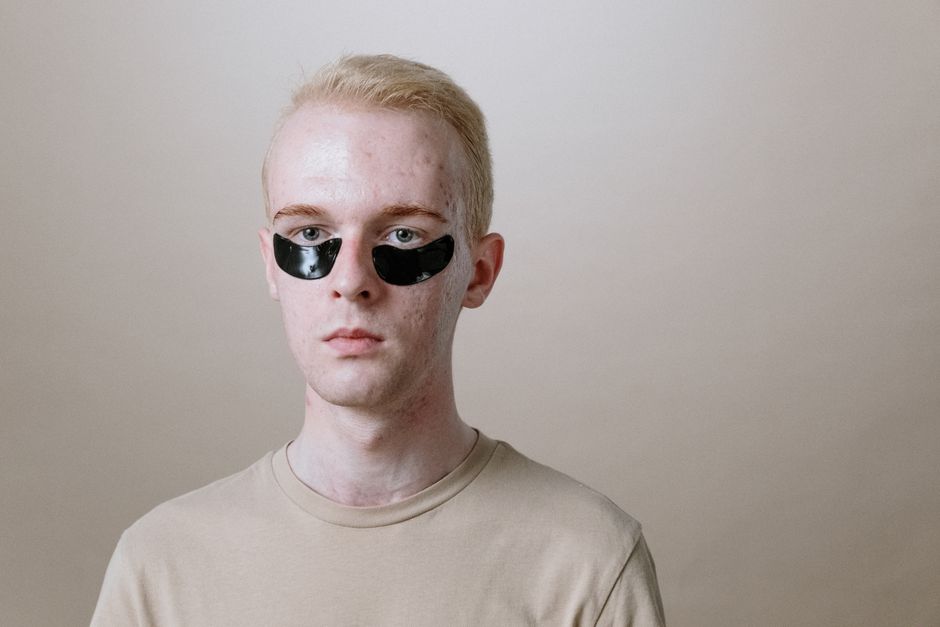
Minocycline is an antibiotic that treats active inflammatory acne, but it does not directly treat or fade acne scars. It works by reducing the bacteria and inflammation that cause pimples, which helps prevent new scars from forming. For scars that already exist, minocycline has no effect, and you would need a different treatment approach.
What Is Minocycline and How Does It Work for Acne?
Minocycline belongs to a class of drugs called tetracycline antibiotics. Doctors have prescribed it for acne for decades. It is an oral medication, meaning you take it by mouth as a pill or capsule.
The drug works in two main ways against acne. First, it kills Cutibacterium acnes, the bacteria that live in your pores and contribute to inflammation. Second, it reduces the overall inflammatory response in your skin. This second effect matters because acne is fundamentally an inflammatory condition, not just a bacterial one.
Minocycline is not a first-choice treatment for mild acne. It is generally reserved for moderate to severe inflammatory acne, especially when topical treatments like benzoyl peroxide or retinoids have not worked well on their own.
Does Minocycline Help Acne Scars Or Just Active Acne?
Minocycline helps active acne only. It does nothing to existing scars. This is an important distinction because many people confuse “preventing scars” with “treating scars.”
When minocycline reduces active breakouts, it indirectly reduces the chance that new scars will form. Every pimple that heals without becoming deeply inflamed is a pimple that did not leave a scar behind. That is a real benefit, but it is not the same as treating the scars you already have.
Scar tissue is made of collagen that has been deposited or destroyed in an abnormal pattern. Antibiotics cannot remodel collagen. They cannot smooth raised scars, fill in depressed scars, or change skin pigmentation left behind by old breakouts. For those issues, you need procedures that physically alter the skin.
What Causes Acne Scars in the First Place?
Acne scars form when inflammation damages the skin’s deeper layers, called the dermis. When the body repairs that damage, it does not always rebuild the skin perfectly. The result is either too much collagen, which creates raised scars, or too little collagen, which creates depressed pits or valleys.
Not everyone who gets acne develops scars. Several factors increase the risk. The most significant is delayed treatment. The longer inflammatory acne goes untreated, the deeper the inflammation can penetrate and the more likely scarring becomes.
Picking and squeezing pimples also dramatically increases scarring risk. When you compress an inflamed lesion, you push bacteria and debris deeper into the dermis, which worsens tissue damage. Genetics also play a role. Some people simply scar more easily than others.
Darker skin tones are more prone to post-inflammatory hyperpigmentation, which are flat dark spots left after acne heals. These are not true scars, but they can look like them. They often fade on their own over months, though treatment can speed that up.





How Long Does Minocycline Take to Work?
Minocycline is not a quick fix. Most people need to take it for at least 6 to 8 weeks before they see meaningful improvement in their acne. Some see earlier changes, but full benefit typically takes a few months.
Treatment courses usually last 3 to 4 months. Some doctors extend therapy beyond that, but long-term antibiotic use is generally avoided when possible. This is because of concerns about bacterial resistance and side effects.
If you have not seen improvement after about 3 months of consistent use, your doctor will likely reconsider the diagnosis or switch to a different treatment. Acne that does not respond to minocycline may respond to other antibiotics or to non-antibiotic options like spironolactone or isotretinoin.
What Are the Side Effects and Risks of Minocycline?
Minocycline has a distinct side effect profile compared to other acne antibiotics. The most common issues are gastrointestinal upset, dizziness, and lightheadedness. Taking the medication with food can reduce stomach irritation.
A less common but well-documented side effect is skin discoloration. Minocycline can cause blue-gray pigmentation in the skin, nails, gums, or even the inside of the cheeks. This is more likely with long-term use or high cumulative doses. The discoloration may fade after stopping the drug, but in some cases it is permanent.
Rare but serious side effects include drug-induced lupus, serum sickness-like reactions, and severe liver problems. These are uncommon, but they are why minocycline is not prescribed casually or without medical supervision.
Minocycline can also reduce the effectiveness of birth control pills, though the evidence on this is mixed. If you take oral contraceptives, discuss backup contraception with your doctor.
What Actually Treats Acne Scars?
If you have acne scars, the treatments that work are procedural, not pharmaceutical. The right option depends on the type of scars you have.
For depressed scars, common treatments include:
- Laser resurfacing — uses focused light to remove damaged skin layers and stimulate new collagen production
- Microneedling — creates tiny controlled injuries in the skin to trigger collagen remodeling
- Chemical peels — use acids to exfoliate the outer skin layers, which can soften shallow scars
- Subcision — a needle technique that breaks up the fibrous bands tethering scars down
- Dermal fillers — injectable substances that lift depressed scars to match surrounding skin
For raised scars, treatments include corticosteroid injections, cryotherapy, and silicone sheets or gels. These flatten and soften the scar tissue over time.
Post-inflammatory hyperpigmentation responds to topical agents like hydroquinone, azelaic acid, or retinoids. Sun protection is also critical because UV exposure darkens these spots further.
No single treatment works for every scar type. Many people need a combination of approaches, and results take time. A dermatologist should evaluate your scars and recommend a plan based on your skin type and scar pattern.
Can You Take Minocycline While Getting Scar Treatments?
Yes, in some cases. If you still have active acne, treating it first or alongside scar treatment makes sense. Performing laser or microneedling on skin with active inflamed pimples can spread bacteria and worsen the condition.
Some dermatologists prefer to control active acne completely before starting scar procedures. Others combine approaches, using antibiotics to suppress breakouts while beginning scar treatments on the clearer areas of skin.
This is a clinical decision that depends on your specific situation. There is no universal rule. Your dermatologist will determine the safest sequence based on how much active acne you have, what types of scars are present, and how your skin has responded to past treatments.
One important note: some procedures require stopping certain antibiotics beforehand. This is not because the antibiotic interferes with the procedure, but because some antibiotics increase sun sensitivity, and many scar treatments involve lasers that can irritate sun-damaged skin.
What Happens After Stopping Minocycline?
Acne often returns after stopping minocycline. The drug suppresses the condition but does not cure it. Without maintenance therapy, the underlying factors — hormone activity, sebum production, and pore blockage — remain.
For this reason, dermatologists typically pair minocycline with a topical maintenance treatment. Topical retinoids like tretinoin or adapalene are common choices. These keep pores clear and reduce inflammation over the long term.
If you were only on minocycline without a topical plan, ask your doctor about a maintenance strategy before you stop. Going on and off antibiotics repeatedly is not a good long-term approach because it increases the risk of bacterial resistance.
Frequently Asked Questions
Can minocycline fade old acne scars?
No. Minocycline cannot remodel scar tissue or fade existing scars. It only treats active inflammatory acne and prevents future scarring by reducing breakouts.
How long should I take minocycline for acne?
Typical courses last 3 to 4 months, with noticeable improvement usually appearing after 6 to 8 weeks. If no improvement occurs within about 3 months, your doctor will likely recommend a different treatment.
Is minocycline better than other antibiotics for acne?
Minocycline is effective, but it is not clearly superior to other tetracyclines like doxycycline. It carries a higher risk of rare side effects like skin discoloration, so some doctors prefer doxycycline as a first choice.
What is the best treatment for acne scars?
There is no single best treatment. Depressed scars often respond to laser resurfacing, microneedling, or subcision, while raised scars respond to steroid injections or silicone sheets. A dermatologist must evaluate your scar type to recommend the right approach.
