
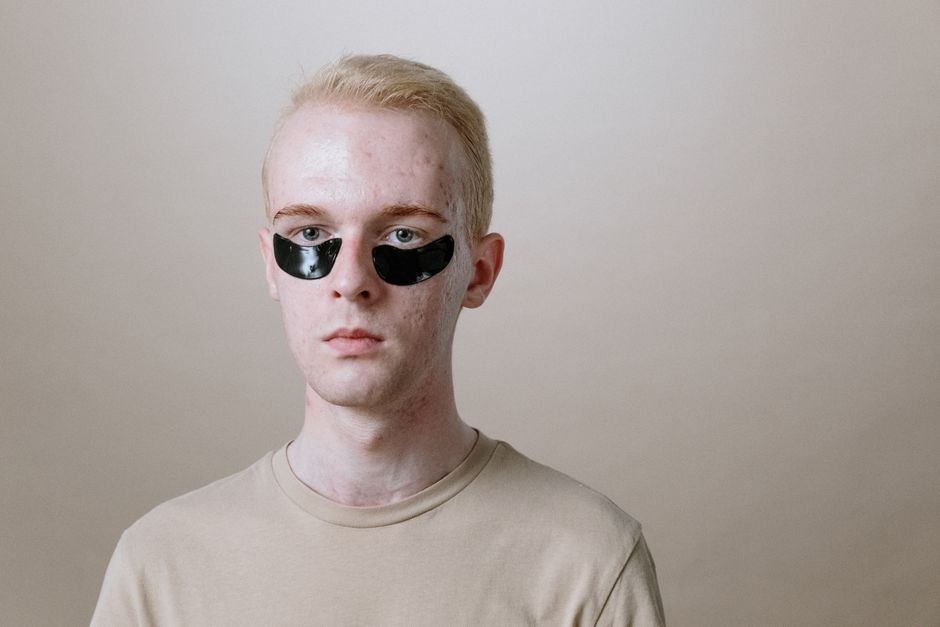
Acne scars are permanent in the sense that the skin’s collagen structure has been physically altered — but “permanent” does not mean “untreatable.” Many scars can be made significantly less visible with dermatologic treatment, and some shallow marks fade on their own over months. The key is knowing which type you have, because true scars and temporary dark spots are completely different problems with different outcomes.
Acne is one of the most common skin conditions worldwide. Most people who get acne will not develop true scarring, but those who do often carry it for decades. Understanding why scars form — and what actually happens to skin after a breakout heals — makes it much easier to set realistic expectations.
What Is the Difference Between an Acne Scar and a Dark Spot?
A true acne scar is a change in the skin’s texture or surface. A dark spot is a change in the skin’s color. They look different, behave differently, and respond to different treatments.
Dark spots left behind after a pimple are called post-inflammatory hyperpigmentation. The skin produces extra melanin in response to inflammation, leaving a flat brown or reddish mark. These marks are not scars. They sit flush with the skin’s surface and typically fade over time as the skin turns over its cells. In people with lighter skin, they often appear pink or red. In people with darker skin, they tend to look brown or black.
True scars involve the deeper layer of skin called the dermis. When inflammation from a deep pimple damages collagen and elastin — the proteins that give skin its structure — the skin heals by forming scar tissue instead of normal skin. That scar tissue looks and feels different from the surrounding skin. It may be indented, raised, or tethered to deeper tissue.
This distinction matters because it changes everything about what to expect. Hyperpigmentation resolves. Scar tissue does not resolve on its own.
Why Does Acne Leave Scars on Some People and Not Others?
Scarring happens when inflammation is deep enough and lasts long enough to damage the dermis. Surface-level pimples rarely scar. Deep, inflamed lesions — nodules and cysts — are far more likely to.
Several factors raise the risk of scarring:
- Severity and depth of acne. Nodulocystic acne that involves the deep dermis is the type most likely to scar.
- Delay in treatment. The longer active inflammation continues, the more opportunity there is for collagen damage.
- Picking and squeezing. Manipulating a pimple pushes inflammation deeper and increases tissue injury.
- Genetics. Some people form scar tissue more readily than others. A family history of acne scarring is a meaningful risk factor.
- Skin tone. People with darker skin tones are more prone to both hyperpigmentation and certain types of raised scars.
One point that often gets overlooked: the total number of pimples matters less than how deep and how inflamed they are. A handful of deep cysts can leave more scarring than dozens of small whiteheads.
What Are the Different Types of Acne Scars?
Dermatologists classify acne scars by how they change the skin’s surface. The main categories are atrophic (indented) and hypertrophic or keloid (raised).
Atrophic scars are the most common. They form when the skin does not produce enough collagen during healing, leaving a depression. They come in several shapes:
- Ice pick scars. Narrow, deep, and pinhole-like. They extend into the dermis.
- Boxcar scars. Wider with sharp, defined edges. They look like shallow craters.
- Rolling scars. Broad depressions with sloping edges that give the skin a wavy appearance.
Hypertrophic scars are raised and stay within the boundary of the original wound. Keloid scars are also raised but extend beyond the original injury site. Both result from too much collagen during healing. They are more common on the chest, back, shoulders, and jawline — and more common in people with darker skin tones.
Many people have a mix of scar types. That is one reason treatment often involves more than one approach.





Do Acne Scars Stay Forever Without Treatment?
Yes. True atrophic and raised scars do not resolve on their own. Once scar tissue has formed, the skin does not remodel it back into normal skin.
This is a hard truth, and it is worth stating plainly because a lot of products imply otherwise. No cream, serum, or home remedy removes scar tissue. The structural change is in the dermis, and topical products generally cannot rebuild that layer.
What can happen without treatment is a gradual change in appearance. Scars may become slightly less noticeable over years as skin loses elasticity and the surrounding texture changes. But the scar itself remains.
The encouraging part: hyperpigmentation is a different story. Dark marks from acne often fade substantially within several months to a couple of years, though this varies widely by person and skin tone. If a mark is flat and only differs in color, it is likely to improve. If it changes the texture or contour of the skin, it is a scar.
Can Acne Scars Be Treated?
Yes. Many acne scars can be improved with dermatologic procedures, though results vary by scar type, skin tone, and how the skin heals. No treatment reliably erases scars completely. The realistic goal is meaningful improvement in appearance, not perfect skin.
Treatment approaches generally fall into a few categories:
- Resurfacing procedures. Lasers and other energy-based devices remove or remodel the top layers of skin to stimulate new collagen. Different devices suit different scar types and skin tones.
- Microneedling. Fine needles create controlled micro-injuries to prompt collagen production. Evidence supports benefit for some atrophic scars, though results are modest and multiple sessions are usually needed.
- Chemical peels. These can improve shallow scars and pigmentation, especially when used in a series.
- Subcision. A procedure that releases tethered scars from deeper tissue, often used for rolling scars.
- Fillers. Injectable fillers can temporarily lift depressed scars. Results are not permanent and require repeat treatment.
- Surgical revision. For some individual scars, direct excision may be an option.
Because results depend on the specific mix of scars, a dermatologist’s assessment matters more than any single product or procedure. What works for one scar type may do little for another.
One clarification worth making: treatment is generally more effective on scars that have matured. Fresh scars are still remodeling, and many clinicians prefer to wait until the skin has settled before performing certain procedures. This is common clinical practice rather than a firmly established rule, and timing decisions are best made with a dermatologist.
Can You Prevent Acne Scars From Forming?
The most effective way to prevent scarring is to treat active acne early and avoid anything that deepens inflammation. This is one of the few areas where the evidence and common sense point the same direction.
What helps:
- Treat acne promptly. Getting moderate to severe acne under control reduces the duration and depth of inflammation.
- Do not pick or squeeze. This is the single most controllable behavior that worsens scarring.
- Use sunscreen. Sun exposure can darken post-inflammatory marks and slow healing.
- Follow a consistent skin care routine. Gentle cleansing and non-comedogenic products reduce irritation that can trigger more breakouts.
What does not help: waiting for severe acne to “run its course” before seeking treatment. For deep, inflamed acne, that delay often means more permanent damage. If acne is painful, deep, or leaving marks, that is a reasonable point to see a dermatologist.
Do Over-the-Counter Products Remove Acne Scars?
No over-the-counter product removes true acne scars. This is where marketing and evidence diverge sharply.
Many creams and serums claim to “repair” or “resurface” skin. Some contain ingredients that can help with pigmentation or support the skin’s surface. But none have been shown to rebuild dermal collagen or eliminate scar tissue. The structural change is simply beyond what a topical product can reach.
That said, some ingredients have legitimate roles in a broader routine. Retinoids can improve skin texture and help with post-inflammatory pigmentation over time. Ingredients like vitamin C and niacinamide are often used for uneven tone. These may make skin look better overall, but they are not scar removal treatments.
If a product promises to erase scars, that claim is not supported by clinical evidence. The honest position is that topicals can help with color and texture at the surface, while deeper scars require procedures that reach the dermis.
What Should You Expect From Treatment?
Improvement, not erasure. Most people who pursue treatment see a meaningful reduction in how noticeable their scars are, but few see them disappear entirely.
Results depend on several things: the type and depth of the scars, your skin tone, how your skin heals, and how consistently you follow a treatment plan. Many procedures require multiple sessions spaced weeks or months apart, and full results often take months to appear as new collagen forms.
Cost and downtime also vary widely. Some treatments involve little recovery time, while others leave skin red or sensitive for days. A dermatologist can explain what is realistic for your specific situation.
The most useful mindset is patience combined with accurate expectations. Acne scars are a long-term issue, and treatment is usually a process rather than a single fix. That is not a reason for discouragement — it is a reason to get good information and a proper assessment before spending money on anything.
Frequently Asked Questions
Do acne scars ever go away completely?
True acne scars do not go away on their own because the skin’s collagen structure has been permanently changed. Treatment can make them much less visible, but complete disappearance is uncommon.
How can I tell if I have a scar or just a dark mark?
Run your finger over the area. If the skin feels flat and only the color is different, it is likely post-inflammatory hyperpigmentation, which usually fades. If the texture or contour is changed, it is a scar.
What is the best treatment for acne scars?
There is no single best treatment, because results depend on scar type, skin tone, and how your skin heals. A dermatologist can match procedures such as lasers, microneedling, or subcision to your specific scars.
Can I prevent acne scars from forming?
Treating active acne early and not picking or squeezing pimples are the most effective steps. Deep, inflamed acne is the type most likely to scar, so prompt treatment matters.
