
Measles does not simply weaken your immune system for a few weeks. In some cases, it can erase a significant portion of your immune memory, a condition called immune amnesia. This means the protection you built against other illnesses—like the flu, pneumonia, or even childhood diseases you had years ago—can be temporarily wiped out. The virus targets immune cells that remember past infections, leaving you more vulnerable to other dangerous pathogens for months, or even years, after the initial rash fades.
What Does “Immune Amnesia” Actually Mean?
Your immune system is like a library of past infections. When you get sick, your body creates specialized memory cells (B-cells and T-cells) that remember that specific virus or bacteria. If you encounter that germ again, your immune system recognizes it and fights it off quickly. This is the foundation of immunity, whether from an infection or a vaccine.
Measles disrupts this library. The measles virus primarily infects and destroys these memory cells. It does not just make you tired or sick for a week; it actively targets the very cells that protect you from other diseases you have already conquered. The result is that your body forgets how to fight off those previous infections.
This is not a permanent condition for most people. Your immune system can rebuild its memory over time, often with the help of re-exposure to those germs. However, the gap in protection leaves a window where you are highly susceptible to other infections. This is why measles is far more dangerous than a simple rash.
How Does the Measles Virus Destroy Immune Memory?
The mechanism is well documented in immunology. The measles virus attaches to a specific receptor on immune cells called CD150, which is found on memory T-cells, B-cells, and other immune cells. When the virus infects these cells, it kills them or causes them to malfunction.
Research published in the journal Science confirmed this by analyzing blood samples from unvaccinated children before and after a measles infection. The study found that the virus wiped out between 11% and 73% of the children’s antibody repertoire—their total collection of antibodies against various diseases. This means a child who had robust immunity to, say, chickenpox or strep throat lost a significant portion of that protection.
This is not a theoretical risk. It is a measurable biological event. The severity of the immune amnesia varies from person to person, but the effect is real and significant. The loss is most pronounced in the months immediately following the infection.
How Long Does the Immune System Stay Suppressed?
The immune system does not recover overnight. The period of heightened vulnerability lasts longer than the visible symptoms of measles. While the rash and fever resolve in about one to two weeks, the immune suppression can persist for weeks to months.
Some studies suggest the effects can last for up to two to three years. During this time, a person who had measles is at a higher risk of contracting other serious infections, such as bacterial pneumonia, bronchitis, or ear infections. These secondary infections are often the actual cause of death in severe measles cases, not the measles virus itself.
The duration depends on several factors, including the person’s age, nutritional status, and overall health. Children under five and adults over twenty are at the highest risk for complications. The immune system eventually regenerates its memory cells, but it requires time and re-exposure to other pathogens to rebuild that defense network.





Does the Measles Vaccine Cause Immune Amnesia?
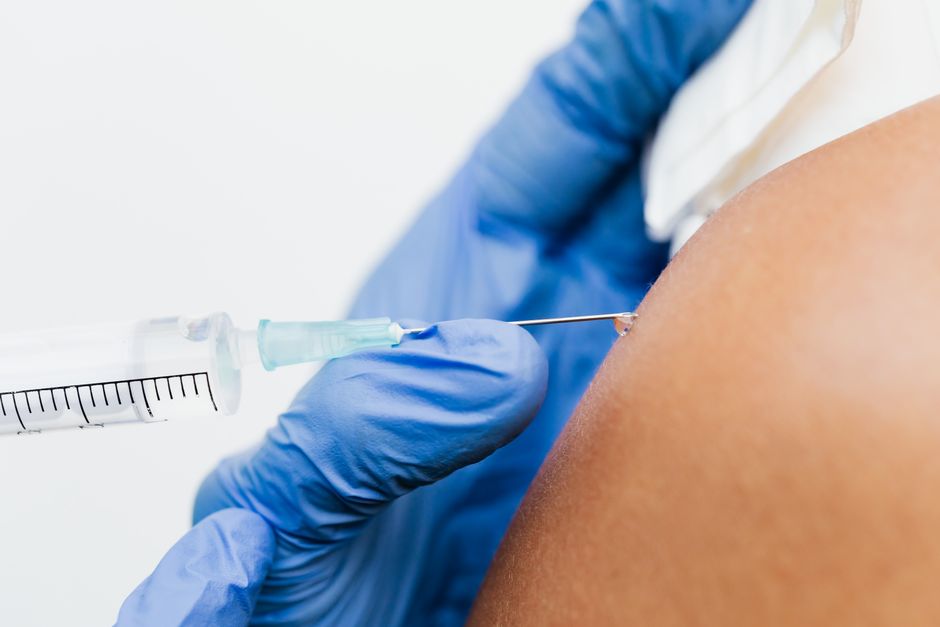
No. The measles vaccine does not cause immune amnesia. This is a critical distinction. The vaccine contains a live but weakened (attenuated) measles virus. It triggers an immune response without causing the full-blown infection or the widespread destruction of memory cells.
The vaccine teaches your body to recognize measles without the virus replicating to the levels seen in a natural infection. Because the viral load is much lower and the infection is contained, the vaccine does not wipe out your antibody library. In fact, it adds to it by creating measles-specific immunity.
This is one of the strongest arguments for vaccination. You get the protective benefit of measles immunity without the dangerous side effect of immune amnesia. The vaccine is safe and effective at preventing both measles and the secondary infections that follow it.
Why Are Secondary Infections So Dangerous?
The immediate symptoms of measles—fever, cough, runny nose, and rash—are uncomfortable but rarely life-threatening on their own. The real danger lies in what the virus enables afterward. With your immune memory compromised, other pathogens that you would normally fight off easily can take hold.
Common secondary infections include:
- Pneumonia: A leading cause of measles-related death, especially in young children.
- Bronchitis or bronchiolitis: Inflammation of the airways that can cause severe breathing difficulties.
- Ear infections: Can lead to permanent hearing loss in some cases.
- Diarrhea: Can cause severe dehydration, particularly in infants.
- Encephalitis: Swelling of the brain, which can cause brain damage or death. This is rarer but more serious.
These complications are why measles is not a “harmless childhood illness.” The virus creates a window of vulnerability that can lead to severe, long-term health consequences or death. The immune amnesia effect is the bridge between a simple viral infection and a cascade of secondary diseases.
Can the Immune System Fully Recover?
Yes, for most healthy individuals, the immune system can eventually recover. The process involves generating new naive immune cells from the bone marrow and rebuilding the memory pool. This happens gradually as you are re-exposed to everyday germs and vaccines.
However, recovery is not guaranteed to be complete. The research from Science showed that while antibody levels do rebound, they do not always return to the exact pre-measles baseline. Some children retained a reduced diversity of antibodies, meaning their long-term immunity was slightly diminished even after recovery.
This is particularly concerning in communities with low vaccination rates. If measles circulates, it not only sickens those infected but also degrades the herd immunity of the entire population. A person who had measles years ago may have less protection against other diseases, making them more susceptible to outbreaks of other preventable illnesses.
What Are the Long-Term Risks of Measles?
Beyond immune amnesia, measles carries other long-term risks. One of the most serious is subacute sclerosing panencephalitis (SSPE), a rare but fatal degenerative brain disease. SSPE can develop seven to ten years after a measles infection, even in people who fully recovered from the initial illness. There is no cure for SSPE.
The risk of SSPE is highest in children who get measles before age two. While the condition is rare, it is a devastating outcome that cannot be predicted or prevented after the initial infection. This is another reason why measles prevention through vaccination is so critical.
The long-term immune suppression also has broader health implications. A person who recovers from measles may be at a higher risk for other infections for years. This can lead to more doctor visits, more antibiotic use, and a general decline in health that is not immediately linked to the measles infection itself.
Does Measles Reset Your Immune System? The Bottom Line
Measles does reset your immune system, but not in a way that is beneficial. It erases immune memory, leaving you vulnerable to other infections. This is a well-established scientific fact, not a theory or a hypothesis.
The protection offered by the measles vaccine is the safest way to build immunity without the risk of immune amnesia. The vaccine prevents the infection, prevents the immune destruction, and prevents the secondary infections that cause most measles-related deaths.
If you or your child are unvaccinated, the evidence is clear: measles is a serious threat not just because of the virus itself, but because of the immune damage it leaves behind. The risk of complications, including immune amnesia and SSPE, far outweighs any perceived benefit of natural infection.
Frequently Asked Questions
Can measles permanently damage your immune system?
For most healthy people, the immune system eventually rebuilds its memory and recovers. However, the recovery may not be complete, and some antibody diversity can be lost permanently.
How long does measles suppress the immune system?
The immune suppression can last for weeks to months, with some research suggesting the effects can persist for up to two to three years. The most significant vulnerability occurs in the months immediately following the infection.
Does the MMR vaccine cause immune amnesia?
No. The MMR vaccine uses a weakened virus that does not destroy memory cells or cause immune amnesia. It safely builds immunity against measles without the risk of erasing your existing protection.
Why is measles more dangerous than other childhood illnesses?
Measles is uniquely dangerous because it directly attacks immune memory cells, leaving you vulnerable to other serious infections. This complication, called immune amnesia, is not seen with most other common childhood viruses.
