
If semen gets into a cut, the short answer is that it is not a medical emergency and there is no documented case of someone becoming seriously ill from it. Semen is a body fluid, not a poison. The realistic concerns are minor: brief stinging, local irritation, and — in rare situations involving broken skin and an infected partner — a possible route for certain sexually transmitted infections. Everything else you may have read online is mostly myth.
This question comes up more often than people admit. It might happen during sex, during manual contact, or by accident. The worry is usually about infection, pregnancy, or something vague and scary. Here is what the evidence actually supports, and what it does not.
What Is Semen Actually Made Of?
Semen is a mixture of fluid from the seminal vesicles, prostate gland, and bulbourethral glands, plus sperm cells. The fluid part makes up the vast majority of the volume. Sperm itself is a small fraction.
The fluid contains water, fructose (a sugar that feeds sperm), proteins, enzymes, zinc, citric acid, and small amounts of other compounds. Its pH is slightly alkaline, usually around 7.2 to 8.0. That alkalinity helps sperm survive the acidic environment of the vagina.
None of these ingredients are toxic to skin or blood. Your body does not treat semen as a foreign threat the way it treats some bacteria or viruses. This is why a cut exposed to semen does not trigger a systemic reaction in most people.
What Happens If Sperm Gets Into a Cut?
Not much, in most cases. You may feel a brief sting or burning sensation. That sensation comes from the slight alkalinity of semen meeting the sensitive tissue of an open wound, not from any toxic effect.
The cut may look a little red or irritated for a short time. Some people notice mild swelling at the edges. This is a local inflammatory response — the same kind of response you would get from soap, sweat, or saliva getting into a minor wound.
Washing the area with plain water is enough. Soap is fine too if the skin around the cut can tolerate it. There is no need to scrub, and no need to use antiseptics on a small cut unless a healthcare provider has told you to.
If the cut is deep, actively bleeding, or needs stitches, that is a wound-care issue — not a semen issue. Get the wound treated on its own merits.
Can You Get an STI From Semen in a Cut?
This is the one concern with real medical weight behind it. Some sexually transmitted infections can be transmitted through semen that contacts broken skin or mucous membranes. The risk depends on whether the person producing the semen has an active infection.
HIV is the infection most people worry about. The risk from semen contacting a small cut on intact skin is considered extremely low. HIV does not survive well outside the body, and intact skin is an effective barrier. However, mucous membranes — the inside of the mouth, vagina, rectum, or the eye — are different. Those tissues are more permeable, and the risk of transmission through them is higher.
Other infections that can be present in semen include gonorrhea, chlamydia, trichomoniasis, syphilis, hepatitis B, and herpes. Some of these can enter through small breaks in the skin or mucous membranes. This is why barrier methods like condoms reduce transmission risk — not because semen is dangerous on its own, but because it can carry pathogens if the person has one.
If you are concerned about a specific exposure, the right step is to talk to a healthcare provider about testing. Many STIs are treatable, and some are curable. Testing timelines vary by infection — some show up on tests quickly, others take weeks. A provider can tell you what applies to your situation.




Can You Get Pregnant From Semen in a Cut?
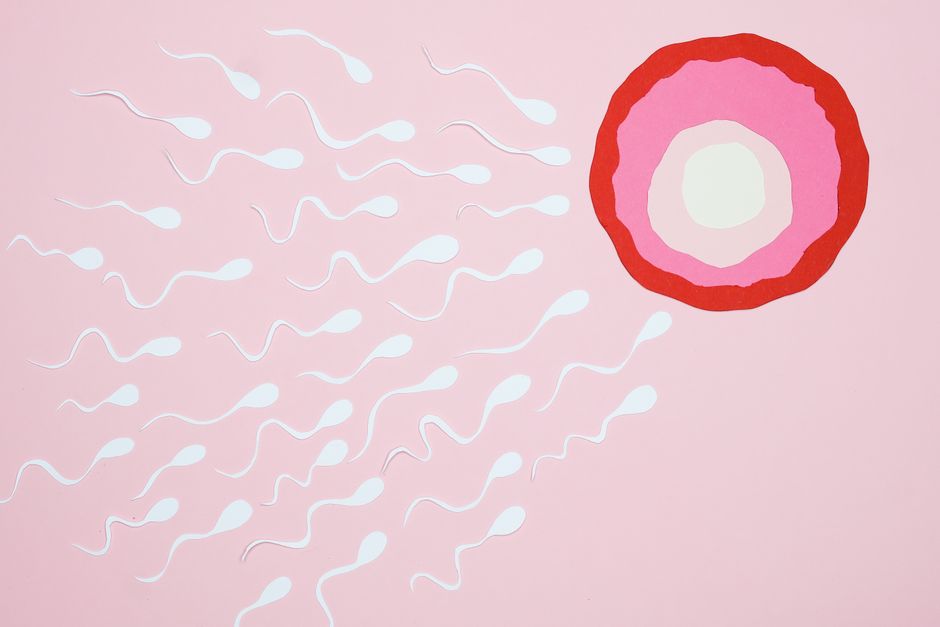
No. Pregnancy requires sperm to reach an egg through the female reproductive tract. Sperm entering a cut on the skin has no path to the uterus or fallopian tubes.
Pregnancy can only happen when semen is deposited in or near the vagina, or when fresh semen is introduced directly into the reproductive tract through other means. A cut on a finger, arm, or leg is not a route to pregnancy.
This is one of the more persistent myths online, and it causes real anxiety. The biology simply does not work that way.
Does Semen in a Cut Cause an Allergic Reaction?
Some people are allergic to semen. This is a real, documented condition called seminal plasma hypersensitivity. It is not common, and it is more often reported in women after vaginal exposure than in anyone after a skin cut. Symptoms can include burning, swelling, itching, or hives where semen contacts skin or mucous membranes.
If you have a known semen allergy and semen gets into a cut, the reaction could be more noticeable than in someone without the allergy. Local swelling, itching, or a rash that spreads beyond the cut would be worth mentioning to a doctor.
Severe allergic reactions to semen — the kind involving breathing difficulty or widespread hives — are rare. If that happens, treat it as a medical emergency and seek care immediately.
What About the “Semen Is Full of Germs” Idea?
Semen is not sterile, but neither is your skin, your mouth, or the air around you. The bacteria normally present in semen are mostly the same bacteria found on skin and in the genital area. They do not typically cause infection when they contact a minor cut.
The exception is when the person producing the semen has an active bacterial infection. In that case, the bacteria in the semen could theoretically seed a wound. This is uncommon, and it is not the same as saying semen is inherently dangerous.
If a cut becomes increasingly red, swollen, warm, or painful over the following days, or if you see pus, that is a sign of possible wound infection. It should be evaluated by a healthcare provider. That advice applies to any cut, regardless of what got into it.
What Should You Do After Semen Gets Into a Cut?
Rinse the area with clean water. Pat it dry. Cover it with a bandage if it is still open. That is the whole protocol for most situations.
Watch the cut over the next few days for signs of infection:
- Increasing redness or warmth around the wound
- Swelling that gets worse instead of better
- Pain that increases after the first day
- Pus or cloudy discharge
- Red streaks spreading from the cut
- Fever or chills
If any of these appear, see a healthcare provider. Again, this is standard wound care advice — it is not specific to semen exposure.
If you are worried about STI transmission because of the specific circumstances, talk to a provider about testing. Do not rely on internet searches to rule out an infection. Only testing can do that.
When Should You See a Doctor?
See a provider if the cut is deep, will not stop bleeding, or looks infected. See one if you have symptoms of an STI — unusual discharge, sores, burning with urination, or flu-like symptoms after a possible exposure.
See one if you have a known semen allergy and the reaction is more than mild. And see one if anxiety about the exposure is interfering with your daily life. That last point matters. Many people who search this question are dealing with worry, not a physical problem, and a short conversation with a clinician can resolve it faster than any amount of reading.
The honest summary: semen in a cut is not dangerous in itself. The only real medical concern is the small possibility of STI transmission if the person producing the semen has an infection. Pregnancy is not possible from this route. Most people need no treatment beyond basic wound care.
Frequently Asked Questions
Can sperm in a cut make you sick?
No. Semen is not toxic, and there is no documented illness caused by semen contacting a minor cut in a person without a semen allergy. The only real concern is the small possibility of STI transmission if the person producing the semen has an active infection.
Can you get pregnant if sperm gets into a cut?
No. Pregnancy requires sperm to reach an egg through the female reproductive tract, and a cut on the skin provides no path to the uterus or fallopian tubes. This route cannot result in pregnancy.
Can you get HIV from semen in a cut?
The risk from semen contacting a small cut on intact skin is considered extremely low, because HIV does not survive well outside the body and intact skin is an effective barrier. Mucous membranes — like the mouth, vagina, rectum, or eye — carry a higher risk and warrant testing if exposure occurred.
What should I do if semen gets into a cut?
Rinse the area with clean water, pat it dry, and cover it if it is still open. Watch for signs of wound infection over the next few days, and talk to a healthcare provider about STI testing if you are concerned about the specific circumstances.
