
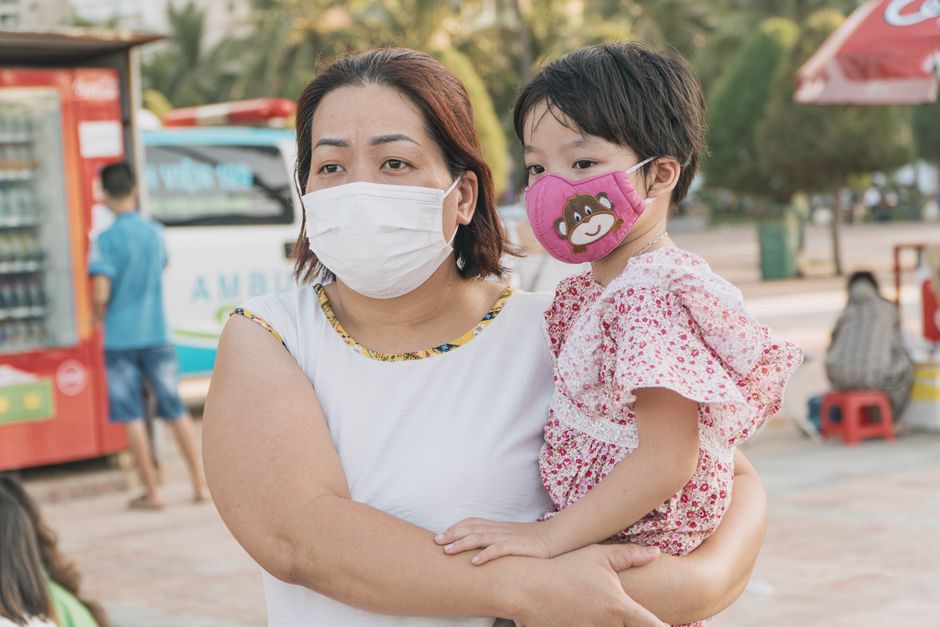
No. Wearing a mask does not weaken your immune system. This claim spread widely during the COVID-19 pandemic, but it does not hold up against what we know about how immunity actually works. Your immune system does not function like a muscle that shrinks from disuse. It responds to specific pathogens it encounters, and a mask simply reduces how many of those pathogens reach your airways in the first place.
The confusion likely comes from mixing up two different ideas. Masks reduce exposure to germs, and reduced exposure to a specific germ can mean less immunity to that germ. But that is not the same as a weakened immune system. Those are separate concepts, and the distinction matters.
How Does the Immune System Actually Work?
Your immune system has two main branches. The innate immune system is your first line of defense. It responds to anything foreign within minutes or hours. It does not learn or remember specific threats. The adaptive immune system is slower but smarter. It builds targeted responses to specific pathogens and creates memory cells that can recognize those pathogens later.
The adaptive immune system develops through exposure. When your body encounters a virus or bacteria, it creates antibodies and specialized T cells designed to fight that specific invader. This is how you build immunity after an infection or a vaccine.
Here is the key point. Your immune system does not get weaker just because it encounters fewer germs. It stays fully functional. It simply has less to react to at any given moment. The capacity to mount a defense does not disappear when that defense is not needed.
Think of it this way. A fire department does not become worse at fighting fires during a quiet month. The firefighters still train. The trucks still run. The equipment still works. Fewer fires do not make the department weaker.
Does Reduced Germ Exposure Weaken Immunity?
Reduced exposure to a specific pathogen means you are less likely to develop immunity to that specific pathogen. That is true. If you never encounter a particular virus, your body will not build defenses against it. But this is not the same as a weakened immune system.
The hygiene hypothesis is often cited in these discussions. It suggests that children raised in overly clean environments may have higher rates of allergies and autoimmune conditions because their immune systems do not get enough practice distinguishing harmless substances from dangerous ones. This is an area of ongoing research, and the evidence is mixed. Some studies support parts of it. Others do not.
Even if the hygiene hypothesis holds true in some form, it applies mainly to early childhood immune development and to the diversity of microbes in the environment. It does not apply to wearing a mask during a pandemic or flu season. A mask does not sterilize your environment. It does not prevent all microbial exposure. It reduces transmission of respiratory droplets that carry specific viruses.
You still encounter countless bacteria and other microorganisms every day. Your skin, your gut, and your airways are constantly exposed to microbes. A mask on your face does not change that.
What Does the Evidence Say About Masks and Immunity?
No clinical evidence confirms that wearing a mask weakens immune function. There are no studies showing that mask wearers get sick more often or have impaired immune responses compared to non-wearers.
What studies do show is that masks reduce the transmission of respiratory viruses when worn correctly and consistently. Research published in The Lancet and other peer-reviewed journals has found that masks, particularly N95 and surgical masks, reduce the spread of respiratory infections in healthcare settings and community settings.
The mechanism is straightforward. Respiratory viruses spread mainly through droplets and aerosols that leave an infected person’s mouth and nose when they talk, cough, or breathe. A mask acts as a physical barrier. It catches some of those particles before they reach another person. Fewer particles inhaled means a lower chance of infection.
Lower infection rates are not a sign of a weakened immune system. They are a sign that the barrier worked.





Can You Build Immunity Without Getting Sick?
Yes. Vaccines are the clearest example. They train your immune system to recognize a pathogen without you having to get sick from it. Your immune system still does the work of building antibodies and memory cells. It just gets a head start from a weakened or inactivated form of the pathogen, or from genetic instructions that teach your cells to make a harmless piece of it.
You also build immunity through everyday exposure to harmless microbes and through mild infections that your body handles without you even noticing. A mask does not stop all of this. It reduces exposure to specific respiratory viruses, not to the entire microbial world.
Some people worry that if they never get colds or flu, their immune system will forget how to fight them. That is not how immune memory works. Once your body builds memory cells for a specific virus, those cells stick around. They do not disappear because you did not get reinfected that season.
What About Children and Mask Wearing?
Children’s immune systems are still developing, and they do need exposure to a range of microbes to build a broad and balanced immune response. But there is no evidence that wearing a mask during a pandemic or flu season causes long-term harm to a child’s immune development.
The concern about masks and children is understandable. Parents want to know if they are doing harm. The evidence does not show that. What it does show is that children who wear masks in high-transmission settings are less likely to get sick from respiratory viruses. That is a benefit, not a risk.
Some clinicians have raised questions about the social and developmental effects of prolonged mask use in young children, particularly for speech and language development. Those concerns are about social interaction, not immune function. And the evidence on developmental effects is still limited. No large trials have confirmed lasting developmental harm from mask wearing in children.
Does the Type of Mask Matter for Immunity?
The type of mask matters for how well it blocks particles. It does not matter for whether your immune system gets weaker. No mask type has been shown to weaken immunity.
N95 and KN95 respirators filter out a higher percentage of small particles than cloth masks. Surgical masks fall somewhere in between. Cloth masks vary widely depending on the fabric and fit. A mask that fits well and covers your nose and mouth will reduce transmission more effectively than one that gaps at the sides.
But none of these differences change the basic answer. A mask reduces exposure to respiratory viruses. It does not reduce your immune system’s ability to function.
Why Does This Myth Keep Spreading?
The myth persists because it sounds logical on the surface. If you avoid germs, you do not build immunity to them. That part is true for specific pathogens. The mistake is jumping from that to the conclusion that your whole immune system gets weaker.
That leap does not follow. Your immune system is not a single switch that turns on or off based on how many germs you encounter. It is a complex network of cells, tissues, and organs that constantly monitors your body for threats. It does not shut down when threats are fewer.
Another reason the myth spreads is that people look for simple explanations for complex health outcomes. If someone gets sick after wearing a mask for months, it is tempting to blame the mask. But getting sick after wearing a mask does not mean the mask caused the illness. It means the mask did not block every particle, or the person was exposed somewhere else.
Masks are not perfect. They reduce risk. They do not eliminate it. And they do not harm your immune system in the process.
Frequently Asked Questions
Does wearing a mask weaken your immune system over time?
No. Wearing a mask does not weaken your immune system. It reduces your exposure to specific respiratory viruses but does not impair your body’s ability to fight infections.
Can you get sick more often if you wear a mask?
No evidence shows that mask wearers get sick more often. Masks reduce transmission of respiratory viruses when worn correctly, which means fewer infections, not more.
Do masks prevent you from building natural immunity?
Masks may reduce your exposure to a specific virus, which could mean you do not build immunity to that virus through infection. But this is not the same as a weakened immune system, and vaccines provide immunity without infection.
Are children’s immune systems harmed by wearing masks?
No evidence shows that masks harm children’s immune development. Children still encounter countless microbes daily, and masks only reduce exposure to specific respiratory viruses.
