
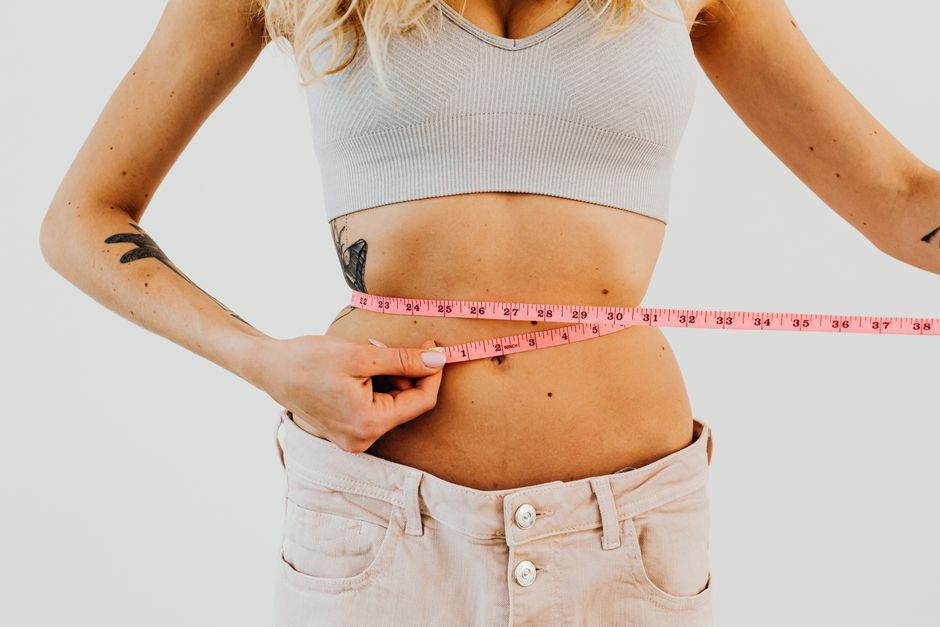
Loose skin after weight loss is one of the most common and frustrating concerns for people who have lost a significant amount of weight. The short answer is that it can improve over time, but it rarely goes away completely on its own. The degree of recovery depends heavily on your age, the amount of weight lost, how fast you lost it, and how long you carried the excess weight. Understanding why the skin behaves this way is the first step toward setting realistic expectations and making informed decisions.
Why Does Loose Skin Happen After Weight Loss?
Your skin is the largest organ in your body, and it is remarkably elastic. When you gain weight, your skin stretches to accommodate the increased volume beneath it. Collagen and elastin fibers in the skin stretch out over months or years to cover the larger surface area. When you lose weight, the fat underneath the skin shrinks, but the skin itself does not always snap back to its original shape.
The skin’s ability to shrink back depends on those collagen and elastin fibers. When skin is stretched slowly over a long period, those fibers can become damaged or permanently stretched out. Think of it like a rubber band that has been pulled taut for a long time. When you release the tension, it may not return to its original size. The skin behaves the same way, especially when the weight gain was significant or lasted for many years.
Age matters here. Younger skin produces more collagen and elastin, which is why teenagers and people in their twenties typically see their skin rebound faster. As you age, natural collagen production slows down. A person who loses 100 pounds at age 30 will generally see better skin retraction than someone who loses the same amount at age 55.
How Much Weight Loss Causes Loose Skin?
There is no strict threshold where loose skin suddenly appears, but the risk increases with the total amount of weight lost. People who lose 50 pounds or less often notice minimal loose skin, especially if the weight loss was gradual. Those who lose 100 pounds or more almost always deal with some degree of excess skin, regardless of their age or how they lost the weight.
The speed of weight loss also plays a role. Rapid weight loss, such as through bariatric surgery or very low-calorie diets, does not give the skin time to adapt gradually. The skin is essentially stretched out and then suddenly deflated. Slower weight loss of one to two pounds per week gives the skin more time to shrink alongside the fat loss, though it does not guarantee the skin will keep up.
Genetics also influence how your skin responds. Some people naturally have more elastic skin, while others are predisposed to looser skin after weight changes. You cannot change your genetics, but knowing this helps explain why two people who lose the same amount of weight can have very different outcomes.
Does Loose Skin from Weight Loss Go Away with Time?
For some people, yes, it improves noticeably. For others, it does not. The skin continues to tighten for up to two years after significant weight loss. The first six to twelve months show the most visible improvement. After that, the remaining loose skin is likely permanent without surgical intervention.
The reason for this timeline comes down to collagen remodeling. When you lose weight, your body gradually breaks down and rebuilds collagen fibers in the skin. This process is slow. It takes months for the skin to contract even a small amount. If the collagen fibers were damaged from years of stretching, they may not be able to rebuild to their original tightness.
It is important to note that loose skin is not the same as remaining body fat. Skin that is thin, wrinkly, and can be pinched easily is likely true loose skin. Skin that feels thicker and has a layer of fat underneath is not loose skin but residual fat. This distinction matters because the two respond to different interventions.
-
 Can Loose Skin Be Tightened After Weight Loss? What Experts Say
 -
How to Tighten Loose Skin on Stomach After Weight Loss?
-
Will Loose Skin Tighten After Weight Loss? What to Know
-
Does Sleep Apnea Go Away with Weight Loss? The Real Answer
-
Sleep Lean Reviews 2025. Does Weight Loss Supplement Really Work?





What Actually Helps Tighten Loose Skin?
There is no shortage of creams, lotions, and devices claiming to tighten loose skin. The honest truth is that most of these products have little to no evidence behind them. Moisturizers can improve the appearance of skin temporarily by hydrating the outer layer, but they cannot rebuild collagen deep within the skin. No topical cream has been shown to significantly tighten loose skin after major weight loss.
Strength training is one intervention that genuinely helps, though not by tightening the skin itself. Building muscle underneath the skin fills out the space where fat used to be. This can make loose skin less noticeable, particularly in the arms, legs, and buttocks. For example, building the deltoid and triceps muscles can reduce the appearance of sagging upper arms. Building abdominal muscle can help fill out loose skin around the midsection.
Some research suggests that certain cosmetic procedures may offer modest improvement. Radiofrequency treatments and laser therapy are used in clinical practice to stimulate collagen production. Some patients see mild tightening after multiple sessions. However, these results are typically subtle and do not compare to the results of surgery. The evidence for these treatments is mixed, and results vary significantly between individuals.
Staying hydrated and maintaining a balanced diet supports skin health generally, but there is no specific food or supplement that will tighten loose skin. Collagen supplements are popular, but no large human trials have confirmed that taking collagen orally leads to measurable skin tightening after weight loss.
When Is Surgery the Only Option?
For people with significant loose skin, surgery is the only intervention that reliably removes excess skin. Procedures like tummy tucks, arm lifts, thigh lifts, and lower body lifts are designed to excise the extra skin and tighten the remaining tissue. These are major surgeries with real risks, including infection, scarring, blood clots, and complications from anesthesia.
Most surgeons recommend waiting until your weight has been stable for at least six to twelve months before considering skin removal surgery. This ensures that you have reached your target weight and that the skin has had time to retract as much as it will on its own. Undergoing surgery while still losing weight can lead to disappointing results, as further weight loss may create new loose skin.
It is also worth noting that insurance rarely covers skin removal surgery. These procedures are typically classified as cosmetic, even when the loose skin causes rashes, infections, or physical discomfort. If the loose skin is causing medical problems, such as recurrent skin infections under the folds, some insurance plans may cover a portion of the surgery. This requires documentation from a physician and approval from the insurance company.
Can You Prevent Loose Skin While Losing Weight?
Prevention is easier than correction. Losing weight at a gradual pace, roughly one to two pounds per week, gives your skin the best chance to keep up with the changes. Crash dieting and rapid weight loss put you at higher risk for more loose skin.
Strength training during weight loss is one of the most effective preventive measures. Building muscle as you lose fat helps preserve skin tension and provides structure underneath the skin. It also helps you maintain a higher metabolic rate, which supports long-term weight maintenance.
Adequate protein intake matters during weight loss. Protein provides the building blocks for collagen and elastin production. Most experts recommend that adults consume between 0.5 and 0.8 grams of protein per pound of body weight per day during active weight loss, though individual needs vary. If you are unsure about your protein needs, a registered dietitian can help you determine an appropriate target.
Finally, protect your skin from sun damage. UV radiation breaks down collagen and elastin fibers, making loose skin worse. Wearing sunscreen on exposed areas, especially if you have lost weight in your arms or chest, can help preserve the elasticity you still have.
Frequently Asked Questions
How long does loose skin take to tighten after weight loss?
Most visible tightening happens within the first six to twelve months after weight loss. The skin can continue to improve for up to two years, but any looseness remaining after that point is likely permanent without surgery.
Can exercise get rid of loose skin?
Exercise cannot remove loose skin, but strength training builds muscle underneath the skin, which can make loose skin less noticeable. Exercise does not repair damaged collagen fibers.
Does losing weight slowly prevent loose skin?
Gradual weight loss of one to two pounds per week gives the skin more time to adapt and reduces the risk of loose skin. However, it does not guarantee that loose skin will not occur, especially with significant weight loss.
Are creams effective for tightening loose skin?
No topical cream has been shown to significantly tighten loose skin after major weight loss. Moisturizers can temporarily improve the appearance of skin by hydrating it, but they cannot rebuild collagen deep within the skin.
