
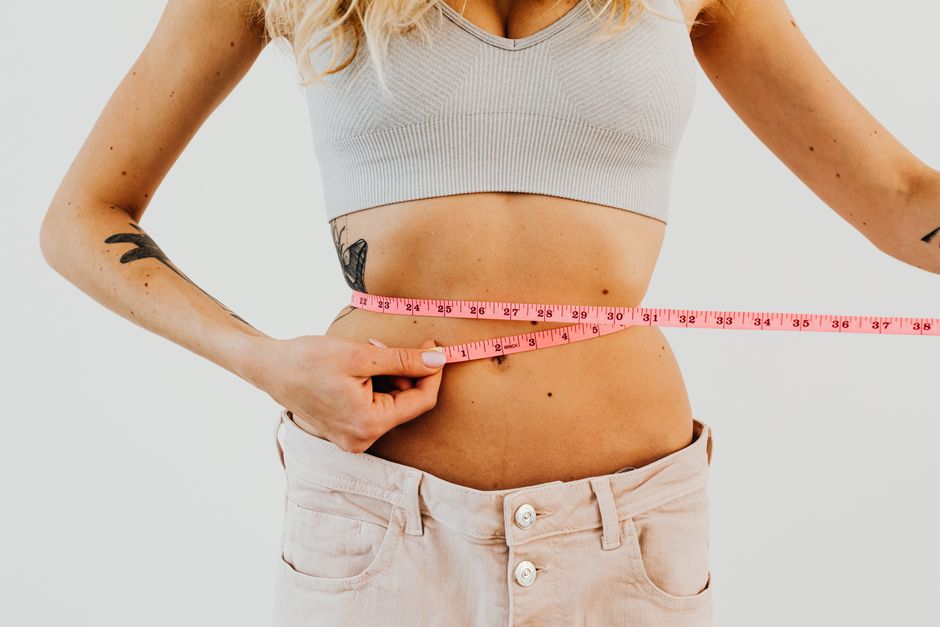
Yes, loose skin can tighten after weight loss, but the degree to which it does depends heavily on your age, the amount of weight lost, how long you carried the excess weight, and your skin’s genetics. For some people, the skin retracts noticeably over 6 to 12 months. For others who lose a very large amount of weight, the skin may not fully return to its previous state without medical intervention. Understanding exactly how skin behaves during and after weight loss helps set realistic expectations and guides you toward the strategies that actually work.
Why Does Loose Skin Happen After Weight Loss?
Your skin is the largest organ in your body, and it is remarkably elastic. It stretches to accommodate growth, pregnancy, and weight gain. This elasticity comes from two proteins: collagen and elastin. Collagen provides structure and firmness. Elastin allows the skin to snap back into place after being stretched.
When you gain weight, the skin stretches gradually. The collagen and elastin fibers lengthen. If the weight stays on for years, those fibers can sustain permanent damage. The skin also loses some of its ability to regenerate these proteins as you age. When you lose weight rapidly, the fat underneath the skin shrinks faster than the skin can contract. The result is excess skin that folds, sags, or hangs.
This is not a sign of failure. It is a normal physiological response to a significant change in body mass. The skin is simply catching up to the new shape of your body.
How Much Skin Will Tighten on Its Own?
The body does have a natural process for tightening loose skin. Over time, the skin undergoes remodeling. Cells called fibroblasts produce new collagen and elastin. The skin gradually contracts to fit the reduced volume beneath it. This process is slow and has limits.
Most of the visible tightening happens in the first 6 to 12 months after weight loss stabilizes. After that, the improvement slows significantly. If significant looseness remains after two years, it is unlikely to resolve on its own.
The amount of weight lost matters. Losing 20 to 30 pounds often results in minimal loose skin that tightens well over time. Losing 100 pounds or more frequently leaves substantial excess skin, especially in areas like the abdomen, arms, thighs, and chest. The longer you were overweight, the more likely the skin has lost its ability to fully retract.
What Factors Determine Skin Elasticity?
Several factors influence how well your skin bounces back after weight loss. Some are within your control. Others are not.
Age is one of the strongest predictors. Collagen production naturally declines as you get older. A 25-year-old who loses 80 pounds will typically see better skin retraction than a 55-year-old who loses the same amount. This is not a judgment — it is biology.
Genetics plays a significant role. Some people naturally have more elastic skin. You can see this in how your skin responds to pregnancy, minor weight fluctuations, or even sun exposure over the years.
Sun damage degrades collagen and elastin over time. Chronic sun exposure weakens the skin’s structural support, making it less able to tighten after weight loss.
Smoking has a similar effect. It reduces blood flow to the skin and impairs collagen production. If you smoke, quitting is one of the most effective things you can do for skin health.
Hydration and nutrition matter. Skin needs adequate protein, vitamin C, and water to produce collagen. A diet deficient in these nutrients slows the remodeling process.
-
 How to Tighten Loose Skin on Stomach After Weight Loss?
 -
How Can I Tighten My Skin After Weight Loss? What to Know
-
How to Tighten Skin After Weight Loss Naturally? A Simple Guide
-
How to Prevent Loose Skin After Weight Loss? Ways That Actually Help
-
Java Burn Reviews. Does Coffee Weight Loss Ritual Work?





Will Loose Skin Tighten After Weight Loss With Exercise?
Exercise cannot directly tighten loose skin. No amount of push-ups or crunches will make the skin itself contract. However, exercise can improve the appearance of loose skin by building muscle beneath it.
Muscle fills out the space under the skin. If you build muscle in your arms, shoulders, or core, the skin sits on a firmer base. This reduces the appearance of sagging. The effect is cosmetic but real. Many people find that resistance training is the most effective non-surgical strategy for improving how loose skin looks.
Strength training is more useful here than cardio. Focus on compound movements like squats, deadlifts, push-ups, and rows. These exercises build muscle across large areas of the body. Consistency matters more than intensity. Two to three sessions per week is a reasonable starting point.
Do Skin Tightening Creams and Devices Work?
The market for skin tightening products is large, and the evidence is thin. Most creams contain ingredients like collagen, elastin, or hyaluronic acid. These ingredients can moisturize the skin and improve its surface appearance temporarily. They do not penetrate deeply enough to rebuild structural collagen.
No topical cream has been proven to significantly tighten loose skin after major weight loss. Some studies suggest that retinoid creams may modestly improve skin firmness by stimulating collagen production at the cellular level. The effect is small and takes months of consistent use. It will not resolve significant skin laxity.
At-home devices using radiofrequency or ultrasound claim to tighten skin by heating the deeper layers. Some clinical studies show mild improvement in skin firmness with these devices. The results are subtle and typically require multiple sessions. They are not comparable to surgical outcomes.
Be cautious with marketing claims. If a product promises dramatic tightening without surgery, the evidence likely does not support it.
What Are the Surgical Options for Excess Skin?
For people with significant excess skin, surgery is the only method that reliably removes it. Procedures like tummy tucks, arm lifts, thigh lifts, and breast lifts remove the excess skin and tighten the remaining tissue. These are major surgeries with real risks, including infection, scarring, blood clots, and complications from anesthesia.
Surgery is typically considered only after weight has been stable for at least 6 to 12 months. This ensures the results are not compromised by further weight loss. It is also important to be at a weight close to your goal before considering surgery.
Many insurance plans do not cover skin removal surgery because it is considered cosmetic. However, some plans cover procedures when excess skin causes medical problems, such as chronic rashes, infections, or pain. If you are considering surgery, discuss the medical necessity with your doctor and your insurance provider.
Recovery from skin removal surgery is not quick. Most people need several weeks off work and several months before full healing. The scars are permanent, though they often fade over time. The decision to pursue surgery is deeply personal and should be made with realistic expectations.
How Long Does It Take for Skin to Tighten?
The timeline for skin tightening varies from person to person. In the first three months after weight loss, the skin begins to contract. Visible improvement is often noticeable by six months. The most significant tightening occurs within the first year. After 12 to 24 months, the skin has largely reached its final state.
This timeline assumes your weight remains stable. Yo-yo dieting — losing and regaining weight repeatedly — can further damage skin elasticity over time. Maintaining your weight loss gives your skin the best chance to remodel.
Gradual weight loss does not necessarily prevent loose skin. The skin’s ability to contract is more about total weight lost and the duration of the weight gain than the speed of the loss. Rapid weight loss can make loose skin more noticeable temporarily, but the final result is similar to gradual loss for the same total amount of weight.
Can Nutrition Help Skin Tighten Faster?
Good nutrition supports skin health, but it cannot reverse significant skin laxity. Eating enough protein provides the amino acids needed for collagen synthesis. Vitamin C is a cofactor for collagen production. Zinc and copper also play roles in skin repair.
Staying well hydrated keeps the skin plump and improves its appearance. Dehydrated skin looks more wrinkled and less elastic. Drinking water will not tighten loose skin, but it helps the skin look its best while it remodels.
Weight loss itself often leads to nutritional gaps. If you are eating in a calorie deficit, prioritize nutrient-dense foods. Lean proteins, vegetables, fruits, and whole grains support skin health better than processed foods.
When Should You Accept Loose Skin as Permanent?
Acceptance is not giving up. It is recognizing what your body has accomplished. Losing a significant amount of weight is a major achievement that reduces your risk of heart disease, diabetes, and joint problems. Loose skin is a visible reminder of that work, but it is not a health problem in itself.
If you have maintained your weight loss for two years and the loose skin remains, it is likely permanent without surgery. At that point, you have three options: pursue surgery if it is right for you, build muscle to fill out the skin, or accept the skin as part of your new body.
Many people find that loose skin bothers them less over time. The functional benefits of weight loss — more energy, less pain, better mobility — often outweigh the cosmetic concerns. Give yourself permission to feel proud of what you have achieved.
Frequently Asked Questions
Can loose skin tighten after losing 50 pounds?
Some tightening is likely, but the skin may not fully retract depending on your age, genetics, and how long you carried the weight. Most visible tightening happens within the first 12 months after weight loss stabilizes.
Does building muscle help loose skin?
Building muscle fills out the space beneath the skin, which reduces the appearance of sagging. It does not tighten the skin itself, but it improves how the skin looks.
How long does it take for loose skin to tighten after weight loss?
Most tightening occurs within the first 6 to 12 months after your weight stabilizes. If significant looseness remains after two years, it is unlikely to resolve on its own.
Do skin tightening creams work for loose skin after weight loss?
No topical cream has been proven to significantly tighten loose skin after major weight loss. Some creams temporarily improve skin appearance through moisturizing, but they do not rebuild structural collagen.
