
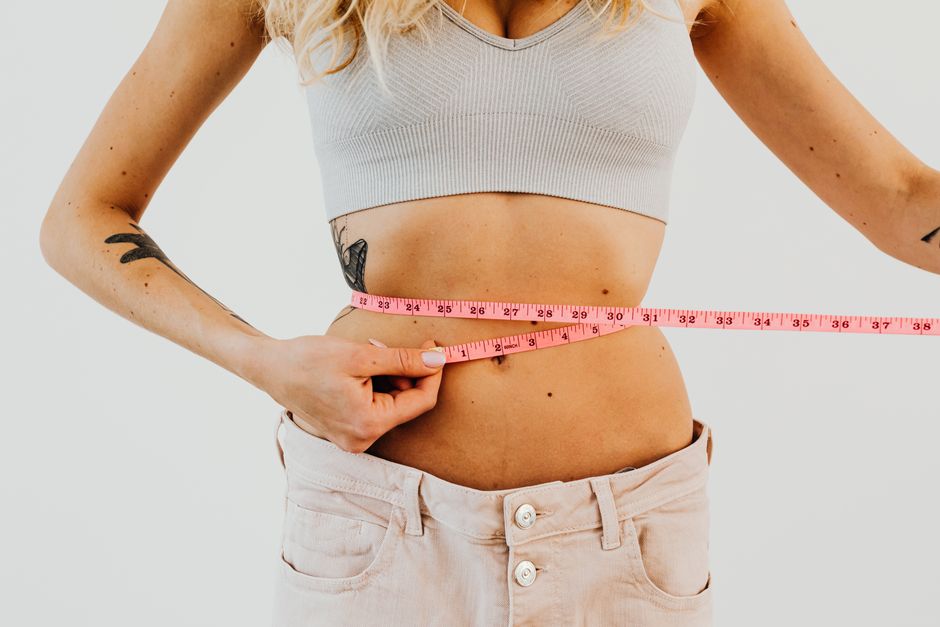
Loose skin on your stomach after weight loss is frustrating, but it is not something you just have to live with. The most effective way to tighten loose skin on your stomach after weight loss combines building muscle, giving your body enough time, and keeping your skin hydrated — and for some people, surgery is the only real fix. Here is what the evidence actually says about what works and what does not.
What Causes Loose Skin on the Stomach After Weight Loss?
Your skin is elastic. It stretches to accommodate extra weight. When you lose a significant amount of weight — 50 pounds or more — the skin does not always snap back. This is especially true for the stomach area.
The main factor is how long the skin was stretched. The longer your skin was stretched, the less elastic it becomes. Age also plays a big role. The American Academy of Dermatology notes that skin loses collagen and elastin as you age, which makes it harder to tighten naturally. Genetics matter too. Some people simply have more elastic skin than others.
How fast you lost the weight also affects loose skin. Rapid weight loss from crash diets or bariatric surgery gives your skin less time to adjust. A slower loss of 1-2 pounds per week is better for skin retraction, though it is not a guarantee.
Can Building Muscle Really Tighten Loose Skin on the Stomach?
Yes, but with an important clarification. Muscle does not tighten skin directly. What happens is that building the underlying abdominal muscles fills out some of the loose space. This reduces the appearance of looseness.
Research published in the Journal of Strength and Conditioning Research found that consistent resistance training increases muscle thickness in the abdominal wall. This creates a firmer foundation under the skin. The visual effect can be significant, especially for people with mild to moderate loose skin.
Core exercises alone will not do it. You need full-body strength training. Compound movements like squats, deadlifts, and overhead presses build overall muscle mass, which improves body composition everywhere — including the stomach. The CDC recommends at least two days of strength training per week for adults.
One non-obvious point: building back muscles improves posture. Better posture pulls your shoulders back and elongates your torso, which can make the stomach area appear tighter. This is a real visual effect, not just a trick.
Does Collagen or Any Supplement Help Tighten Loose Skin?
This is where the hype meets reality. Collagen supplements are widely marketed for skin tightening. The evidence is mixed.
Some studies suggest hydrolyzed collagen peptides may improve skin elasticity and hydration. A 2019 review in the Journal of Drugs in Dermatology found that collagen supplements showed modest improvements in skin elasticity in some studies. But these studies were small, and most were funded by supplement companies.
Here is what is clearer: your body needs specific nutrients to produce collagen naturally. Vitamin C is essential for collagen synthesis. Protein provides the amino acids your body uses to build skin tissue. A diet rich in lean protein, fruits, and vegetables supports skin health better than any single supplement.
Vitamin E creams and cocoa butter are widely claimed to help. Strong evidence is limited. Some people report improvement, but controlled studies do not show consistent results. The same goes for dry brushing — it may temporarily improve circulation but does not tighten loose skin in any lasting way.
-
 Will Loose Skin Tighten After Weight Loss? What to Know
 -
How to Tighten Skin After Weight Loss Naturally? A Simple Guide
-
How to Tighten Tummy Skin After Weight Loss? What Really Works Best
-
How Can I Tighten My Skin After Weight Loss? What to Know
-
Liv Pure Reviews 2026: Work for Weight Loss Or A New Scam?





What Are the Best Non-Surgical Treatments for Loose Stomach Skin?
Several procedures claim to tighten skin without surgery. Here is what the evidence supports.
| Treatment | How It Works | What Evidence Shows |
|---|---|---|
| Radiofrequency (RF) therapy | Heats deeper skin layers to stimulate collagen | Modest tightening, multiple sessions needed |
| Ultrasound therapy (Ultherapy) | Uses sound waves to tighten tissue | Some improvement, results vary widely |
| Microneedling with RF | Creates tiny injuries to trigger collagen | Shows promise for mild to moderate looseness |
| Laser resurfacing | Removes outer skin layers | Best for texture, limited for significant looseness |
None of these treatments are as effective as surgery for significant loose skin. The American Society of Plastic Surgeons states that non-surgical options can improve mild looseness but will not remove excess skin. If you can pinch more than an inch of loose skin, non-surgical treatments will likely disappoint you.
Cost is another factor. A single RF session can cost $300-$600. You typically need 4-6 sessions. That adds up to thousands of dollars with no guarantee of noticeable results.
When Is Surgery the Right Option for Loose Stomach Skin?
For people with significant loose skin after major weight loss, a tummy tuck (abdominoplasty) is the only proven way to remove excess skin. This is not a cosmetic luxury for many people — it is a medical solution to a physical problem.
Loose skin on the stomach can cause rashes, infections, and skin irritation. It can make exercise uncomfortable. Some people report back pain from the weight of hanging skin. These are real issues that surgery can resolve.
The decision to pursue surgery should not be rushed. Most plastic surgeons recommend waiting at least 12-18 months after reaching your goal weight. Your skin continues to tighten during this time. Surgery before your weight stabilizes may leave you with uneven results or need for revision.
Surgery carries risks. Scarring is permanent. Recovery takes 4-6 weeks. There is a risk of infection, blood clots, and poor wound healing. The cost in the US ranges from $6,000 to $15,000 depending on where you live and the complexity of the procedure.
Here is a reality check that many articles skip: insurance rarely covers tummy tucks unless you have documented medical problems from the loose skin. Most people pay out of pocket.
How Long Does It Take for Skin to Tighten Naturally?
This depends heavily on your age, genetics, and how much weight you lost. For most people, the skin tightening process happens over 12-24 months after weight loss stabilizes.
In the first six months, you will see the most change. Your skin shrinks as the underlying fat decreases. Collagen remodeling continues for up to two years. After that, whatever looseness remains is likely permanent without intervention.
Hydration matters more than most people realize. Well-hydrated skin is more elastic. Drinking enough water — about 8-10 cups per day for most adults — supports skin health. Moisturizing daily with a quality lotion or cream may help, though the effect on tightening is minimal.
Sun exposure makes loose skin worse. UV rays break down collagen and elastin. If you spend time outside, use sunscreen on your stomach. This will not reverse existing looseness, but it prevents it from getting worse.
Common Misconceptions About Tightening Loose Stomach Skin
There is a lot of bad advice online. Here are the claims that do not hold up to scrutiny.
- Ice baths or cold therapy — Some people claim cold exposure tightens skin temporarily. This is a short-term effect from blood vessel constriction. It does not change the skin structure.
- Fasting or intermittent fasting — There is no evidence that fasting triggers skin tightening. Severe calorie restriction can actually slow collagen production.
- Ab belts or electrical stimulators — These devices contract muscles but do not tighten skin. They are essentially expensive muscle twitchers with no lasting effect on skin.
- Body wraps or clay masks — Any tightening effect is temporary and caused by water loss. Once you hydrate, the skin returns to its normal state.
One more misconception worth addressing: that loose skin means you lost weight too fast. While rapid loss does increase the likelihood of loose skin, it is not the only factor. The amount of weight lost and your individual skin elasticity matter more than the speed of loss.
Frequently Asked Questions
Can loose skin on the stomach tighten after weight loss?
Yes, some tightening is possible through muscle building, good nutrition, and time. The degree depends on your age, genetics, and how much weight you lost.
How long does it take for stomach skin to tighten after weight loss?
Most tightening happens within 12-24 months after your weight stabilizes. The first six months show the most visible change.
Do creams and lotions tighten loose stomach skin?
No cream has strong evidence for tightening loose skin. Moisturizers improve skin hydration temporarily but do not remove excess skin.
Is a tummy tuck the only way to fix loose stomach skin?
For significant loose skin, a tummy tuck is the only proven permanent solution. Non-surgical treatments may help mild cases but cannot remove excess skin.
