
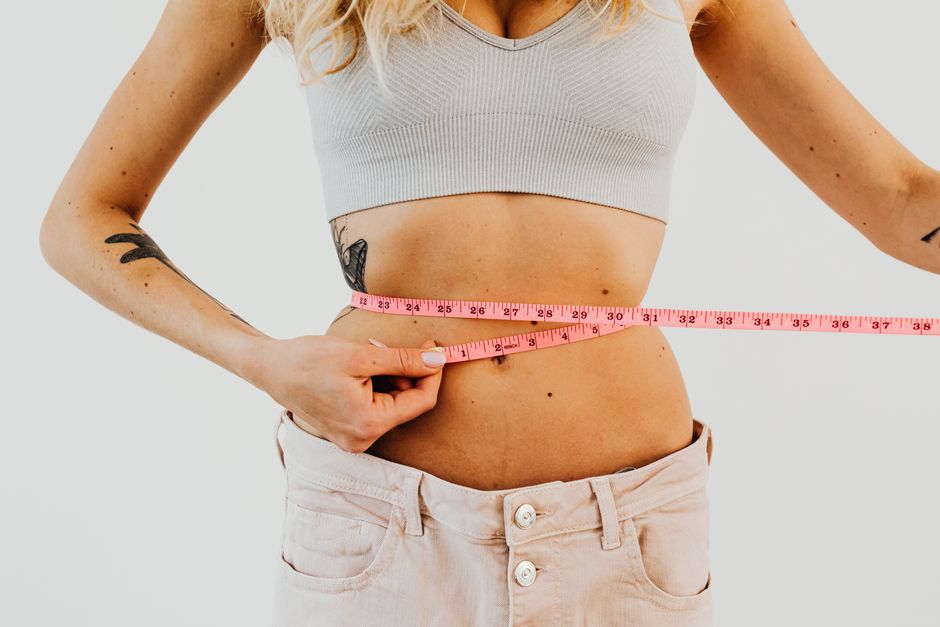
Yes, loose skin can tighten after weight loss, but the amount of tightening depends on several factors including your age, how much weight you lost, and how long you have kept the weight off. For most people, skin does not snap back completely on its own, especially after losing 50 pounds or more. But there are evidence-backed methods that can help improve skin firmness over time.
What Causes Loose Skin After Weight Loss?
Your skin is a living organ with a remarkable ability to stretch. When you gain weight, your skin expands to cover the larger body surface. The collagen and elastin fibers in your skin stretch to accommodate this growth.
When you lose weight, those fibers do not always shrink back to their original state. Think of it like a rubber band that has been stretched for years. Sometimes it snaps back. Other times it stays loose. The same thing happens with your skin.
Several factors determine how much your skin will tighten. Age is a major one. Younger skin has more collagen and elastin, which means it bounces back better. The size of your weight loss matters too. Losing 30 pounds is very different from losing 100 pounds. The larger the loss, the more skin you have to deal with. Genetics also play a role. Some people simply have more elastic skin than others.
Research published in the journal Obesity Surgery found that about 70% of people who lost significant weight reported excess skin. The abdomen, arms, and thighs were the most common problem areas.
Can Loose Skin Be Tightened After Weight Loss Without Surgery?
Yes, non-surgical methods can help tighten loose skin, but they have limits. No cream, lotion, or device will give you the same results as surgery for significant loose skin. But for mild to moderate looseness, several approaches have real evidence behind them.
Strength training is probably the most effective non-surgical option. When you build muscle underneath loose skin, that muscle fills out the space. This makes the skin appear tighter and firmer. It does not actually shrink the skin itself, but it creates a better visual result. Focus on compound exercises like squats, deadlifts, and pull-ups. These build muscle across large areas of the body.
Collagen supplements have become popular for skin tightening. The evidence is mixed. Some studies suggest collagen peptides can improve skin elasticity and hydration. A 2019 review in the Journal of Drugs in Dermatology found that oral collagen supplements improved skin firmness in some people. But the studies were small and many were funded by supplement companies. Taking collagen is unlikely to hurt you, but do not expect dramatic results.
Topical retinoids like tretinoin can stimulate collagen production in the skin. These are prescription creams typically used for acne and aging. Some dermatologists prescribe them for loose skin after weight loss. They work slowly and the results are modest. You need to use them consistently for months to see any change.
Radiofrequency and ultrasound treatments are offered by dermatologists and med spas. These devices heat the deeper layers of your skin to stimulate collagen production. A 2020 study in Lasers in Surgery and Medicine found that radiofrequency treatments improved skin tightening in the arms and abdomen. The results were modest and required multiple sessions. These treatments cost several hundred to several thousand dollars.
What Does Research Say About Exercise and Skin Tightening?
Exercise alone will not shrink loose skin. But it is the single most important thing you can do to improve how your body looks after weight loss. The research is clear on this point.
A 2017 study in the Journal of Strength and Conditioning Research looked at women who lost significant weight. Those who added resistance training to their routine reported higher satisfaction with their body appearance compared to those who only did cardio. The muscle gained from strength training filled out the loose skin areas.
Cardiovascular exercise helps maintain your weight loss. If you regain weight, your loose skin problem gets worse. So staying active is important for keeping the results you have worked for.
There is no specific exercise that targets loose skin. You cannot spot-reduce skin looseness. But building overall muscle mass will improve your appearance everywhere. Focus on getting stronger rather than burning calories. That is where the real benefit comes from.





What About Creams, Lotions, and Home Remedies?
The market is full of products claiming to tighten loose skin. Most of them do not work. The evidence for these products is weak at best.
Firming creams often contain ingredients like caffeine, retinol, or hyaluronic acid. Caffeine can temporarily dehydrate skin cells, which makes the skin look tighter for a few hours. This is a cosmetic effect, not a permanent change. Retinol can stimulate some collagen production over months of use. But the concentration in over-the-counter creams is usually too low to make a real difference for loose skin after weight loss.
Cocoa butter and coconut oil are widely claimed to tighten skin. There is no clinical evidence that either of these ingredients can tighten loose skin. They are excellent moisturizers. Moisturized skin looks healthier and feels smoother. But they do not change the structure of your skin.
Dry brushing is another popular home remedy. The idea is that brushing your skin stimulates blood flow and promotes collagen production. There is no scientific evidence to support this claim. Dry brushing can exfoliate dead skin cells, which makes your skin look temporarily smoother. It will not tighten loose skin.
Here is a simple comparison of common non-surgical options:
| Method | Evidence Level | Realistic Result | Cost |
|---|---|---|---|
| Strength training | Strong | Moderate improvement | Free to gym membership |
| Collagen supplements | Weak to moderate | Mild improvement | $20-50 per month |
| Topical retinoids | Moderate | Mild improvement | $30-100 per month (prescription) |
| Radiofrequency treatments | Moderate | Mild to moderate improvement | $500-3000 per session |
| Firming creams | Weak | Minimal to none | $15-60 per bottle |
| Dry brushing | None | No tightening effect | $5-15 for brush |
When Is Surgery the Only Real Option?
For people with significant loose skin, surgery is the only method that produces dramatic results. This is not an exaggeration. It is what the evidence shows.
Surgical procedures like tummy tucks, arm lifts, and thigh lifts remove excess skin and tighten the remaining tissue. These are major surgeries with real risks. They require weeks of recovery and leave permanent scars. But for many people, the results are life-changing.
The American Society of Plastic Surgeons reports that body contouring surgeries after massive weight loss have increased significantly over the past decade. Most insurance plans do not cover these procedures unless the excess skin causes medical problems like rashes, infections, or chronic pain.
Surgeons generally recommend waiting at least 12 to 18 months after reaching your goal weight before considering surgery. This gives your skin time to tighten as much as it naturally will. Some people find that after maintaining their weight for a year, their skin tightens enough that they no longer want surgery.
Surgery is not a shortcut. It is a serious medical procedure that should only be considered after non-surgical options have been tried and found insufficient. Talk to a board-certified plastic surgeon if you are considering this path. Ask about the specific risks for your body type and health history.
How Long Does It Take for Skin to Tighten After Weight Loss?
Skin tightening is a slow process. Do not expect to see changes in a few weeks. The timeline depends on several factors, but there is a general pattern.
Most of the natural tightening happens in the first 6 to 12 months after weight loss. During this time, your skin is adapting to your new body size. Collagen and elastin fibers are remodeling. The skin is shrinking as much as it can on its own.
After 12 months, the changes slow down significantly. What you see at the one-year mark is likely close to your final result. Some people continue to see minor improvements for up to two years, but these are usually small.
Age plays a big role in this timeline. A 25-year-old who loses 50 pounds will see more tightening than a 55-year-old who loses the same amount. This is because younger skin has more collagen and better elasticity. If you are over 40, be realistic about what natural tightening can achieve.
Nutrition also matters during this period. Your skin needs protein to build collagen. Make sure you are eating enough high-quality protein. Vitamin C is also important for collagen production. Good sources include citrus fruits, bell peppers, and broccoli. Staying hydrated helps your skin stay healthy, though it will not directly tighten loose skin.
Frequently Asked Questions
Can loose skin be tightened after weight loss with exercise only?
Exercise builds muscle that fills out loose skin, which improves appearance, but it does not shrink the skin itself. For significant loose skin, exercise alone is usually not enough.
How much weight loss causes loose skin?
Loose skin becomes more common after losing 50 pounds or more, but some people notice it after losing 20 to 30 pounds depending on their age and genetics.
Do collagen supplements really tighten loose skin?
Some studies show modest improvements in skin elasticity with collagen supplements, but the effect is mild and not guaranteed for everyone.
When should I consider surgery for loose skin?
Surgery is worth considering if you have maintained your weight for at least 12 months and the excess skin causes discomfort, skin problems, or significant self-consciousness.
