
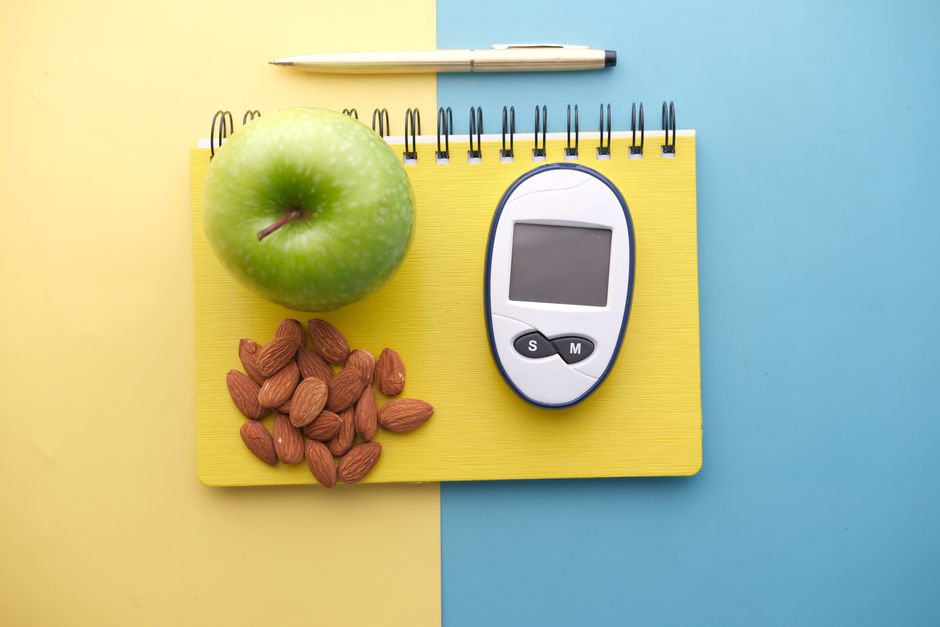
Your blood sugar rises after every meal. That is normal, and it is not a sign of disease. When you eat carbohydrates, your digestive system breaks them down into glucose, which enters your bloodstream. Your pancreas then releases insulin, a hormone that signals cells to take in that glucose and use it for energy or store it for later.
The problems start when this system works poorly — when glucose stays high too long, or when the body stops responding to insulin properly. What follows is a clear look at what happens in your body when blood sugar rises, what normal looks like, and when a rise becomes something worth checking.
What Happens When Your Blood Sugar Rises After a Meal?
The rise begins within minutes of eating. Starches and sugars are broken down in the gut and absorbed into the blood as glucose. Blood glucose typically peaks somewhere between one and two hours after a meal, then settles back toward baseline over the next few hours.
In response, beta cells in the pancreas release insulin. Insulin acts like a key. It binds to receptors on muscle, fat, and liver cells and lets glucose move from the blood into those cells. Muscle and liver store some of it as glycogen. Fat tissue can convert excess glucose into fat for longer-term storage.
At the same time, the liver stops making its own glucose. Normally the liver releases a steady trickle of glucose between meals to keep your brain supplied. When insulin rises after eating, that trickle shuts off. The whole system is a feedback loop — glucose goes up, insulin goes up, glucose comes down, insulin falls.
This is why a rise after eating is not the enemy. A rise that does not come back down, or that comes with symptoms, is the thing to pay attention to.
What Is a Normal Blood Sugar Level?
For adults without diabetes, fasting blood glucose generally falls between 70 and 99 mg/dL. Two hours after a meal, it is typically below 140 mg/dL. These figures come from widely used diagnostic standards, including those from the American Diabetes Association.
Prediabetes is generally defined as a fasting glucose of 100 to 125 mg/dL, or a two-hour post-meal value of 140 to 199 mg/dL. Diabetes is generally diagnosed at a fasting glucose of 126 mg/dL or higher, or a two-hour value of 200 mg/dL or higher, confirmed on a separate occasion. An A1C of 6.5% or higher is also used for diagnosis.
One clarification that surprises many people: a single high reading does not diagnose diabetes. Diagnosis requires confirmation, usually a repeat test on a different day, unless symptoms are clear and the reading is very high.
What Does Insulin Resistance Do to Blood Sugar?
Insulin resistance means your cells respond weakly to insulin’s signal. The pancreas compensates by making more insulin. For a while, that keeps blood sugar in the normal range — but at the cost of higher and higher insulin levels.
Over time, beta cells can struggle to keep up. When insulin output can no longer overcome the resistance, glucose starts to climb. This is the path from insulin resistance to prediabetes to type 2 diabetes. It often unfolds slowly, over years.
Insulin resistance is strongly associated with excess weight around the abdomen, physical inactivity, and genetics. It is also linked to conditions including high blood pressure and abnormal cholesterol — which is why clinicians often look at these together rather than in isolation.
Here is a point worth sitting with: someone can have insulin resistance for years with completely normal blood sugar readings. Standard glucose tests can miss it. That is one reason fasting insulin and other measures are sometimes used in research and clinical settings, though they are not routine screening tools for everyone.



What Are the Symptoms of High Blood Sugar?
Mild or moderate rises often cause no symptoms at all. That is the uncomfortable truth about early blood sugar problems — you cannot feel them. This is why screening matters for people with risk factors.
When blood glucose is clearly elevated, common symptoms include:
- Increased thirst
- Frequent urination, especially at night
- Fatigue
- Blurred vision
- Unexplained weight loss
- Slow-healing cuts or bruises
- Tingling or numbness in hands or feet
These symptoms are not specific to high blood sugar. Fatigue and thirst have many causes. Symptoms alone cannot confirm anything — a blood test can.
Very high blood sugar is a medical emergency. Extreme thirst, confusion, rapid breathing, fruity-smelling breath, or vomiting in someone with diabetes warrants urgent medical attention. These are signs of serious conditions that need immediate care, not home monitoring.
What Happens When Blood Sugar Stays High Over Time?
Persistent high glucose damages blood vessels and nerves. The damage is gradual and often silent for years.
Over time, sustained high blood sugar is associated with damage to small blood vessels in the eyes, kidneys, and nerves, and to larger vessels that supply the heart and brain. This is why diabetes is linked to vision loss, kidney disease, nerve damage, heart attack, and stroke. The relationship is well established.
It is also important to be honest about timelines. Damage usually develops over years of elevated glucose, not weeks. Someone with a single high reading after a meal has not caused harm. The concern is sustained elevation over time.
Good glucose control reduces the risk of these complications. That is one of the better-supported findings in diabetes care, backed by large long-term trials.
What Makes Blood Sugar Rise Beyond Food?
Food is the biggest driver, but not the only one. Stress raises cortisol and adrenaline, both of which push glucose up. Illness and infection do the same — the body ramps up glucose production to fuel the immune response. This is why blood sugar can spike during a cold or flu even when eating normally.
Some medications raise blood sugar as a side effect, including certain steroids and some blood pressure drugs. If you notice changes after starting a medication, that is a conversation for your clinician, not a reason to stop it on your own.
Sleep matters more than most people expect. Short or poor sleep is associated with higher insulin resistance the next day. Physical activity, by contrast, generally lowers blood sugar — muscle takes up glucose during and after exercise, sometimes for hours.
Hormones also play a role. Blood sugar patterns can shift across the menstrual cycle, and pregnancy increases insulin resistance as part of normal physiology. That is why gestational diabetes screening exists — it is a routine part of prenatal care, not a sign something has gone wrong.
How Is High Blood Sugar Tested and Managed?
Testing is straightforward. A fasting glucose test, an A1C test, or an oral glucose tolerance test can each give a picture. An A1C reflects average glucose over roughly the past two to three months, which makes it useful for spotting patterns a single reading might miss.
Management, when needed, generally centers on a few well-established areas. Diet and physical activity are the foundation. Weight loss, when relevant, improves insulin sensitivity in many people. Some people need medication, and that is a clinical decision based on individual factors.
No single diet is proven best for everyone. What the evidence does support is reducing refined carbohydrates, eating more fiber and vegetables, and staying physically active. No supplement has been shown in large human trials to reliably lower blood sugar in place of established treatment.
If you have risk factors — a family history of type 2 diabetes, excess weight around the middle, a history of gestational diabetes, or you are over 35 — a conversation with your clinician about screening is reasonable. The earlier insulin resistance is identified, the more room there is to act.
Frequently Asked Questions
How long after eating does blood sugar peak?
Blood glucose usually peaks about one to two hours after a meal, then declines over the next few hours. The exact timing varies with what and how much you ate.
Is a blood sugar of 150 after eating normal?
A two-hour post-meal reading of 150 mg/dL is above the typical normal range of under 140 mg/dL, which can fall into the prediabetes range. A single reading does not diagnose anything, so a repeat test with your clinician is the right next step.
Can stress raise blood sugar without eating?
Yes. Stress hormones like cortisol and adrenaline raise blood glucose even when you have not eaten. Illness and poor sleep can have a similar effect.
Does high blood sugar always cause symptoms?
No. Mild or moderate elevations often cause no symptoms at all, which is why blood testing matters for people with risk factors.
