
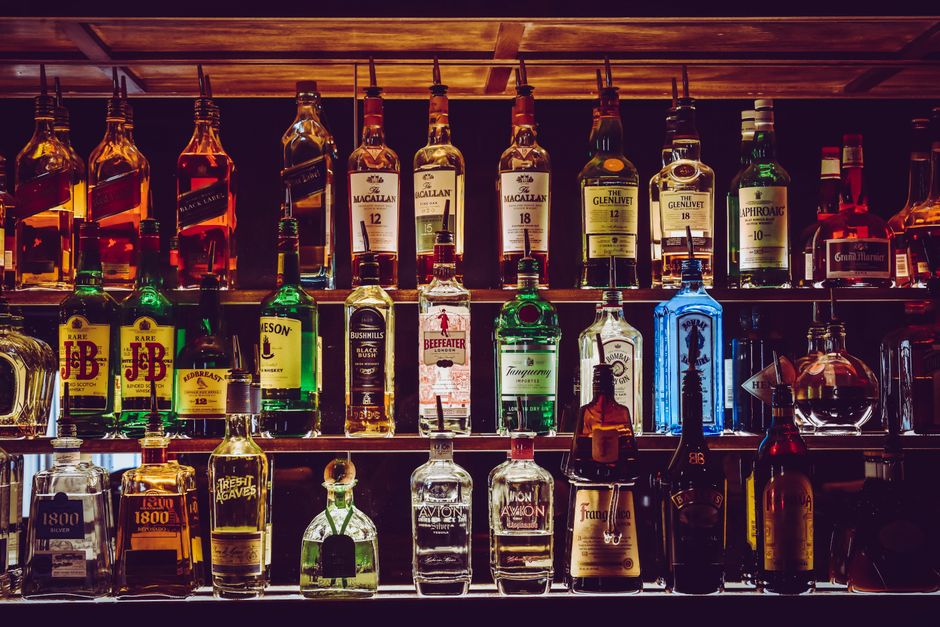
Alcohol delivers calories, and hard liquor delivers them in concentrated form. A standard 1.5-ounce shot of 80-proof spirits contains roughly 97 calories. That number is real. Whether those calories make you gain fat depends on how much you drink, how often, and what happens to your eating and sleeping habits when you do.
Does Hard Liquor Make You Fat The Real Answer?
Hard liquor can contribute to weight gain, but it does not automatically cause fat gain on its own. The calories in liquor are real and add up quickly. What matters more is the total picture: how many drinks you have, what you eat alongside them, and how alcohol affects your metabolism, sleep, and appetite.
A single shot of 80-proof vodka, whiskey, gin, or rum contains about 97 calories. That comes almost entirely from ethanol. There is no fat, no protein, no carbohydrate, and no vitamins or minerals. The calories are real, but they carry no nutritional value.
The problem is not one drink. It is the pattern. Two or three drinks several nights a week adds up. And liquor rarely gets consumed in isolation. It comes with mixers, late-night food, and next-day grogginess that changes how you eat and move.
How Many Calories Are in Hard Liquor?
The calorie content of distilled spirits depends almost entirely on proof. Higher proof means more ethanol, which means more calories per ounce.
Here is how common spirits compare:
- 80-proof spirits (40% alcohol): about 97 calories per 1.5-ounce shot
- 90-proof spirits (45% alcohol): about 110 calories per 1.5-ounce shot
- 100-proof spirits (50% alcohol): about 124 calories per 1.5-ounce shot
- Beer (12 ounces, regular): roughly 150 calories
- Red wine (5 ounces): roughly 125 calories
Per ounce, hard liquor is more calorie-dense than beer or wine because it contains more ethanol by volume. But the standard serving is smaller, so a single shot and a single beer land in a similar range.
What changes everything is what you mix it with. A shot of vodka is about 97 calories. Add 8 ounces of regular cola and you are closer to 200. Add cream liqueur or sugary cocktail mixers and the number climbs higher still. Some mixed drinks at restaurants contain more calories than a full meal.
Spirits themselves contain no carbohydrates. This matters for people watching blood sugar, but it does not mean liquor is calorie-free. Ethanol is its own category of calorie source, and the body treats it differently from food.
Does Alcohol Turn Into Fat?
Alcohol does not convert directly into body fat in any meaningful way. The body breaks ethanol down primarily in the liver through a two-step process. First, an enzyme called alcohol dehydrogenase converts ethanol into acetaldehyde. Then another enzyme, aldehyde dehydrogenase, converts that into acetate. Acetate is released into the bloodstream and used for energy by tissues throughout the body.
So where does the fat come from? The answer is more indirect, and more interesting.
When you drink, your body prioritizes metabolizing alcohol over everything else. Fat oxidation — the process by which your body burns stored fat for fuel — gets suppressed. This is well established in metabolic research. While your liver is busy processing ethanol, the fat you eat around the same time is more likely to be stored rather than burned.
Alcohol also affects how the body handles fat in the liver itself. Heavy drinking over time can lead to fat accumulation in liver cells, a condition called alcoholic fatty liver disease. This is different from general body fat gain, but it reflects the same principle: when alcohol is in the picture, fat metabolism changes.
There is one more piece. Acetate from alcohol can be used as fuel, which means the calories from food you eat alongside drinking may be less likely to be burned and more likely to be stored. The net effect is that alcohol calories do not simply replace food calories one-for-one. They change the metabolic environment.





Why Does Drinking Lead to Weight Gain Even When Calories Seem Low?
The calorie count in a shot is modest. The behavioral effects of drinking are not. Several things happen when people drink that push weight upward, and they have little to do with the shot itself.
Appetite increases. Alcohol affects the brain in ways that can stimulate hunger. Research on alcohol and eating behavior suggests that drinking before or during a meal tends to increase how much people eat, not decrease it. The body does not appear to compensate for liquid calories the way it does for solid food. You do not feel as full from a drink as you would from an equal number of calories from food.
Food choices shift. Late-night eating after drinking tends to involve high-fat, high-calorie foods. This is not a moral failing. It is a predictable effect of alcohol on impulse control and reward-seeking behavior. The combination of lowered inhibition and increased hunger is a strong driver of overeating.
Sleep quality drops. Alcohol can help people fall asleep faster, but it disrupts sleep architecture, particularly REM sleep and the deeper stages of sleep. Poor sleep is associated with changes in appetite-regulating hormones, including increased ghrelin and decreased leptin. Over time, this can increase hunger and food intake the following day.
Next-day activity declines. A night of drinking often leads to a sluggish next day. Workouts get skipped. Movement drops. The calorie deficit that might have offset the drinks never happens.
Drinking becomes a routine. A nightly glass of whiskey or a regular happy hour adds up. At 97 calories per shot, five drinks a week is about 485 calories. Over a year, that is roughly 25,000 calories. Whether that translates to fat gain depends on whether those calories push you into a surplus, but the math is straightforward.
Is It the Alcohol or the Mixers and Food?
Both matter, but they matter differently. The alcohol itself contributes calories and changes metabolism. The mixers and food contribute more calories and often more fat and sugar.
Consider a typical evening:
- Two vodka sodas: about 194 calories from alcohol, plus negligible calories from soda water
- Two vodka cranberries: about 194 calories from alcohol, plus roughly 50–60 calories from juice per drink
- Two whiskey colas: about 194 calories from alcohol, plus roughly 90–100 calories from cola per drink
Then add the food. A slice of pizza is around 300 calories. A handful of bar nuts is 200 or more. A late-night burger and fries can exceed 800. The drinks opened the door. The food walked through it.
This does not mean mixers are the whole story. Even straight liquor, consumed regularly, adds calories that the body does not register as filling. Liquid calories are poorly regulated by appetite. You can drink 400 calories and still eat a full meal without feeling overly full.
Does Moderate Drinking Cause Weight Gain?
The evidence here is mixed, and it depends heavily on how you define moderate and what else is going on in a person’s life.
Some observational studies have found that light to moderate drinking is not strongly associated with weight gain, and a few have even suggested a modest association with lower body weight in some populations. Other studies point the other way, particularly when drinking patterns are frequent or when alcohol replaces healthier behaviors.
The problem with observational research on alcohol and weight is that drinkers and non-drinkers differ in many ways that are hard to control for. People who drink moderately may also smoke less, exercise more, or have different socioeconomic profiles. These factors can muddy the picture.
What is clearer is that heavy drinking is associated with weight gain and with central obesity — fat accumulation around the abdomen. This pattern is sometimes called the “beer belly,” but it is not specific to beer. Hard liquor contributes to it as well when consumed heavily and regularly.
For moderate drinkers, the honest answer is that alcohol is unlikely to cause significant fat gain on its own if total calories are controlled and drinking is not accompanied by overeating. But “moderate” is doing a lot of work in that sentence. Many people who consider themselves moderate drinkers are drinking more than they realize, and the calories add up quietly.
What Should You Know About Alcohol and Belly Fat?
Alcohol consumption, particularly heavy consumption, is associated with increased visceral fat — the fat stored around the organs in the abdominal cavity. Visceral fat is more metabolically active than subcutaneous fat and is linked to higher risk of cardiovascular disease, type 2 diabetes, and metabolic syndrome.
The relationship between alcohol and visceral fat is not fully understood, but several mechanisms are plausible. Alcohol affects cortisol levels, which can promote abdominal fat storage. It also disrupts sleep, which is independently associated with visceral fat accumulation. And it adds calories that are easily overconsumed.
This does not mean every drink goes straight to your belly. It means that regular, heavy drinking is a risk factor for abdominal fat gain, and the effect appears stronger in some people than others. Genetics, overall diet, physical activity, and stress all play a role.
Can You Drink and Still Manage Your Weight?
Yes, but it requires awareness. The calories in liquor are real, and they do not disappear because they come in liquid form. If you drink, the following principles apply:
- Count the calories. A shot of 80-proof spirits is about 97 calories. Two drinks is nearly 200. Four is nearly 400. That is a meal’s worth of calories before you have eaten anything.
- Choose simple mixers. Soda water, diet soda, or fresh lime juice add few or no calories. Sugary mixers and cream liqueurs add significant calories on top of the alcohol.
- Eat before you drink. Drinking on an empty stomach tends to increase how much you eat later. A meal with protein and fiber before drinking can help blunt the appetite effect.
- Watch the late-night eating. This is where many people undo any calorie control they had earlier in the evening.
- Do not drink every day. Frequency matters as much as quantity. A few drinks on the weekend is a different pattern than one or two drinks every night.
None of this is a prescription. It is a description of how alcohol calories behave. Whether and how much you drink is a personal decision that involves many factors beyond weight, including health risks that have nothing to do with body fat.
Does Hard Liquor Make You Fat More Than Beer or Wine?
Per standard serving, the calorie difference between hard liquor, beer, and wine is not dramatic. A shot of 80-proof spirits is about 97 calories. A 12-ounce regular beer is roughly 150. A 5-ounce glass of red wine is roughly 125. The liquor is lower in calories per serving, but people tend to drink it differently.
Hard liquor is often consumed in cocktails, which add calories. It is also often consumed faster, which can lead to more drinks in a shorter period. Beer and wine tend to be sipped more slowly, though this is not universal.
The type of alcohol matters less than the pattern of drinking and the total calories consumed. A person who has one glass of wine with dinner is in a different category than someone who has four cocktails on a Friday night, even if the wine has more calories per ounce.
One clarification worth making: the “beer belly” is not caused by beer specifically. It is caused by excess calories, alcohol-related metabolic changes, and genetics. Hard liquor can contribute to the same pattern.
Frequently Asked Questions
Does hard liquor turn into fat in your body?
No, alcohol does not convert directly into body fat in any significant way. It is metabolized into acetate, which the body uses for fuel, but it suppresses fat burning and can lead to fat storage from food eaten at the same time.
How many calories are in a shot of whiskey or vodka?
A 1.5-ounce shot of 80-proof whiskey or vodka contains about 97 calories. Higher-proof spirits contain more calories per shot because they contain more ethanol.
Will I gain weight if I drink hard liquor every day?
Daily drinking adds calories that can contribute to weight gain over time, especially if it leads to overeating or poor sleep. Whether it causes fat gain depends on your total calorie intake and overall lifestyle.
Is hard liquor worse for weight gain than beer?
Per serving, hard liquor has fewer calories than regular beer, but it is often mixed with sugary drinks and consumed faster. The pattern of drinking matters more than the type of alcohol.
